Support Alaska's Wildlife!

Follow Alaska Wildlife Alliance on Twitter   Find Alaska Wildlife Alliance on Facebook

Tony Knowles' Statement to Alaska Board of Game on Bear Snaring

January 13, 2012

As a rookie governor I turned to Jay Hammond to ask his advice on how to use my time to be the most effective. His short reply was “you can plan whatever you want but 75% of your time will be on fish and game matters. ”  From negotiating the first successful Pacific Salmon treaty with Canada in a generation, to three special sessions with the legislature on trying to resolve subsistence with the federal government, to the North Pacific Fisheries Management Council, and a multitude of other fish and game issue across the state, the plate was always full. I think Jay may have understated the percent of time involved.

It was all time well spent as Alaska has one of the world’s most abundant and diverse arctic wildlife species in our oceans, rivers and on land. They represent a resource that enriches our lives immeasurably. It is a source of our economic prosperity, our culture, our identification with the place that we love, and food on our dinner table. And our Constitution requires us to carefully manage our harvest and care of these resources so that they may be always sustainable for future generations.

Of course Alaskans are passionate about their opinions on how these resources should be handled and there are as many strong opinions as there are people. However I believe most Alaskans agree on three overarching principles.

  1. The resource, owned by all the people of Alaska, always comes first.
  2. Policies should be based on the best science available and ethical practices.
  3. Policies should have broad public support.

Bear snaring, never before legal in the State of Alaska, is now being used by the State as a predator-control method to kill Black and Grizzly bears in some areas and it appears the BOG is considering proposals to open up parts of Alaska to routine bear snaring by trappers. Bear snaring is a killing technique that indiscriminately takes both Black and Grizzly bears, sows, sows with cubs, and older cubs. It violates all of the three overarching principles I listed above.

An unprecedented number of Alaskan scientist and professional wildlife managers representing approximately 1,600 years of Alaskan wildlife management experience, made the following statement about this practice and proposed policy. “Snaring and killing of bears regardless of age, species, and gender is incompatible with the scientific principles and ethics of modern wildlife management…’’

I agree with that statement and I believe that the vast majority of Alaskans will also reject the indiscriminate killing of Black and Grizzly bears by this unscientific and unethical policy.

It is my request that the Board of Game abolish this policy and thus take a first step to return the wildlife management policies of Alaska to a national model of science, ethics, and sustainability.


Should state approve wolf-control measures on Alaska's Kenai Peninsula?

Rick Sinnott | Nov 17, 2011 | Alaska Dispatch

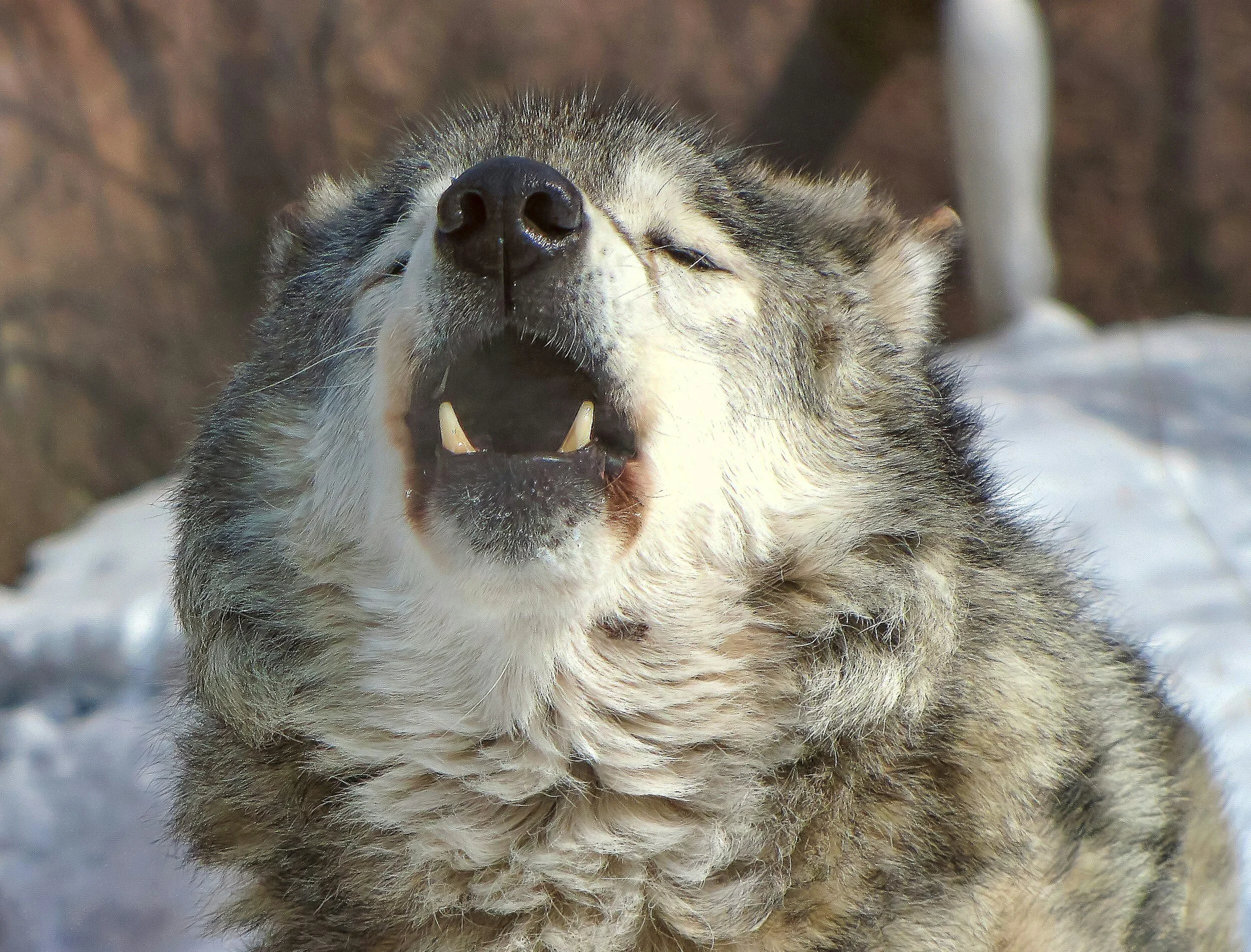
Near the end of the movie "Season of the Witch," a small band of medieval adventurers is surrounded by howling wolves. The monk says, "Wolves." Another character asks, "What'll we do?" Nicolas Cage, playing a knight in tarnished armor, says, "Kill as many as you can."

Welcome to wildlife management as it is currently practiced in Alaska. Not so different from the way it was practiced in the Middle Ages.

I am not opposed to reducing numbers of wolves to increase numbers of prey animals -- wolf control -- so long as wolves constitute a serious problem and the program is scientifically justified, temporary and cost effective. Wolf control for the sake of killing wolves is none of the above.

This week, in Barrow, the northernmost city in the United States, the Alaska Board of Game was scheduled to consider wolf control proposals for two game management units on the Kenai Peninsula: 15A and 15C.

Why was the board considering wolf control plans for the Kenai Peninsula at a meeting in Barrow?

When the board adopts a predator control plan, it takes 60 days before a program can be implemented. Ted Spraker, a board member from the Kenai Peninsula, was bound and determined to start shooting Kenai wolves this winter. But the board tabled both proposals until their Anchorage meeting, scheduled Jan. 13-18, 2012.

Board members, including Spraker, found serious flaws in the Alaska Department of Fish and Game’s documentation and expressed concern that a required feasibility plan wasn’t completed before the meeting.

Now most Alaskans wouldn't get a chance until next year to examine the reasons why the department believes wolf control is justified on the Kenai Peninsula. The reasons are not persuasive.

Read more ...


ACTION ALERT: Stop Alaskan Bears From Being Decimated

This is Bear Awareness Week, a time not only to increase our knowledge of our wild neighbors, but also to consider what will be happening to them in the near future. Perhaps a more fitting name would be "Bear Awareness Before They Are Trapped Out Week," given the drastic and unprecedented lethal plans the Alaska Deptartment of Fish and Game has for Alaska's bears.

Tell Governor Parnell and ADF&G Commissioner Campbell you oppose this inhumane practice!

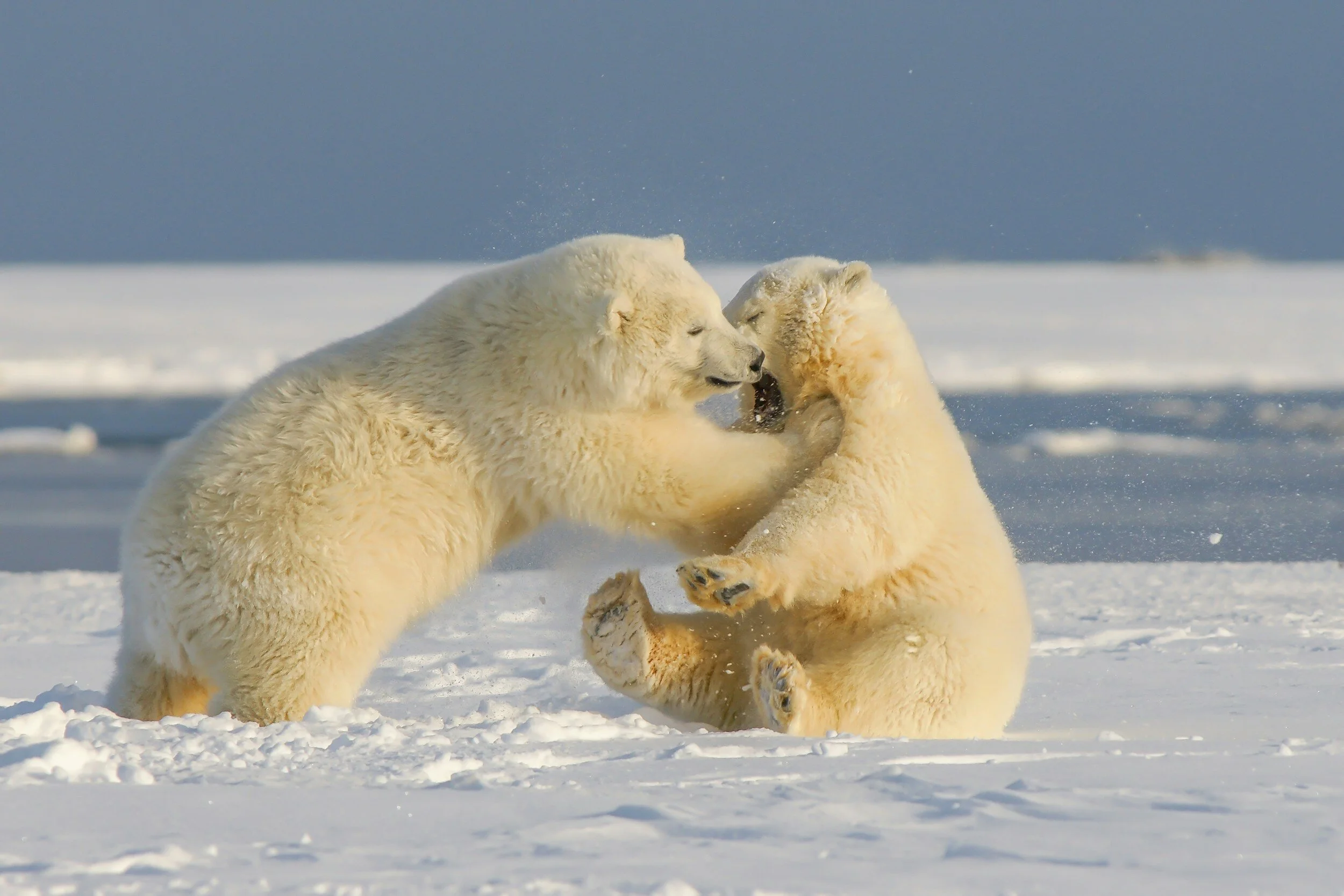
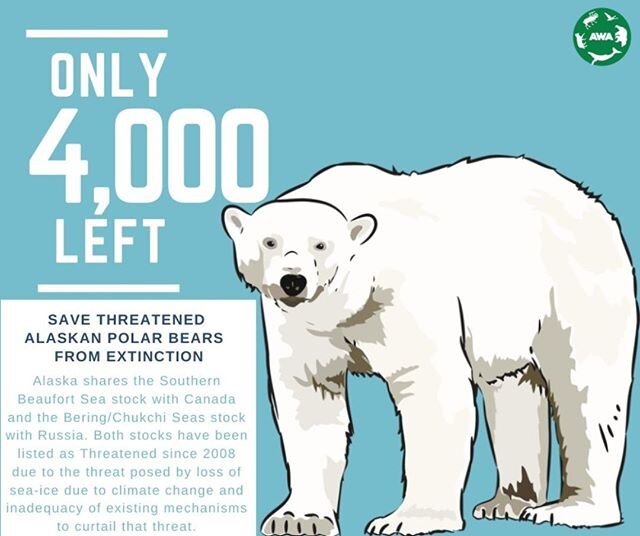
Earth Day discussion: The plight of polar bears and the phenomenon of global warming denial

By Richard Radford | April 27, 2011 | Capital City Weekly

JUNEAU - For the past four decades, Earth Day has been a time for some to reexamine the paths to a "greener" future, and others to feel a pang of guilt for tossing all those AA batteries and mercury-laced "energy saving" light bulbs into the trash. For experts in the field of climate change, eyes turn north, to the future, where the effects of global warming are the most evident.

The Alaska Wildlife Alliance held a talk at the University of Alaska Southeast (UAS) on Earth Day last Friday, entitled "Climate Change, the Plight of Polar Bears, and the Phenomenon of Global Warming Denial." University of Alaska Fairbanks Professor of Wildlife Biology Dr. David Klein discussed the current situation of polar bear populations, and Whitman College Professor Dr. Kari Norgaard talked about the modern trend of global warming denial across the globe.

Read More ...


You Can Help Protect Alaska's Wildlife

The Alaska Wildlife Alliance promotes the integrity, beauty, and stability of Alaska's ecosystems, supports true subsistence hunting, recognizes the intrinsic value of wildlife, and works to achieve and maintain balanced ecosystems in Alaska managed with the use of sound science. The AWA depends on the grassroots support and activism of its members.

Sign up to get the latest news and action alerts about Alaska's wildlife. You'll also receive invitations to special events and happenings.

Attention Alaska Wildlife Lovers, Watchers and Photographers

Have you any digital or digitized photos of Alaskan wildlife you want to share with the rest of the world? If so, here's your chance to do so as the Alaska Wildlife Alliance is creating an online photo gallery soon and we want your best efforts!

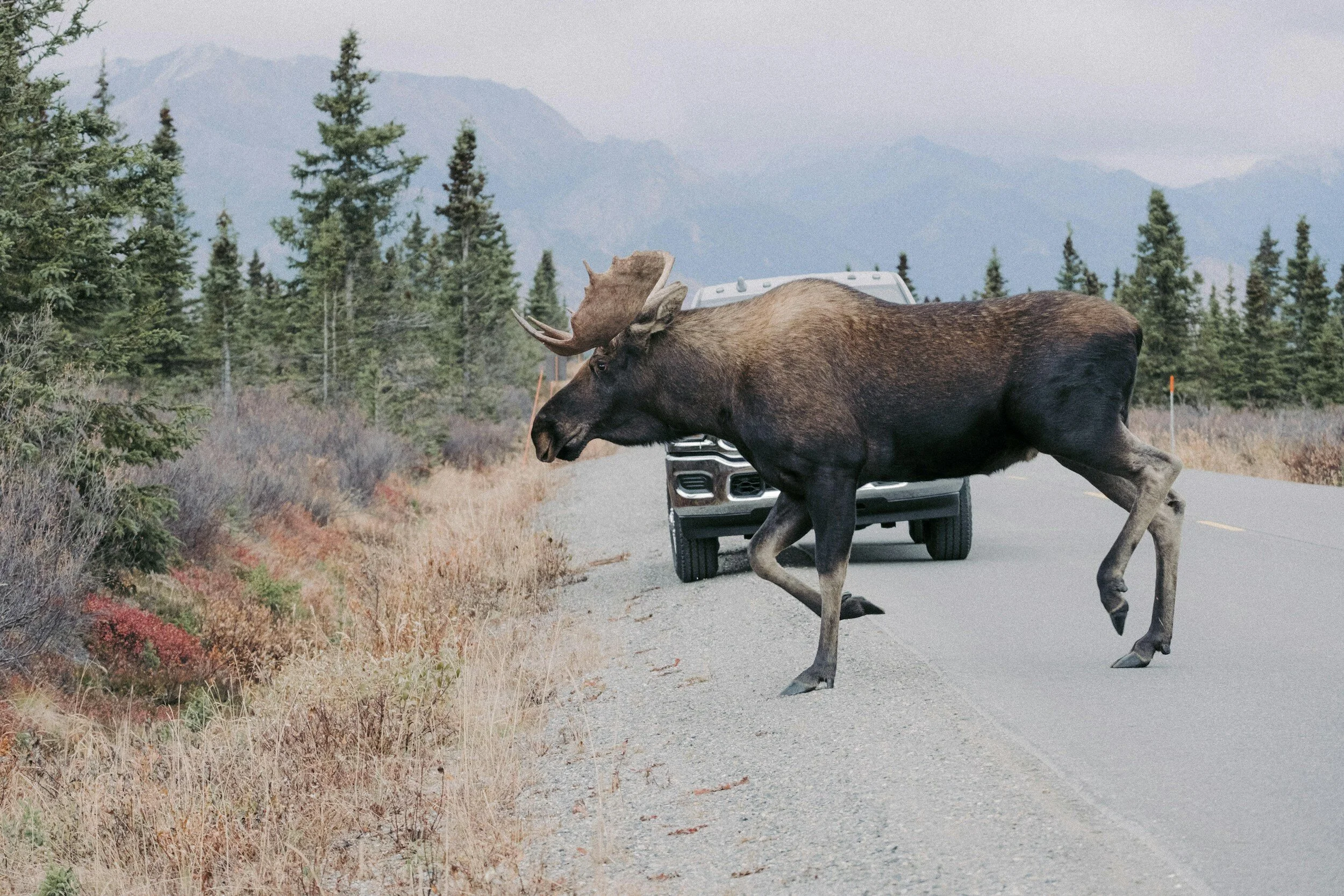
If you've snapped some pics of unbearably lovable bears, foxy foxes, lithe lynx, wondrous wolves, or cavorting caribou, send them along to us! Did you see a monstrous moose on your last visit to Denali National Park? We'd like to see it, too!

Perhaps you photographed an ostentatious otter or a grumbling grouse. Maybe a vivacious vole wandered within the scope of your lens or a lustrous lemming. It would be grand if we could post it for all to see.

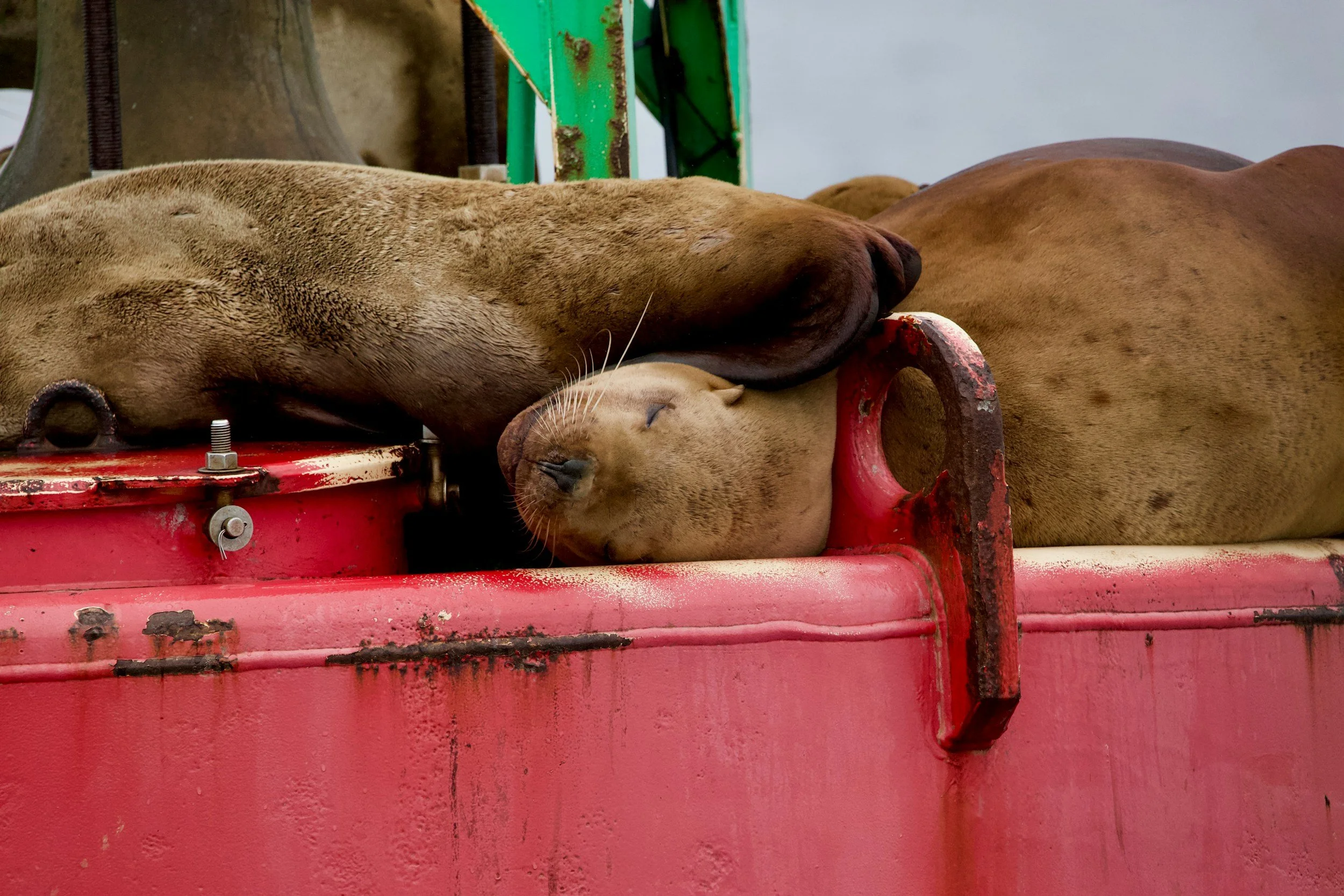
Scintillating sea lions and seals. Giggly grizzlies (we'd especially like to see that!). Surefooted sheep. They're all potential candidates for our new gallery.
Please include a bit of information as to where you saw the subject of your photo, any interesting aspects to the experience, etc. We'll try to include them with the photos we place online.

Email your photographs to nancy@akwildlife.org and share Alaska with everyone!

.