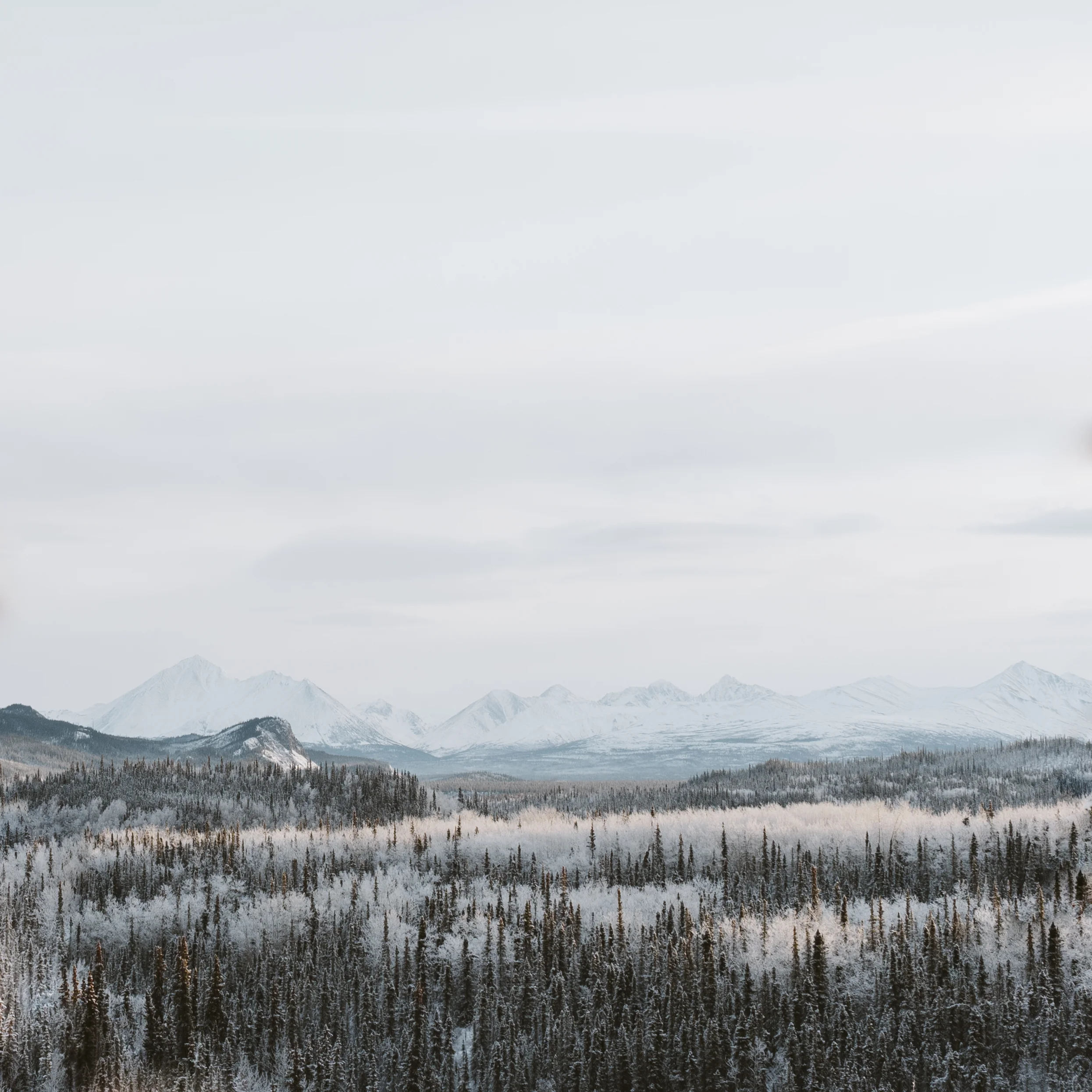

Photo credit: Matt Cameron, NPS.
Denali Wolves
A population under threat.
In Alaska, wolves are among the most desired species for viewing; 40 percent of visitors to Alaska reported hoping to view wild wolves during their visit. Denali National Park is recognized as one of the best places in the world for people to see wolves in the wild and wolves in the eastern region of Denali National Park provide significant wolf viewing opportunities as visitors travel along the Park Road.
However, while wolves were once a must-see for visitors to Denali National Park; now they are a virtually never-see thanks to wolf hunting and trapping being allowed on lands directly adjacent to the Park.
THE ISSUE
Wolves are protected from hunting and trapping within Denali National Park and Preserve; however, the northeastern boundary of Denali Park is adjacent to state-managed land where hunting and trapping are permitted. Wolves that live inside the park frequently roam beyond park boundaries while traveling, hunting, or dispersing, making them vulnerable once they enter these adjacent areas.
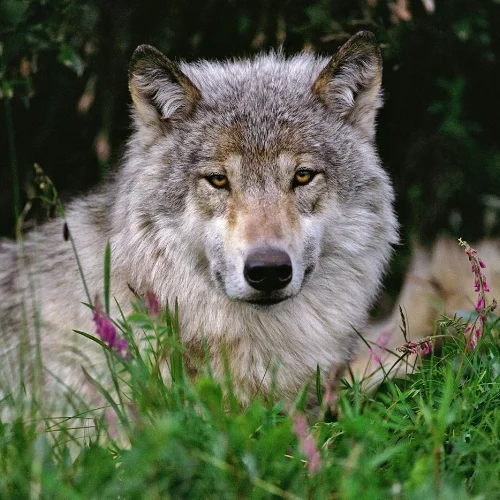
Denali Park Wolf, photo courtesy of Johnny Johnson.
For years, portions of this area, including the Stampede Closed Area and the Nenana Canyon Closed Area, were managed with seasonal “buffer zones” that restricted wolf trapping near the park boundary. These protections were intended to reduce the likelihood that highly visible Denali wolves would be killed shortly after leaving the park. The buffer helped maintain opportunities for visitors and researchers to observe wild wolf packs that spend much of their time inside Denali.
From 2000 to 2010, the Alaska Board of Game approved a buffer zone — a year-round closure of wolf hunting and trapping in certain areas along the northeastern boundary. These protections were intended to reduce the likelihood that highly visible Denali wolves would be killed shortly after leaving the park. A study conducted by the National Park Service and the Alaska Department of Fish and Game showed that not only were there increased sightings of wolves from 2000 to 2010 in the park, but that the average harvest of wolves in areas adjacent to Denali National Park also increased when the buffer zone existed.
However, in 2010 the Board of Game eliminated the buffer zone and voted to prevent reconsideration of a buffer zone for at least six years. In 2017, the National Park Service submitted a proposal to the Board of Game to reinstate a buffer zone, but the Board of Game denied the request. There is no habitat buffer zone in place today.
Since the buffer zone was eliminated:
Wolf viewing inside Denali National Park has dropped precipitously, from 44 percent of visitors reporting wolf sightings in 2010, down to only 4 percent in 2013.
The wolf population in the Park declined from an estimated 143 wolves in 2007 to just 75 in 2018, almost a 50 percent decrease.
The Comb Pack, whose range overlapped some of the buffer, was not seen after March 2018.
WHAT iS AWA DOING
Alaska Wildlife Alliance and several civil society interests in Alaska have continued to advocate to reestablish a Denali buffer. In 2013, a group of individuals and organizations, including AWA, wrote a letter to US Secretary of the Interior Sally Jewel, and Alaska Governor Sean Parnell asking them to negotiate an easement or purchase to create a permanent buffer. In March 2018, we submitted another letter to the Senate Resources Committee, urging members to vote in favor of a bill that would have established a no-hunting buffer zone adjacent to Denali National Park.
All such requests have been declined.
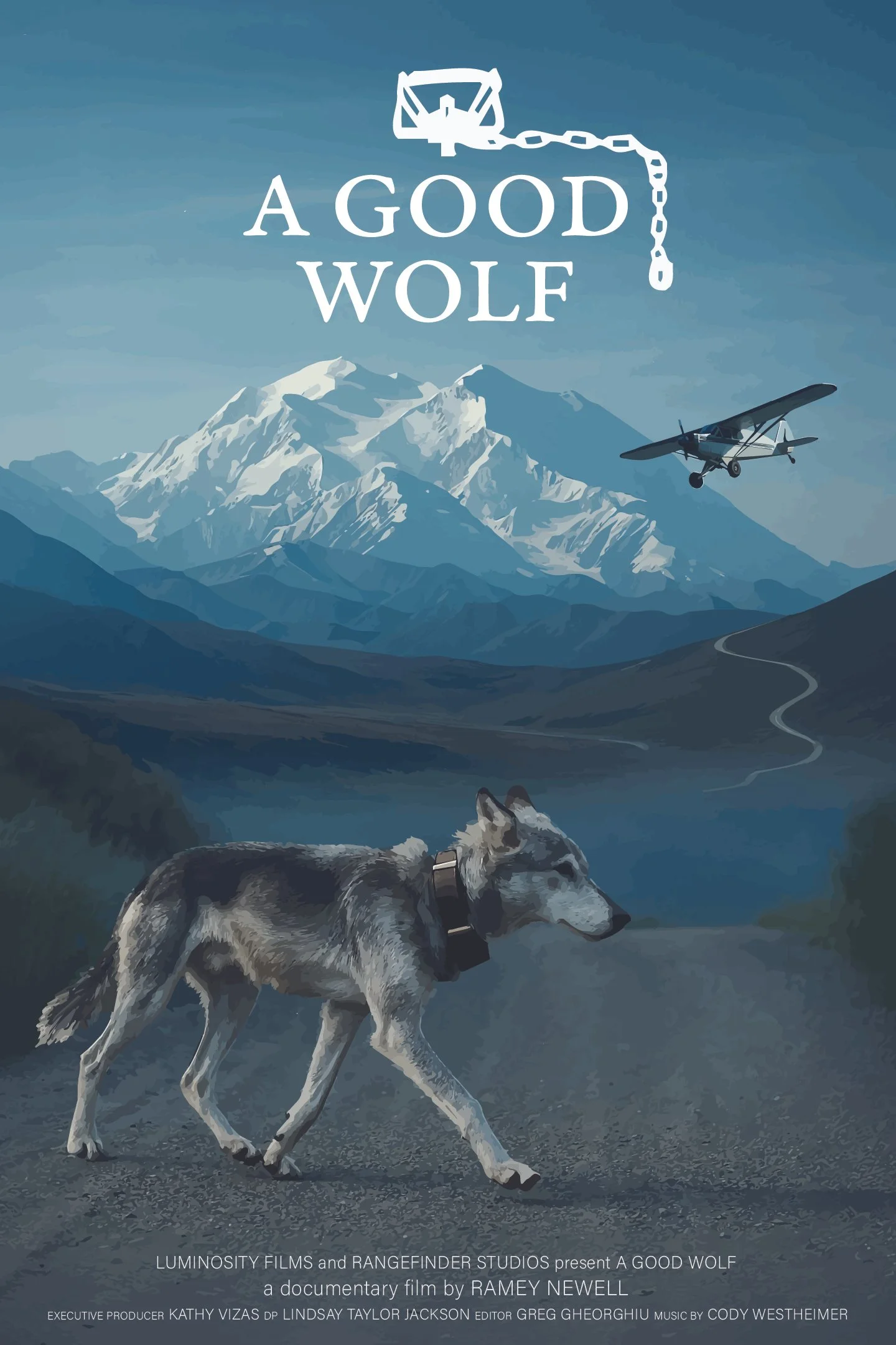
In 2019, Alaska Wildlife Alliance invited filmmaker Ramey Newell to explore the ongoing controversy over the hunting and trapping of wolves at the boundary of Denali National Park. A Good Wolf is a feature-length documentary film examining a 40-year conflict over the buffer zone, and the struggle between state and federal authorities, fur trappers and wildlife advocates, and competing human interests on public lands. In 2025, we screened A Good Wolf in Anchorage to a sold-out show.
