

Climate Adaptation
Developing a frontline adaptation program that sustains biodiversity in a rapidly changing climate.
Alaska's climate is warming at three to four times the rate of the Lower 48. Glaciers are receding, sea ice is disappearing, sea levels are rising, permafrost is thawing, wildfire is becoming more extreme, and marine and nonglacial waters are warming.
Wildlife and plants are responding, moving northward in latitude and upward in elevation. White-tailed deer and mule deer, once constrained to Canada, now have a harvest season in Alaska. Rufous and Anna's hummingbirds, two bird species that historically did not occur in Alaska, now winter on the Kenai Peninsula. Moose are increasing in abundance and distribution on the Yukon-Kuskokwim Delta, a response to expanding shrubs and lightning-caused wildfire. Beaver and cottonwood have begun colonizing the North Slope, displacing arctic foxes and polar bears that are quickly losing their historic ranges in Alaska.
These are success stories - the Alaskan species capable of adapting on their own to rapidly changing conditions.
Unfortunately, most species cannot respond as quickly, leaving them to flounder in habitats increasingly out of sync with their needs, a process that will ultimately lead to extinctions, novel assemblages, and degraded ecosystems.
AWA not only supports traditional land conservation as a means to conserve our biodiversity, we also promote novel management approaches that facilitate adaptation to rapid ecological transformations. Read on to learn more about our Resist-Accept-Direct approach, as well as our strategies.
Our Current Climate Programs

In partnership with the Native Village of Paimiut and the Intertribal Environmental Consortium, AWA is helping build a future for the Yukon-Kuskokwim Delta’s most vulnerable species and communities

We’ve partnered with the Kachemak Bay National Estuarine Research Reserve, the University of Alaska Center for Conservation Science, and the University of South Florida to demonstrate that beavers and their dams can combat climate change on the Kenai Peninsula.
Our Recent Climate Adaptation Work

Alaska Wildlife Alliance’s former Vice President of the Board, John Morton, was recently interviewed by the US Geological Survey.

AWA assessed the climate vulnerability for wildlife, people, and habitat in Hooper Bay, and created a vulnerability assessment, the first plan of its kind for villages in this area. The data has been shared with community members, and now its available to the public!

Learn more about our June 2025 site visit to the Kenai Peninsula to help demonstrate beavers as a nature-based solution to climate change.

The article highlights research on the phenological patterns of soundscapes of ecosystems, and weather the seasonality of the soundscapes coincided with weather variables that are used to monitor climate.

AWA Executive Director, Nicole Schmitt, and Board Member Angute'karaq Qakvalria, Estelle Thomson spoke at the Climate Change Preparedness Conference in Las Vegas last month.
The three-day event included climate experts, government officials and policymakers, community organizers, youth leaders, environmental professionals, and other stakeholders from around the country.
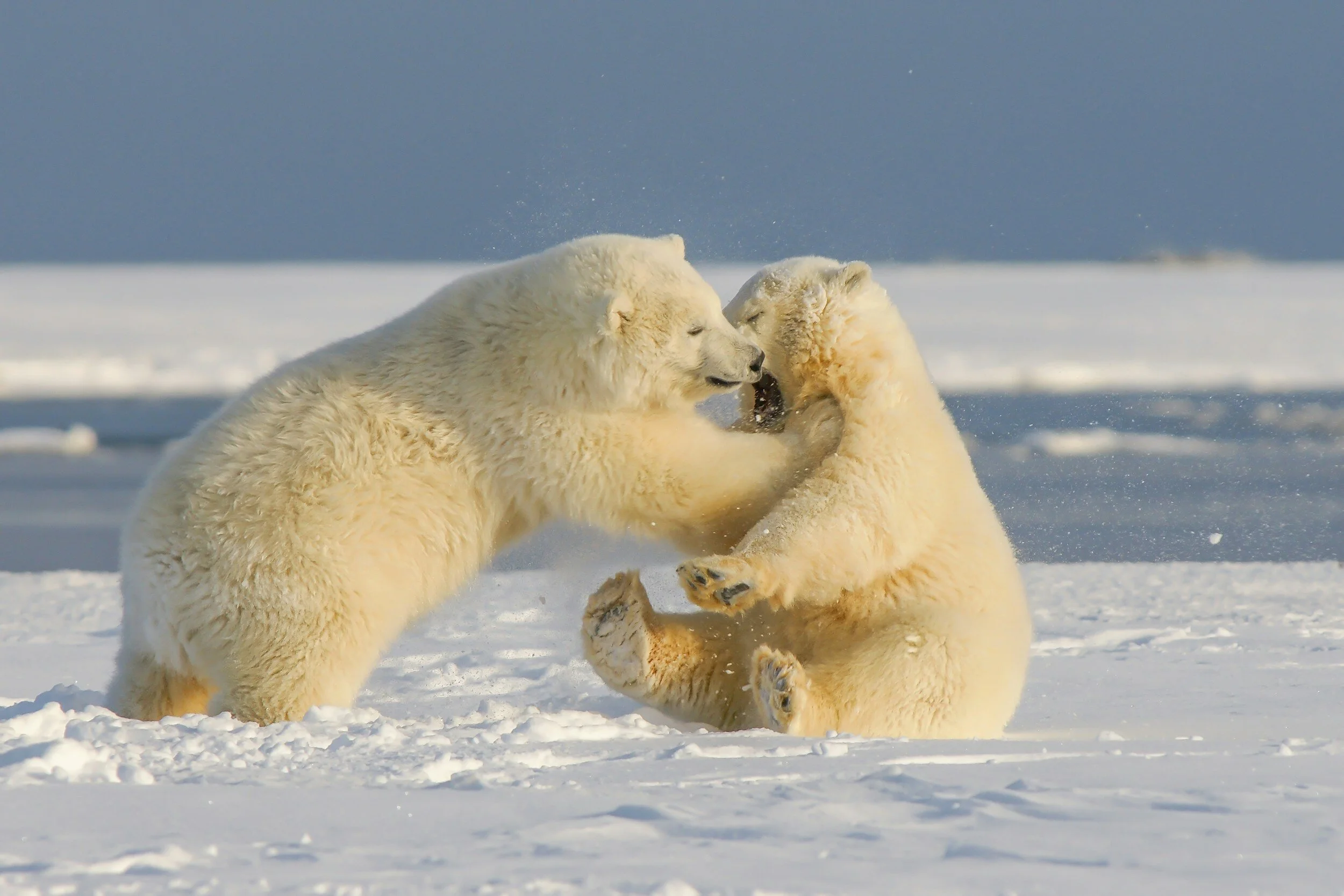
The 9th U.S. Circuit Court of Appeals ruled yesterday that the U.S. Fish and Wildlife Service must correct legal errors with a regulation that allows oil and gas companies to harass Southern Beaufort Sea polar bears on the North Slope of Alaska.

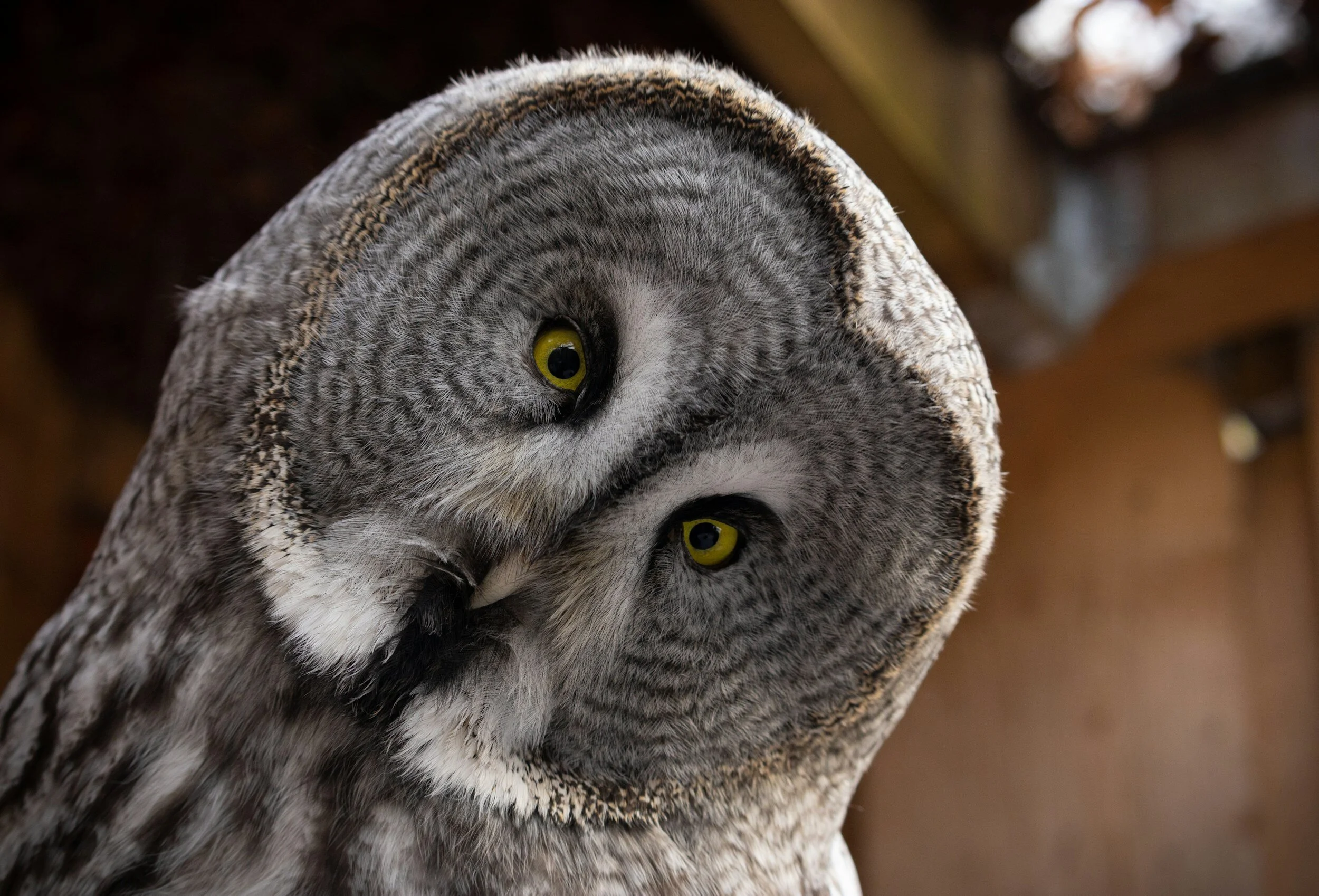
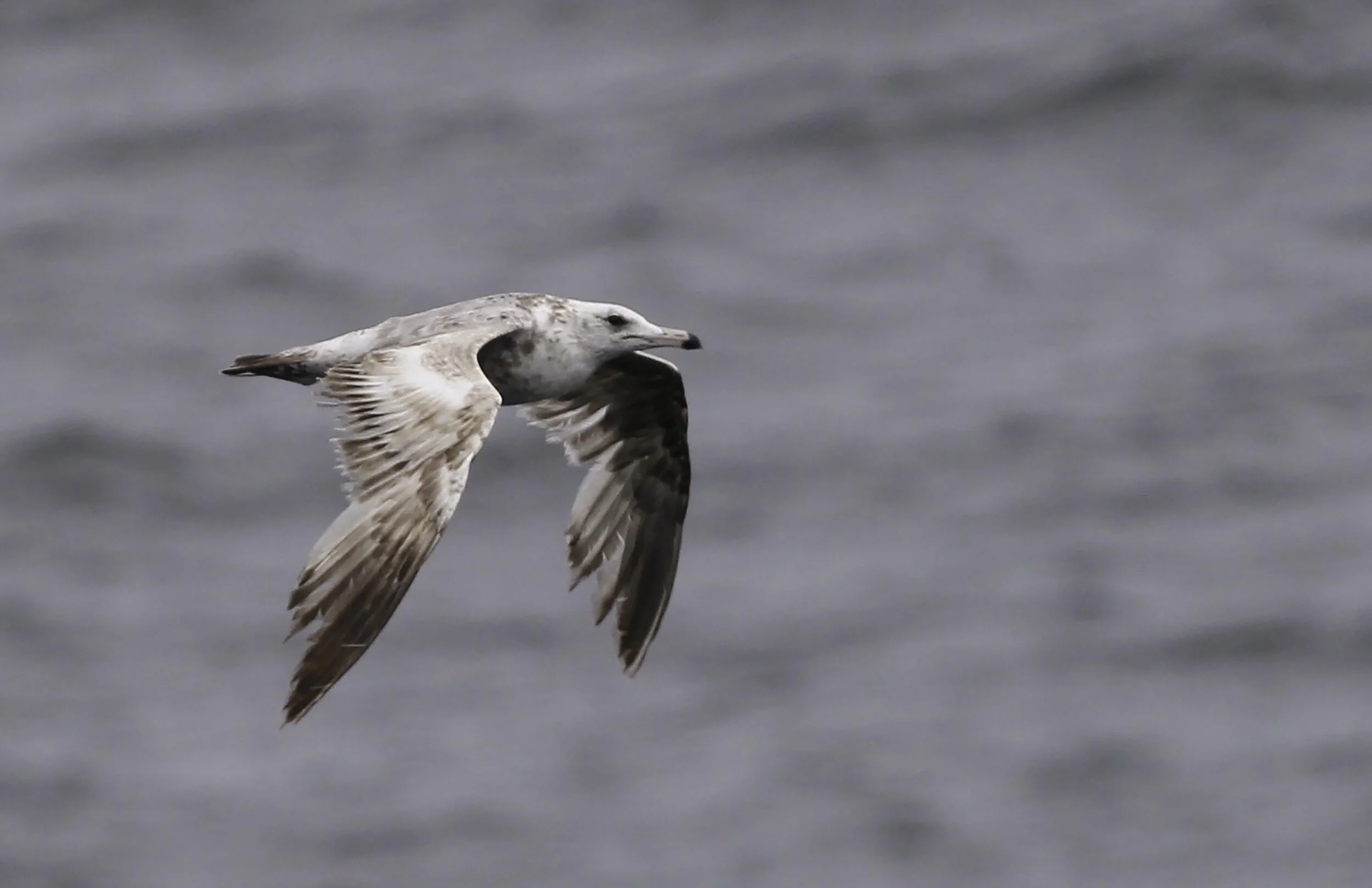
The article examines an isotopic approach to estimate probable breeding, staging and/or non-breeding origins of six shorebird species, some of high conservation concern, using Chickaloon during spring and fall migration of 2009 and 2010
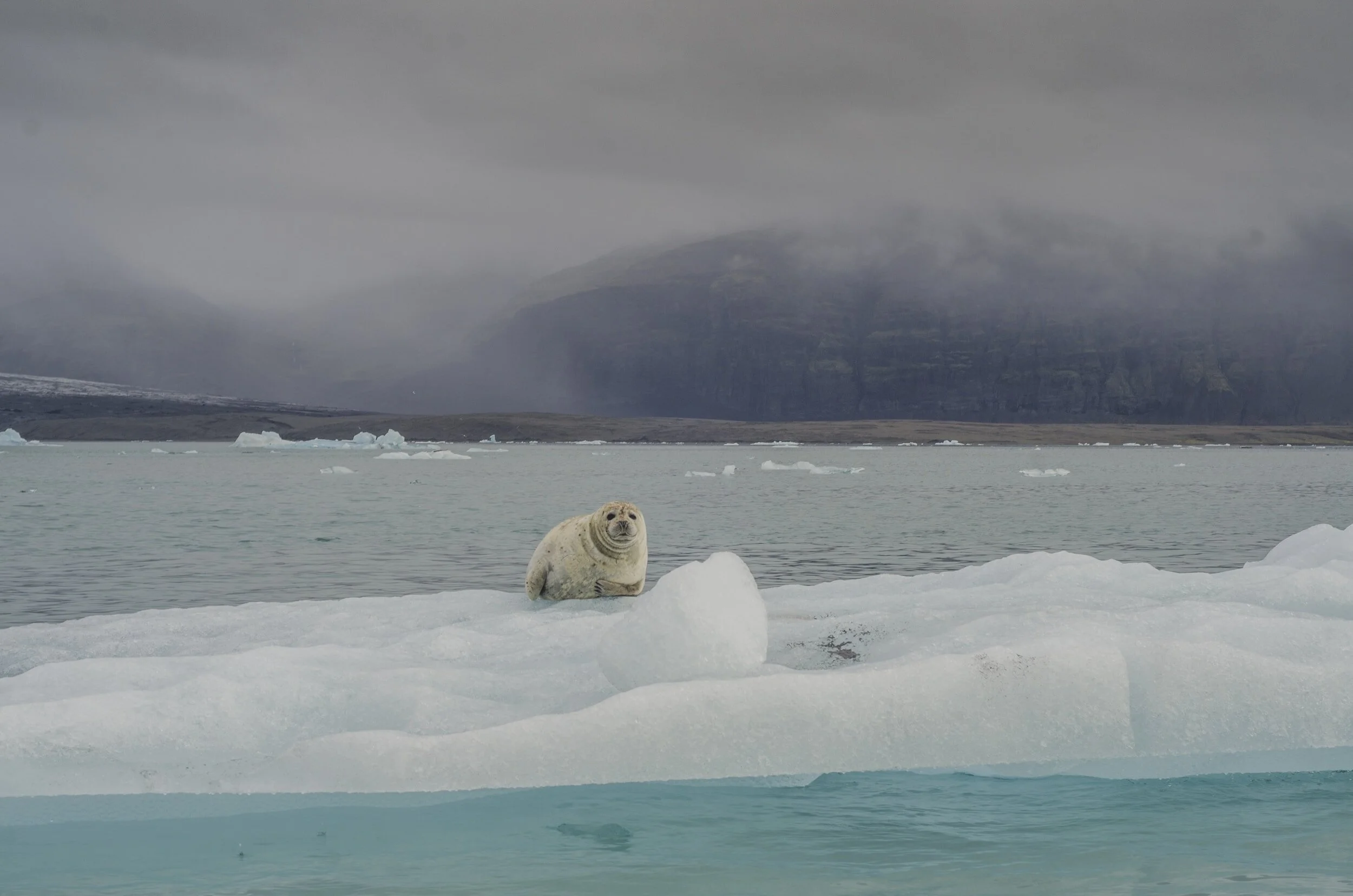
From the abstract: Alaska, with its unique geographical and ecological characteristics, is experiencing the detrimental effects of climate change at an alarming rate. The Alaska Native (AN) population, deeply connected to the land and its resources, faces disproportionate vulnerability to these impacts. We call attention to climate change impacts on AN food sovereignty, mental and behavioral health, cultural and spiritual practices, resiliency and adaptation, and how local Alaskan organizations are addressing climate change impacts.
This article also highlights the urgent need for environmental public health professionals to engage with AN and Native American communities, address health inequities, and participate in mitigation and adaptation efforts to address the environmental public health threats and consequences of climate change. Increasing awareness of climate- related health impacts on these communities is crucial and immediate actions are needed to support safer, healthier, and more sustainable and climate-resilient communities. Government agencies at all levels should also seek to integrate perspectives from Indigenous Peoples, engage in co-management strategies, and provide equitable funding and support for Indigenous communities. Unity, resilience, and adaptation become attainable goals by joining communities in caring for the environment. This message resonates not only in Alaska but also globally, highlighting the need for collective action in the face of climate change.
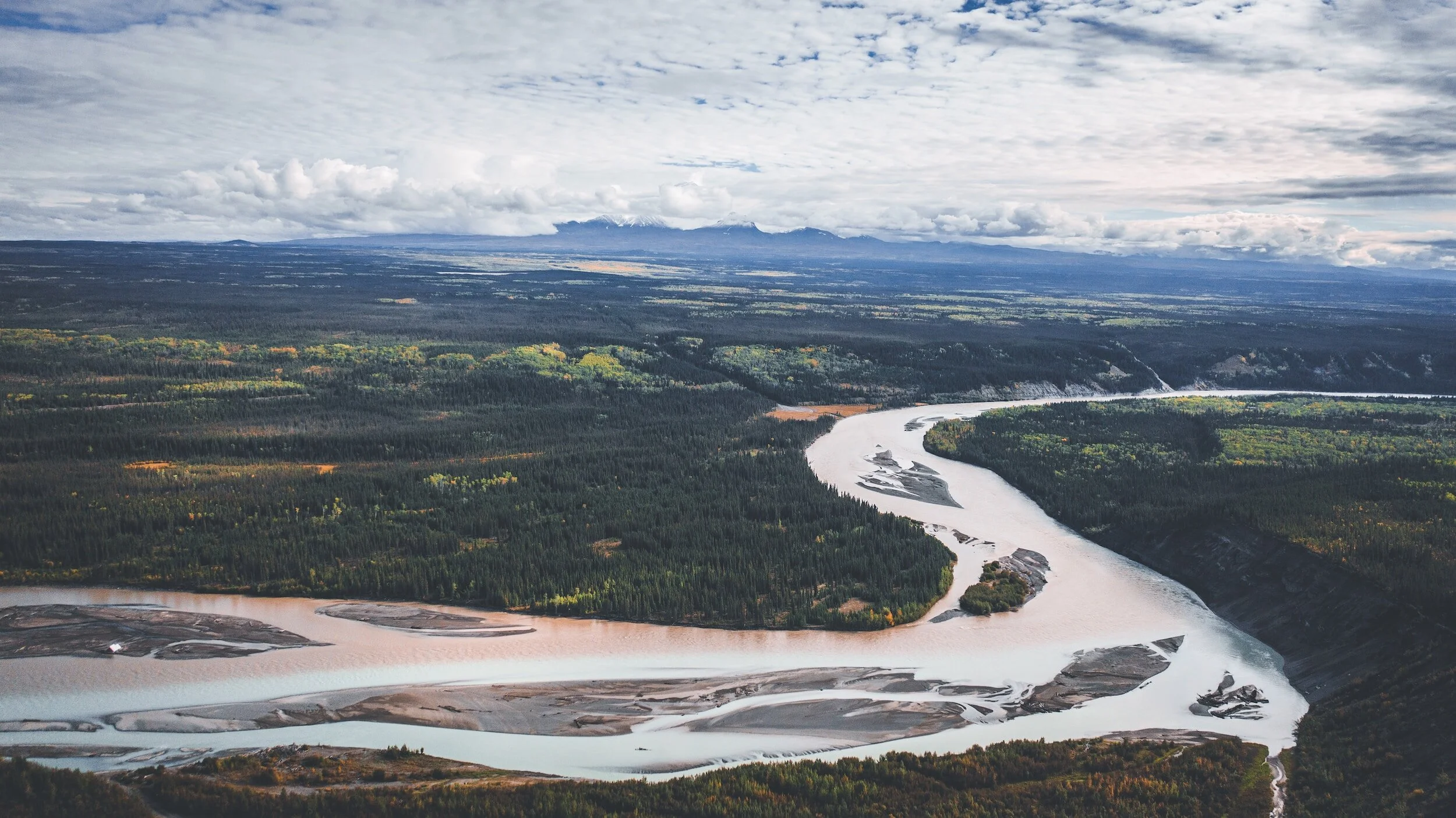
The article examines how the Resist-Accept-Direct (RAD) framework can facilitate informed decision making and a more cohesive and proactive approach to managing ecological trajectories…”

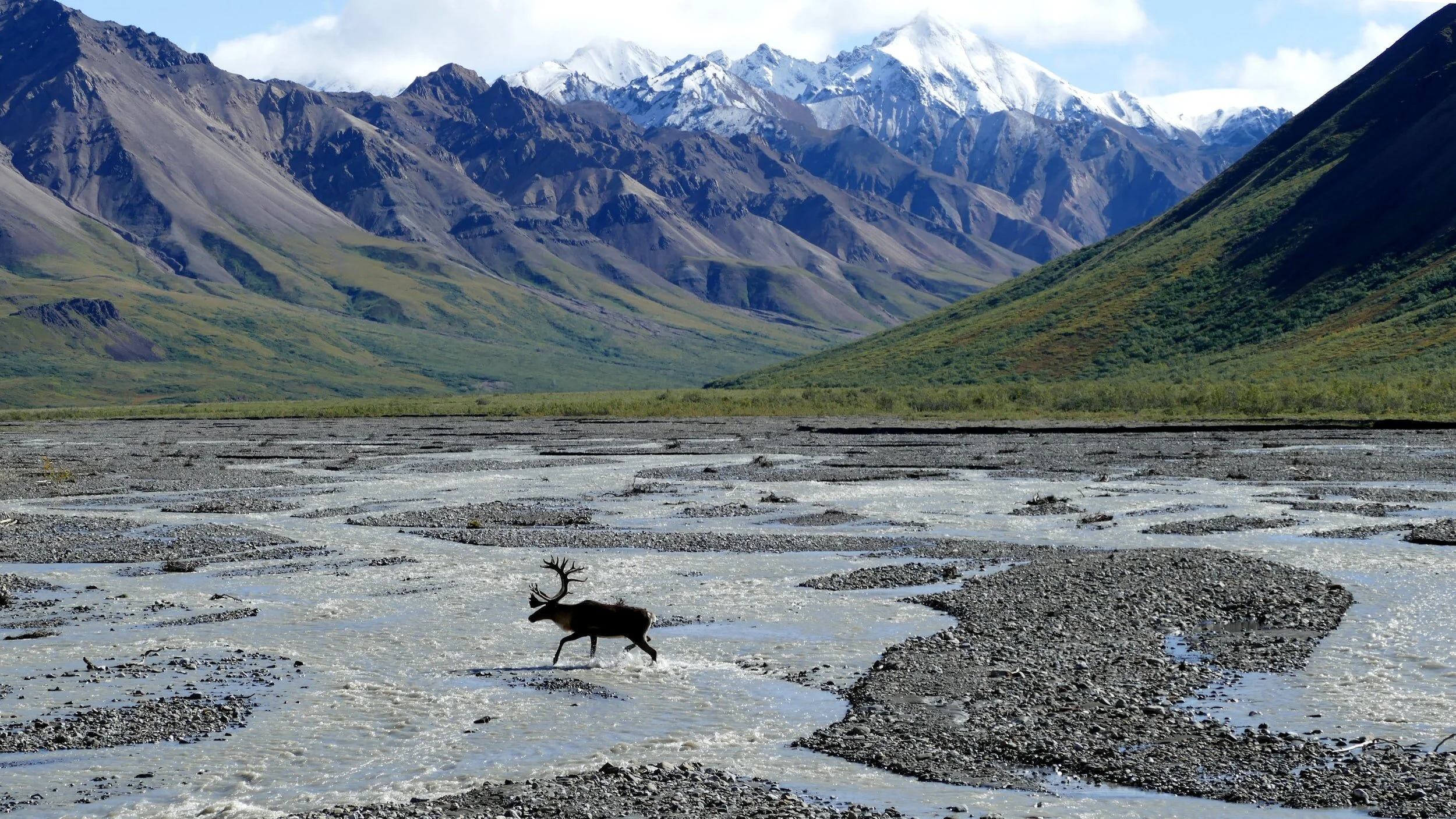

See the slides from a recent presentation about climate adaptation for wildlife in Alaska!

Check out a new publication co-authored by AWA’s Vice President, Dr. John Morton in the Canadian Journal of Forest Research!

The article discusses a study that examined the genetic makeup of Lutz spruce, a natural hybrid between white and Sitka spruce on the Kenai Peninsula, Alaska


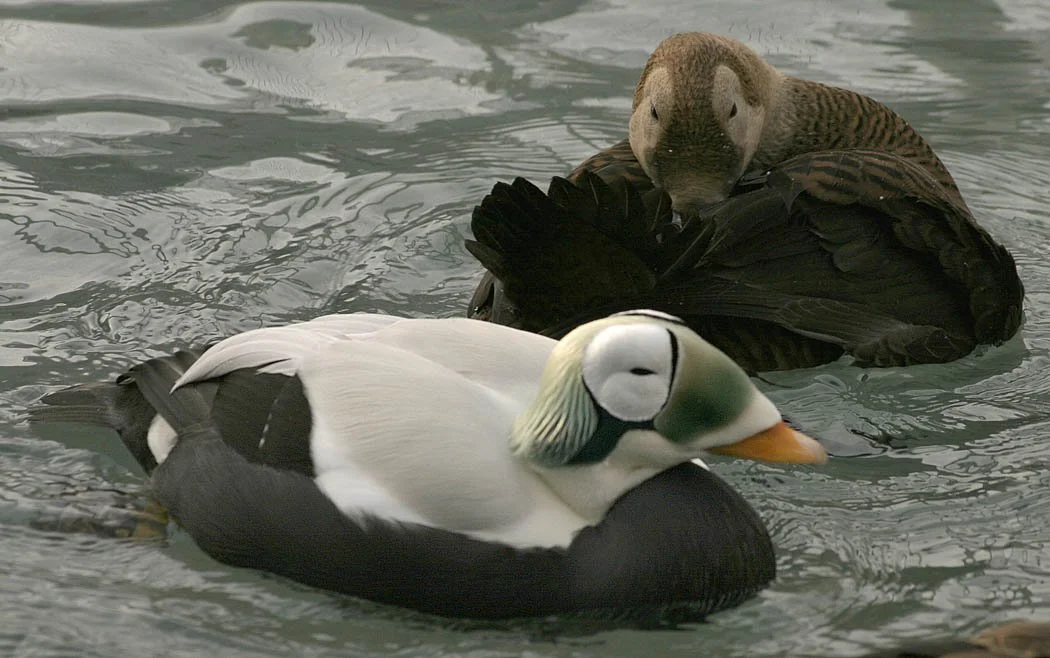
AWA project will help communities and wildlife build climate resilience in western Alaska.

Our board vice president, Dr. John Morton, and our executive director, Nicole Schmitt, have both been recently published! Read more about the RAD Framework and AWA’s outlook on climate adaptation for wildlife in Alaska.


Watch the recordings of the virtual workshop, Approaches to Adapting to Alaska’s Rapidly Warming Climate, now!

In the latest BioScience issue, Alaska Wildlife Alliance’s Resist, Accept, Direct (RAD) framework is discussed in several articles and the featured editorial.


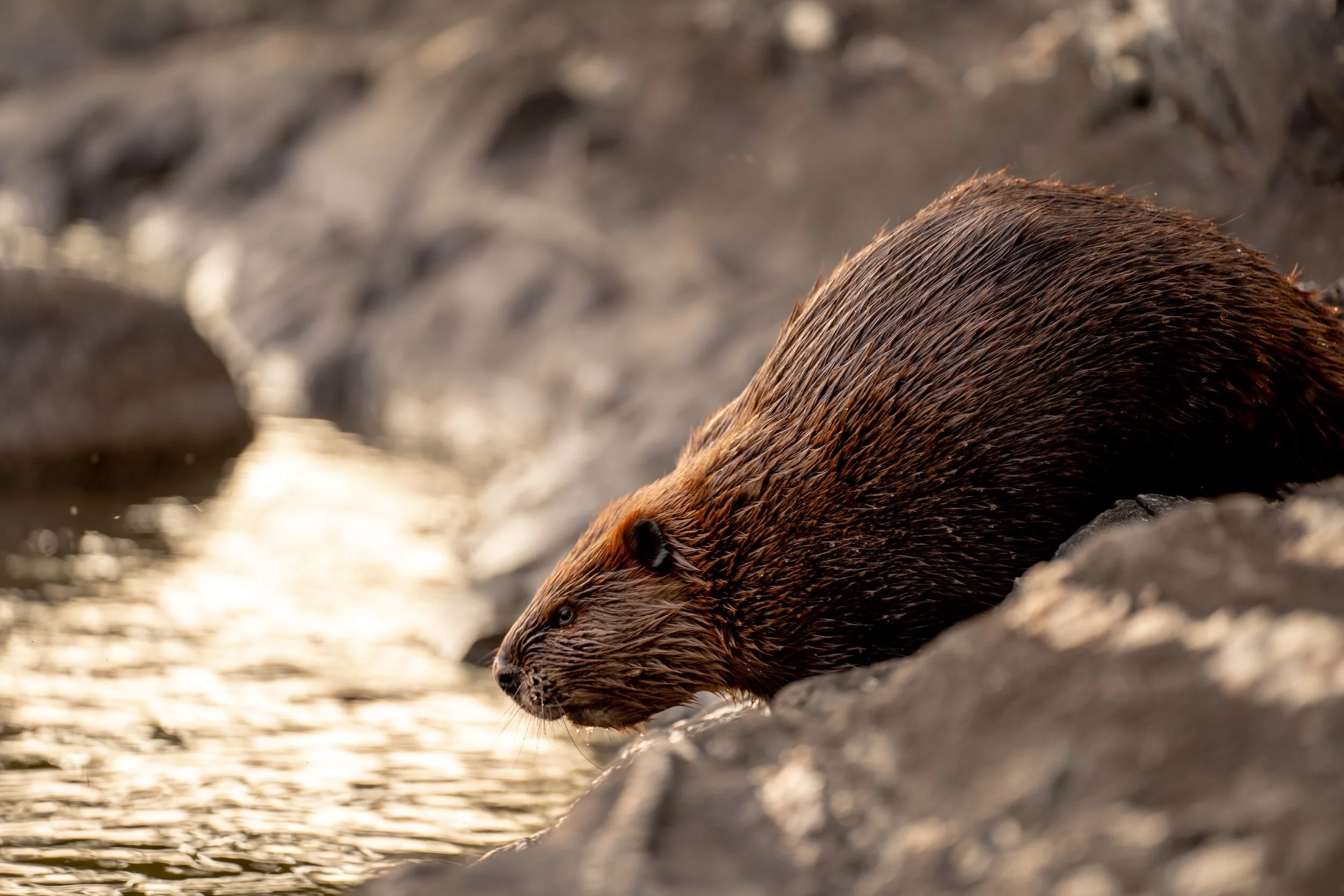
This presentation shows how the Resist-Accept-Direct decision framework can be used to provide context for local scale projects, such as using beaver dam analogs to help restore drying peatlands, as well as provide collateral benefits like better salmon habitat.

Our Approach and Strategies
Alaska Wildlife Alliance has contributed to the development of the Resist, Accept, Direct (RAD) framework, which lays out three choices for communities and agencies to guide their climate adaptation planning. Along with the RAD framework, our strategies
Inform Alaskan public policy to recognize climate change and ensure that it is considered in all wildlife and habitat decisions
Create and coordinate alliance-based working groups to spearhead this strategy, “cross pollinate” ideas, and build public support and consensus;
Advocate for climate change models to be considered in all state wildlife management policies, plans, and working groups. See our 2022 Climate Workshop;
Educate decision makers on climate change impacts to wildlife, ecosystem health, biodiversity, and environmental justice.
Collaboratively develop innovative climate adaptation plans across Alaska that are founded in ecosystem management
Promote decision frameworks that demand ecosystem and landscape-scaled context in the development of community adaptation plans;
Promote field experiments to validate modeled ecological trajectories before they happen;
Build alliances to facilitate the development of pilot studies that demonstrate climate change adaptation approaches. Pilot studies showcase novel ways of solving a management problem, demonstrating ecological and economic feasibility before scaling up.
