Defend Alaska’s Marine Mammals
WHAT YOU NEED TO KNOW
Alaska’s Representative Nick Begich recently introduced a proposal to gut the Marine Mammal Protection Act.
AWA and many Alaskans oppose these proposed changes.
It’s important that Alaskans weigh in on this issue. Contact your representatives to ensure your voice is heard:
BACKGROUND
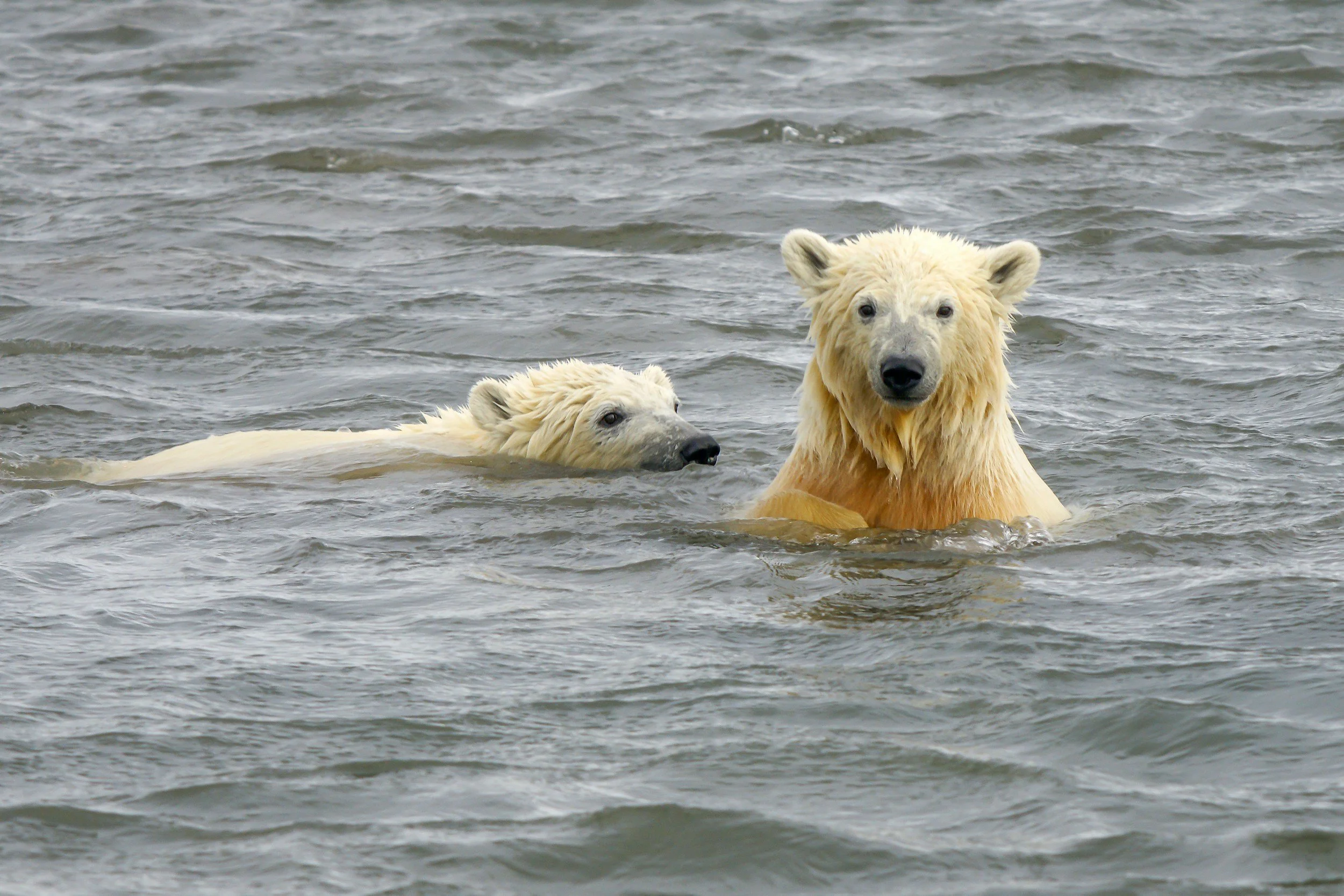
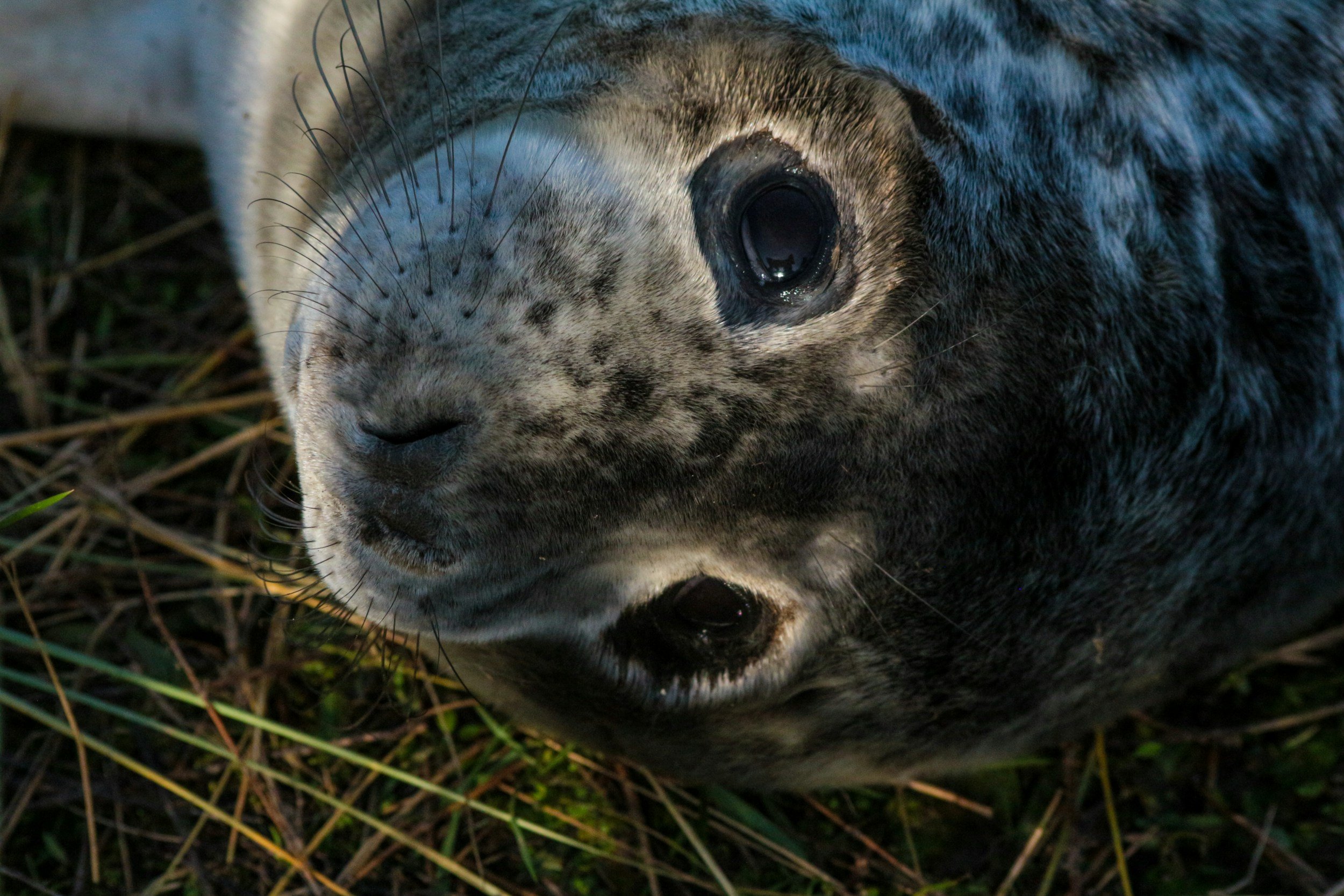
In 1972, Congress responded to overwhelming public support for marine mammals by adopting the Marine Mammal Protection Act (MMPA). Since that time, this landmark law has protected the country’s dolphins, whales, manatees, seals, sea otters, polar bears, and other much-loved species from harm. Not a single species has disappeared from American waters even as our use of the ocean has increased. Protecting the nation’s marine mammals has helped keep our coasts and oceans productive and helped create the largest wildlife-watching industry on the planet. The MMPA has been essential to the protection and management of Alaska’s marine mammals.
Alaska’s Representative Nick Begich recently introduced a proposal to gut the Marine Mammal Protection Act.
Begich’s draft legislation would revise key definitions in the MMPA, including changing “optimum sustainable population” from “maximum productivity” to the number “necessary to support the continued survival” of a species. It also shortens permitting timelines for industrial activities involving incidental “takes” of marine mammals and automatically approves applications if agencies fail to act within 165 days. In short, these proposed changes would set impossibly high hurdles for conservation action and gut protections across the board for our most iconic marine species.
Alaskans have been vocal in opposition to this proposal.
In October, the Alaska Federation of Natives unanimously passed ‘A Resolution in Opposition to the Proposed Amendments to the Marine Mammal Protection Act’. The resolution was submitted by the Nome Eskimo Community and Bering Straits Regional Caucus, and warned that the proposed amendments would weaken long-standing protections for marine mammals central to Alaska Native subsistence and culture, including whales, seals and polar bears.
Kawerak, Inc., the regional tribal nonprofit for the Bering Strait region, sent a letter on August 4 urging Rep. Begich to reconsider his proposal, saying it would “undo decades of progress and risk irreparable harm” to marine ecosystems and the communities that depend on them.
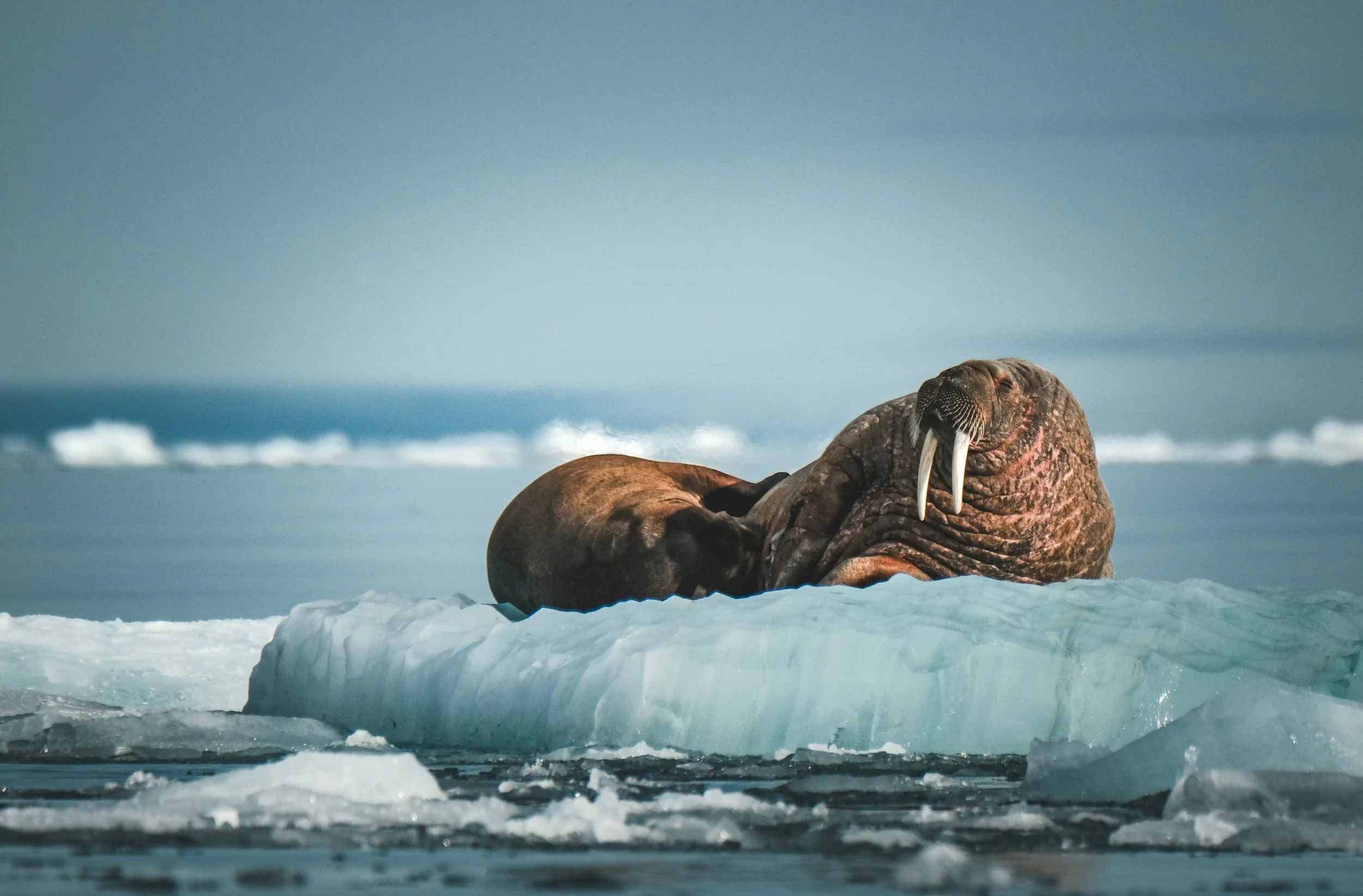
The Eskimo Walrus Commission joined in opposing the proposed amendment in an Aug. 25 letter. The letter urged Rep. Begich to proceed carefully with changes to the MMPA and involve Alaska Native co-management organizations.
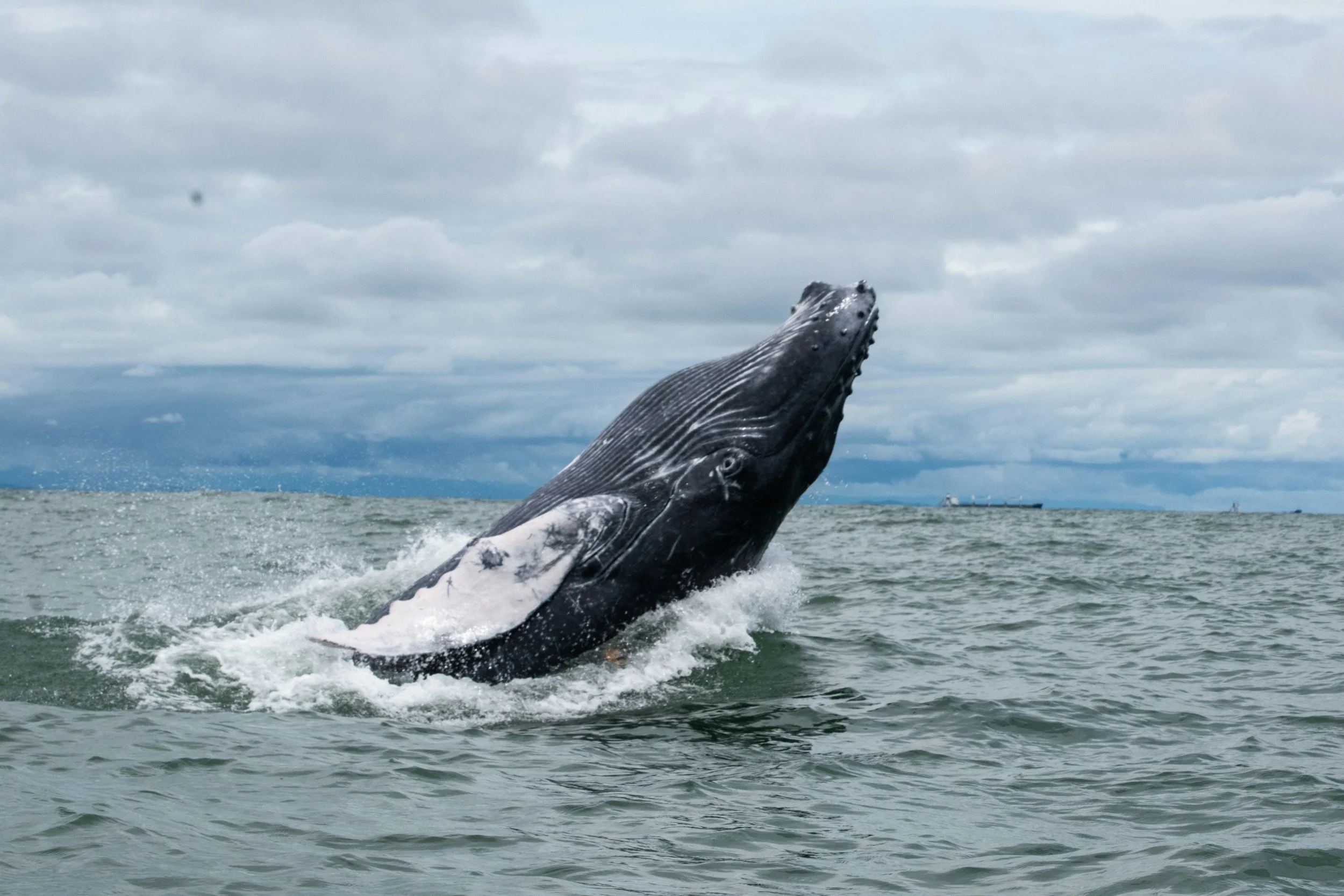
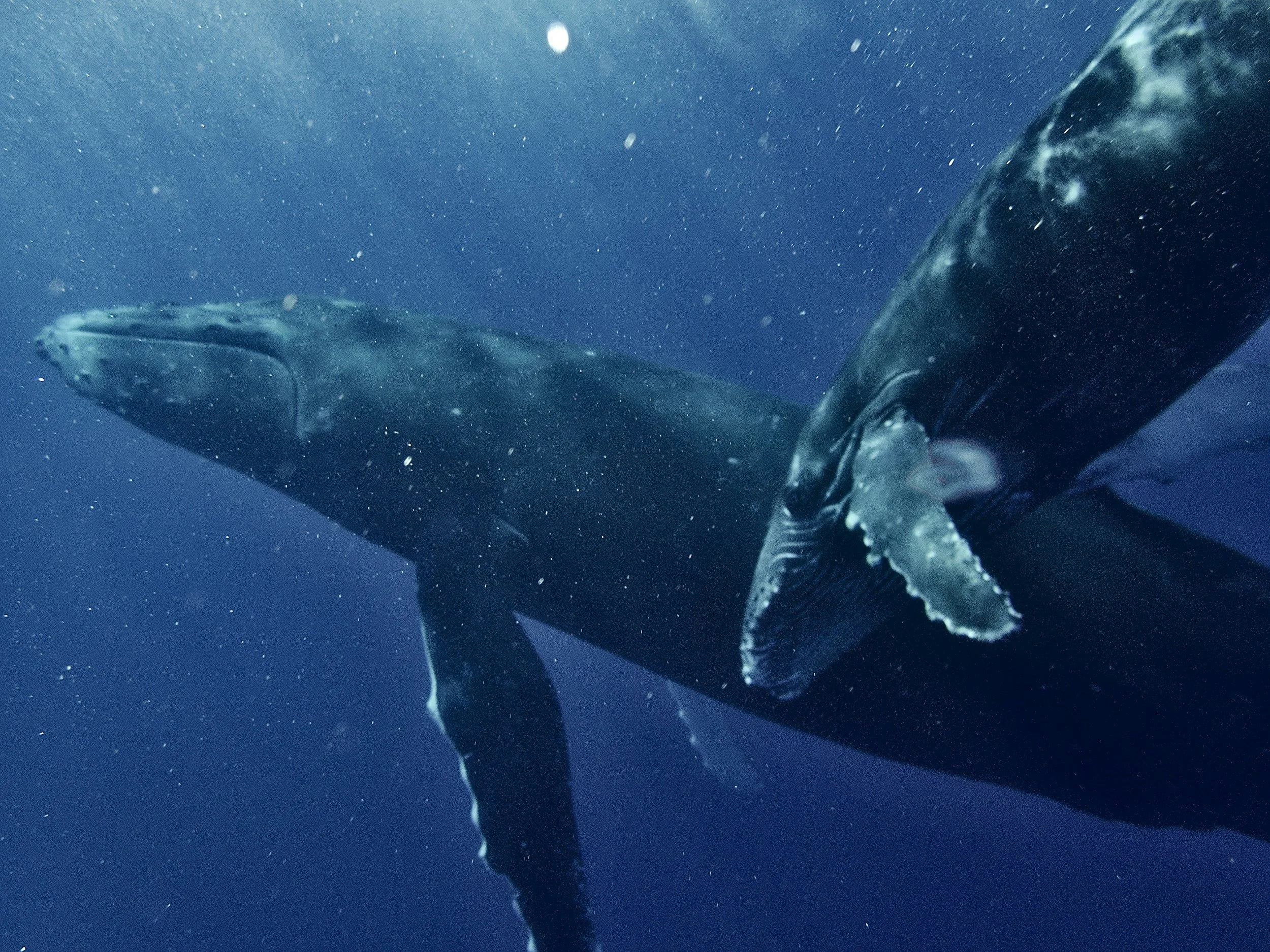
AWA and other conservation groups in Alaska worry about the impacts this proposed legislation will have on gray whales and humpback whales.
Organizations like the Whale and Dolphin Conservation and the International Marine Mammal Project are actively working against the proposed draft.
Op-Ep: “What does Rep. Nick Begich have against Alaska marine mammals?” strongly criticizes the move to sponsor this legislation.
What would the draft bill do?
Downgrade the statute’s mandate from healthy populations to mere survival. The MMPA’s forward-thinking vision recognizes that marine mammals play a significant role in healthy ocean ecosystems and aims to prevent their further decline and to recover them to their optimum sustainable population. The bill would downgrade this mandate to “continued survival” of a population or stock, setting the lowest possible conservation bar short of extinction. It would drive population decline and ultimately cause more marine mammals to be listed under the Endangered Species Act.
Allow harm to huge numbers of important species. It would gravely weaken the legal standards for authorizing activities that kill and injure marine mammals and disrupt their vital functions; it would prevent the regulatory agencies from establishing almost any kind of mitigation; and it would require automatic authorizations if the agency missed a series of artificially tight deadlines, even as the administration is cutting budgets and staff. The bill would essentially turn the MMPA’s provisions for minimizing incidental harm into an empty shell. These proposed changes would undermine conservation of beloved species from the Florida manatee to Alaska’s polar bears to the Northwest’s resident orcas.
Undermine the limit on marine mammal death. The MMPA has kept populations sustainable for more than three decades by limiting the number of marine mammals that can be killed, or “removed,” by human activity each year. The bill would destroy this core safeguard. It would prevent agencies from considering a population’s recovery potential when setting a biological removal limit; and it would require them to obtain “systematic and complete abundance survey data”—which are not available for many populations and may be impossible to acquire—to establish any limit at all on marine mammal loss. On top of this, it would count only documented mortalities towards the removal limit, even where sound, peer-reviewed science demonstrates that most deaths go undetected or unreported. Our chief means of controlling marine mammal loss would be rendered a nullity.
Eliminate protections for imperiled marine mammals killed in commercial fisheries. In gutting the safeguard that limits marine mammal deaths, the bill would undermine the process, known as “take reduction planning,” that protects endangered, threatened, and depleted marine mammal populations from bycatch in commercial fisheries. Currently, these plans, which are developed with input from fishermen and other stakeholders, aim to reduce marine mammal deaths in those fisheries to sustainable levels. Additionally, the bill would eliminate the MMPA’s longstanding goal of reducing mortality in commercial fisheries to near zero over time. Collectively, these amendments would actively harm some of the country’s most spectacular wildlife populations, including humpback whales off the West Coast, harbor porpoises in the Northeast and off Alaska, bottlenose dolphins in the Southeast US, and false killer whales off Hawaii. And they would spell doom for North Atlantic right whales, as entanglements alone are driving the species towards extinction.
Hamstring the ability to issue regulations. The bill imposes significant limits on the authority to issue “necessary and appropriate” regulations for protecting marine mammals and carrying out the MMPA’s purposes.
Drastically undermine marine mammal conservation worldwide. The MMPA requires the Secretary of the Treasury to ban the import of commercial fish caught in ways that kill or seriously injure marine mammals in excess of U.S. standards. By gutting the Act’s standards for domestic fisheries, the bill would allow fish and fish products from nations whose fleets indiscriminately kill marine mammals into the American supply chain—and undermine marine mammal conservation worldwide.
Fatally delay action to save North Atlantic right whales. Though this species is not found in Alaska, we still care deeply for their recovery. This bill specifically delays—for an additional ten years—any further measures to reduce the threat of entanglements to the fewer than 400 remaining North Atlantic right whales. Incidental entanglements in fishing gear are one of the two biggest threats to the survival of the species. Further delays in reducing these impacts will drive the whale closer to extinction.
How you can help
It’s important that Alaskan’s vocalize their support for marine mammals and the Marine Mammal Protection Act, as it stands with Begich’s proposed changes. This bill will be taken up in coming months, so reach out soon if you want your voice heard.
The proposed changes to the MMPA would be effective nationwide; if you aren’t an Alaska resident, you can still contact your representatives to voice your opinion on the proposed changes.
As always, be respectful in your emails or phone calls. Share personal stories and experiences, and explain why you care about protecting the MMPA.
Thank you for supporting Alaska’s marine mammals!
