Alaska Wildlife Alliance and Coalition Partners Warn of Lawsuit Over Arctic Refuge Oil Leasing
A coalition of Indigenous, conservation, and environmental organizations, including AWA, has issued a formal 60-day notice of an intent to sue the U.S. Department of the Interior, the Bureau of Land Management (BLM), and the U.S. Fish and Wildlife Service (FWS) over the 2025 Arctic National Wildlife Refuge (ANWR) Coastal Plain Oil and Gas Leasing Program.
The coalition includes the Gwich’in Steering Committee, Alaska Wilderness League, Canadian Parks & Wilderness Society – Yukon, Defenders of Wildlife, Environment America, Friends of Alaska National Wildlife Refuges, National Wildlife Federation, National Wildlife Refuge Association, Northern Alaska Environmental Center, Sierra Club, The Wilderness Society, and Wilderness Watch, represented by Trustees for Alaska.
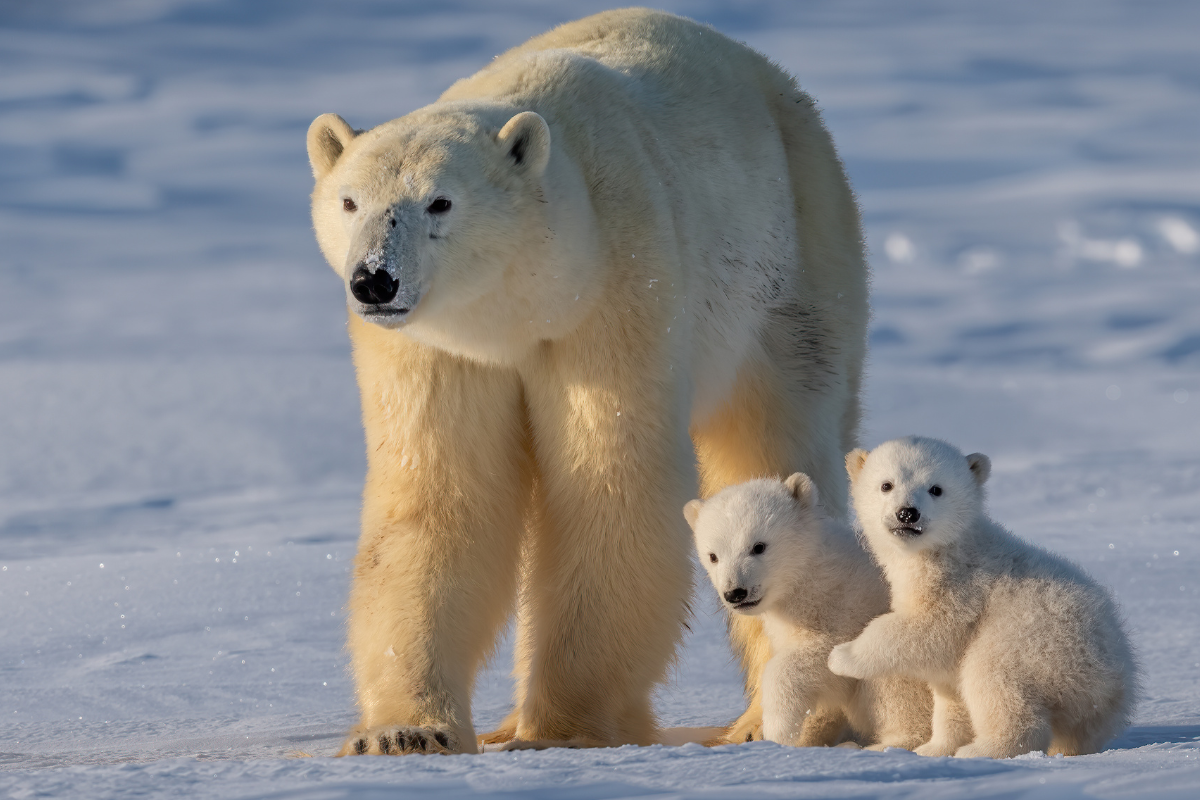
We believe the federal government violated the Endangered Species Act (ESA) by approving an oil and gas leasing program that threatens the survival and recovery of polar bears and puts their legally protected habitat at risk.
Polar Bears Depend on the Coastal Plain
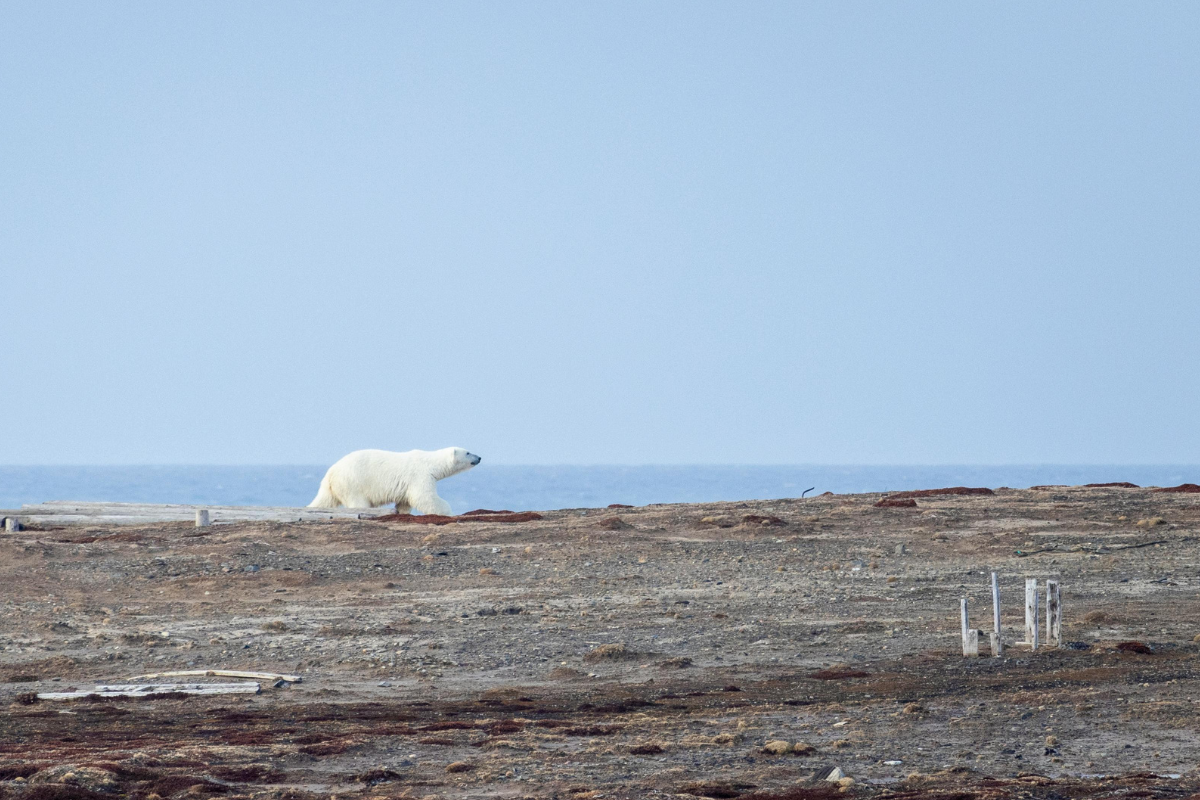
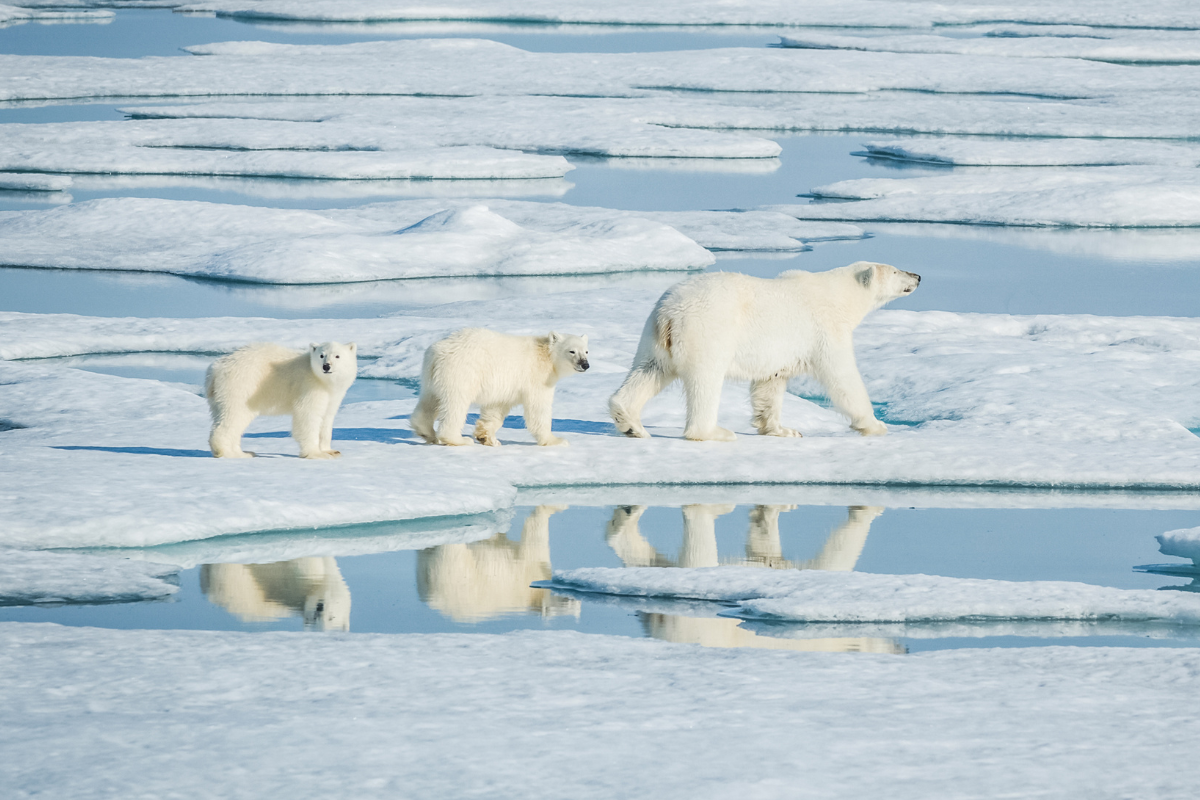
The Southern Beaufort Sea polar bears—the bears most likely to use the ANWR Coastal Plain—are already struggling due to climate change and the rapid loss of sea ice. As Arctic ice disappears, pregnant polar bears are increasingly forced to den on land, making the Coastal Plain more important than ever to these marine mammals.
Approximately 77 percent of the Coastal Plain is designated as critical habitat for polar bears. Scientific studies show that the Southern Beaufort Sea population has declined by about 50 percent since the 1980s, leaving fewer than 1,000 bears remaining. In this fragile state, even small increases in cub mortality can have serious consequences for the population’s future. The agency’s analysis shows that nearly 300 polar bear cubs could be impacted by oil and gas industrialization, and many could even be killed.
Alaska Wildlife Alliance and other members of the coalition have already gone to bat for these bears, winning a lawsuit against the USFWS in 2024 after they considered a regulation to allow oil and gas companies to harass polar bears and disturb their denning and eating sites.
A Flawed Approval Process
Before approving the 2025 leasing program, BLM relied on a 2025 Biological Opinion from FWS that concluded opening the entire Coastal Plain to oil and gas leasing would not jeopardize polar bears or harm their critical habitat. We strongly disagree.
The biological analysis is legally and scientifically deficient. It relies on mitigation measures—such as den detection surveys and “no surface occupancy” protections—that are uncertain, unenforceable, or contradicted by BLM’s own interpretation of the law. The analysis also downplays the importance of cub survival, even while acknowledging that oil and gas activities could disturb hundreds of dens and result in the deaths of dozens of polar bear cubs over the life of the program.
The agencies also failed to account for damage to the most important denning areas on the Coastal Plain, instead masking localized harm by averaging impacts across much larger areas.
Development Beyond What the Law Allows
The 2025 approval abandons key limits that earlier analyses relied upon—most notably a 2,000-acre cap on surface disturbance. By reinterpreting what counts toward that limit and asserting it cannot deny access for oil and gas infrastructure, BLM has opened the door to far greater development than was ever properly analyzed under the Endangered Species Act.
Because the government changed these assumptions after consultation was completed, the leasing program is moving forward without a lawful or accurate assessment of its impacts on polar bears and their habitat.
What We Are Calling For
The coalition, including Alaska Wildlife Alliance, is calling on the Bureau of Land Management to withdraw its 2025 decision, halt further leasing activity, and restart consultation under the Endangered Species Act using the best available science and accurate assumptions about development impacts.
If federal agencies do not take corrective action within 60 days, we will pursue legal action to protect polar bears, uphold the law, and defend the Arctic National Wildlife Refuge.
