State Ordered to Pay $513,300 to Lawyers for Mulchatna Bear Control Lawsuit
On December 31, 2025, Judge Rankin ordered the State of Alaska to pay $513,300 in legal fees, following Alaska Wildlife Alliance’s winning lawsuit against the State, which challenged the Department of Fish and Game’s 2022 Mulchatna bear control program. Two superior court judges had deemed the Mulchatna bear control program illegal and unconstitutional in 2025.
The order comes shortly after a judge ordered the Alaska Department of Fish and Game to pay $115,220 in attorney’s fees to Kneeland Taylor, a retired lawyer and wildlife advocate who recently won a lawsuit against the State after it reauthorized a wolf control policy on the southern Kenai Peninsula without considering new scientific population estimates for animals in the area.
The State’s attorneys protested that the hourly rates submitted by the pro bono lawyers who worked on the Mulchatna case for AWA were unreasonably high. However, Judge Rankin wrote in her decision that the claim seemed “disingenuous since the State appears to contract with some private attorneys for hourly rates much higher”.
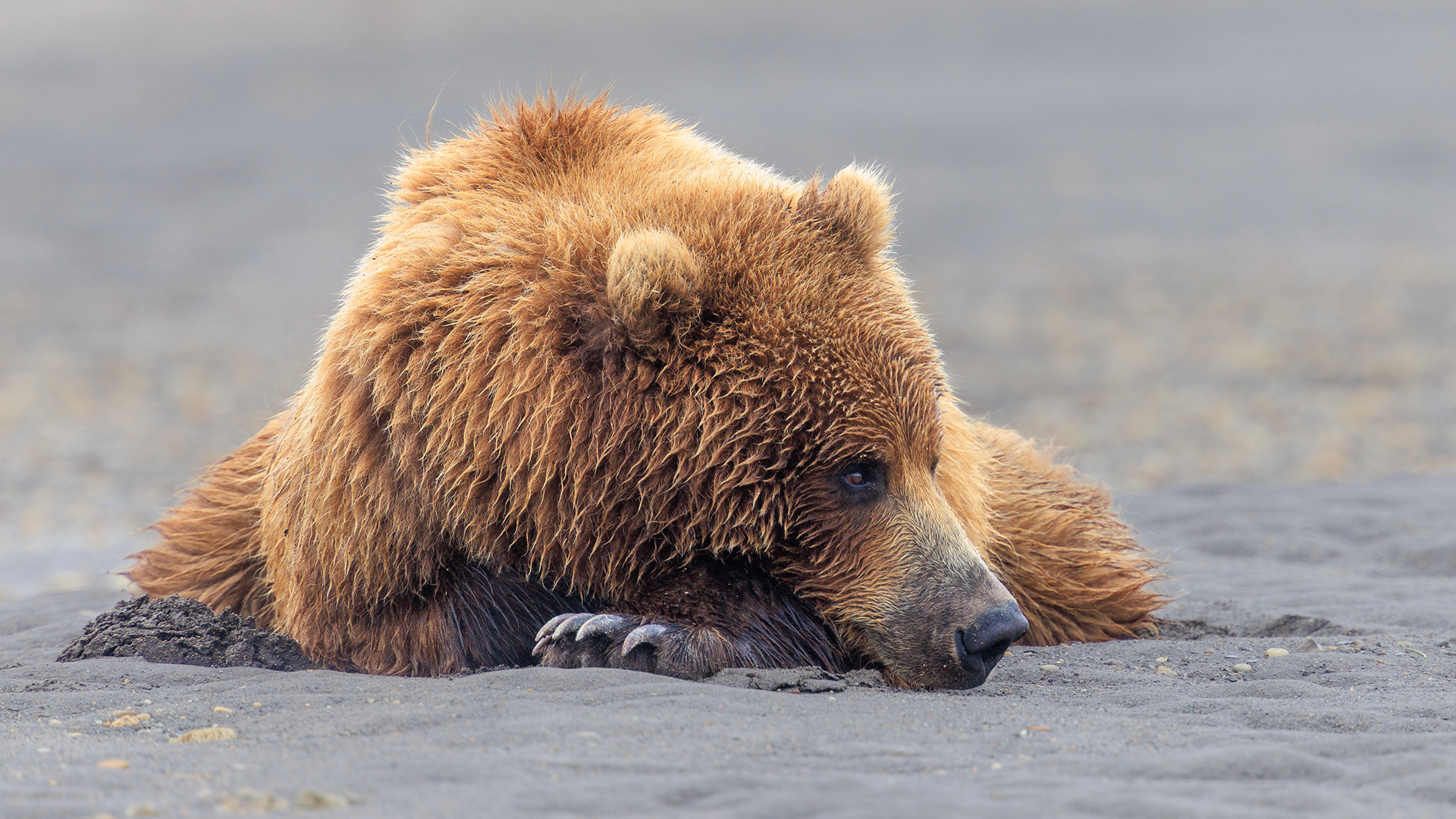
Photo generously donated by Aditya Datta.
All told, in December 2025 alone the State has been ordered to pay $628,000 in legal fees over predator control programs that were deemed illegal by numerous judges—money that could have been much better spent elsewhere, supporting multiple projects with actual, measurable outcomes for fish and wildlife, such as:
An entire years’ worth of research or monitoring for key species, like moose or caribou populations, within ADFG’s own programs. In recent years, wolf and grizzly bear surveys have cost ADFG between $400,000 and $500,000 a year, while caribou research runs from $200,000 to $500,000
A large-scale salmon watershed restoration project. The Southeast Alaska Watershed Coalition has been using the same amount of money ($630,000) to restore salmon watersheds on Tribal homelands and in the Tongass National Forest, conducting stream restoration, riparian forest thinning, and watershed assessment, and building local capacity to manage culturally and ecologically important salmon watersheds.
Three to four Native Alaskan wildlife research projects that directly benefit salmon, seabirds, freshwater habitats, and ecosystem health. In 2024, the US Fish and Wildlife Service awarded eight grants, each averaging $200,000, to Alaska Native villages for projects such as monitoring migratory emperor geese and Aleutian terns, video monitoring sockeye salmon, assessing watersheds, and mapping critical salmon habitats.
Instead, that money was spent on legal fees to cover illegal programs—and that’s not even taking into consideration the nearly $1 million dollars ADFG spent in 2023 and 2024 to illegally gun 200 Mulchatna bears. All while essential state wildlife programs are chronically underfunded.
““We don’t know how much money the State spent gunning bears in 2025, but between 2023-2024 ADFG spent nearly $1 million dollars to illegally gun ~200 bears and another $513,000 to try defending their actions in court, that’s ~$1.5 million of the State’s dollars wasted on an illegal program. By comparison, the State spent less than $475,000 on researching the herd during those years. ADFG didn’t collect baseline bear population data in the control area to understand how the gunning impacts bears or caribou. The Board of Game, the Commissioner, and the Director of Wildlife Conservation made it clear that their priority is not to research or understand the complex dynamics facing the Mulchatna caribou herd recovery, but to kill as many bears as possible as soon as possible, no matter the cost or legality.””
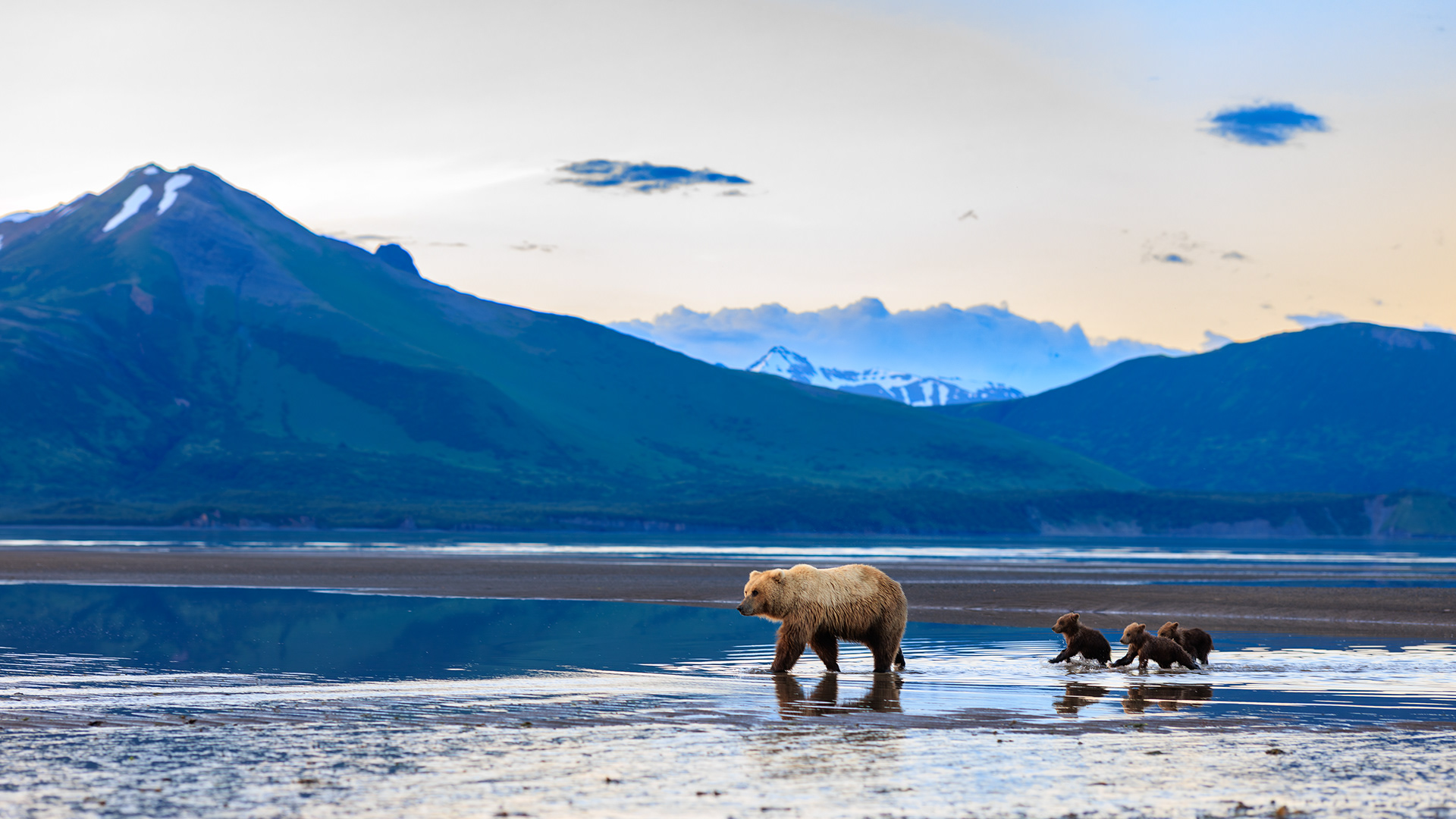
Photo generously donated by Aditya Datta.
The attorneys who represented AWA in this case did so entirely pro bono, working for years without a dime in payment. We are grateful that the State is ordered to re-pay them for their time defending wildlife and Alaska’s Constitution. AWA, as an organization, does not receive compensation for winning this case, so we thank every member who donated to support our staff and administrative costs to make this possible. Your generosity gave us the capacity to watchdog wildlife management in Alaska, bring this case (and others like it) to bear, and mobilize voices for wildlife across the state.
The first lawsuit against the State has officially been closed, after AWA’s historic win and the recently announced payout. AWA filed a new lawsuit against Mulchatna bear control in November 2025, and the lawsuit is currently moving through the court system. Stay tuned for updates and help support the fight for Alaska’s bears here.
The best way you can support our work is by becoming a member. You can also start a peer-to-peer fundraiser to support our work. Thank you for supporting Alaska’s bears!
