

Documenting Alaska’s first aerial bear control program - “That day, I was not proud to be an Alaskan.”
Documenting Alaska’s first aerial bear control program - “That day, I was not proud to be an Alaskan.”
The State has started its fourth year of gunning bears from planes and helicopters.
Last year, AWA got curious about Cook Inlet fish stock trends and research gaps, recognizing that this information could be key to understanding beluga prey availability. Check out the resulting research and report here!
On October 14th, Superior Court Judge Christina Rankin affirmed her finding that the Alaska Department of Fish and Game acted in bad faith when they shot 11 bears from the air this spring.
On June 6, the State released a public notice that the Board of Game has proposed to adopt regulation changes to the 2011 Mulchatna wolf predator control program that would allow ADFG to also aerially gun black and brown bears.
The Alaska Department of Fish and Game is proposing permitting wheel plane landings at McNeil River Sanctuary to change visitor access, prioritizing questionably safe air taxi scheduling over the protections for bears the Department is obligated to uphold. Learn how you can speak up for McNeil’s bears.
On June 6, the State released a public notice that the Board of Game has proposed to adopt regulation changes to the 2011 Mulchatna wolf predator control program that would allow ADFG to also aerially gun black and brown bears.
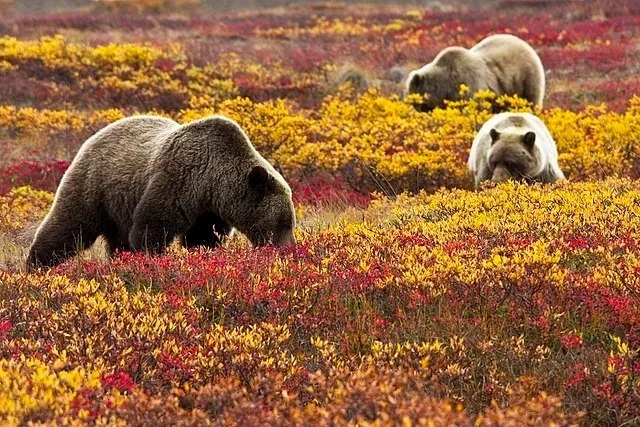
This January, the Alaska Board of Game (BOG) will deliberate on nearly 200 proposals impacting wildlife, including Proposal 75, which was submitted by the Alaska Department of Fish and Game (ADFG). ADFG has proposed sweeping aerial gunning on wolves and bears on the west side of Cook Inlet, between Denali National Park and Lake Clark National Park.
Sign up for the AWA newsletter to receive action alerts, as well as learn about events, educational opportunities, and ways you can help protect Alaska's wildlife.

You can make a difference. Help save Alaska's wildlife by lending your voice to one of our campaigns or by donating to support AWA conservation efforts.