Wildlife Wins: Inside the 2026 Board of Game Season
Every year, Alaska Wildlife Alliance works hard to advocate for science-based, ethical wildlife management at the Board of Game meetings. The Alaska Board of Game is tasked with setting hunting and trapping regulations in Alaska each year, which the Alaska Department of Fish and Game (ADFG) then implements. Proposals are submitted by the public, organizations, and ADFG, and are then deliberated and voted upon during the Board meetings.
In 2026, the Board deliberated on proposals for Southeast and Southcentral Alaska. Throughout the Board cycle, AWA staff reviewed proposals and submitted public comments. We also attended both meetings, traveling to Wrangell and Kodiak to meet with stakeholders and user groups and testify for Alaska’s wildlife.
Advocating at the Board of Game is especially critical right now. Recent Board of Game decisions, including aggressive predator control programs like Mulchatna Bear Control, highlight an ongoing tension between short-term game production goals and the broader health of Alaska’s ecosystems during a changing climate, as well as the politicization of the process and the dismissal of science.
By continuing to show up at the Board of Game year after year, AWA ensures that Alaska’s wildlife has a voice in its management and is valued for its intrinsic worth. Read on to learn about the biggest wins for wildlife we helped secure this year!
Biggest Wins for 2026 Board of Game Season
1. Trapping closures to help with beaver restoration.
Beaver trapping was closed in the Anchor River on the Kenai Peninsula, creating an opportunity for us to research beaver restoration as a climate solution with our partners! We’re hoping to use the trapping closure to work with local organizations and ADFG to restore beavers to the Anchor River and quantify how they can help keep Kenai peatlands from drying, mitigating wildfire risk and creating habitat for moose and fish. Stay tuned this summer as we continue our fieldwork!
2. More ethical hunting and trapping rules.
Wounded animals now count toward bag limits in some areas, including black bears on JBER military base and mountain goats in Southeast, in line with ethical hunting practices.
A proposal to allow same-day airborne hunting for mountain goats in Southeast failed, protecting “fair chase” standards.
The use of night vision/FLIR devices to take furbearers (which was passed statewide in 2025) was restricted during deer seasons in the Southeast to reduce the risk of poaching. A proposal to prohibit night vision/FLIR on Kodiak failed, despite widespread opposition to the devices.
50-yard trapping setbacks were added to some Kenai roads and pullouts to reduce the risk of dogs becoming stuck in traps.
3. Reduced pressure on bears in Southcentral.
The bear hunting season on the Kenai Peninsula was shortened by 15 days to help reduce the number of females killed in the spring, while a proposal to extend the bear hunting season in the Anchorage area failed.
A proposal to double the resident black bear bag limit in Prince William Sound failed. Since the opening of the Whittier Tunnel in 2000, bear harvests have more than tripled, and the hunting pressure is the highest it's ever been. ADFG does not know the population of black bears in the Sound, and is concerned about the increasing harvest.
4. Caution for Intensive Management decisions.
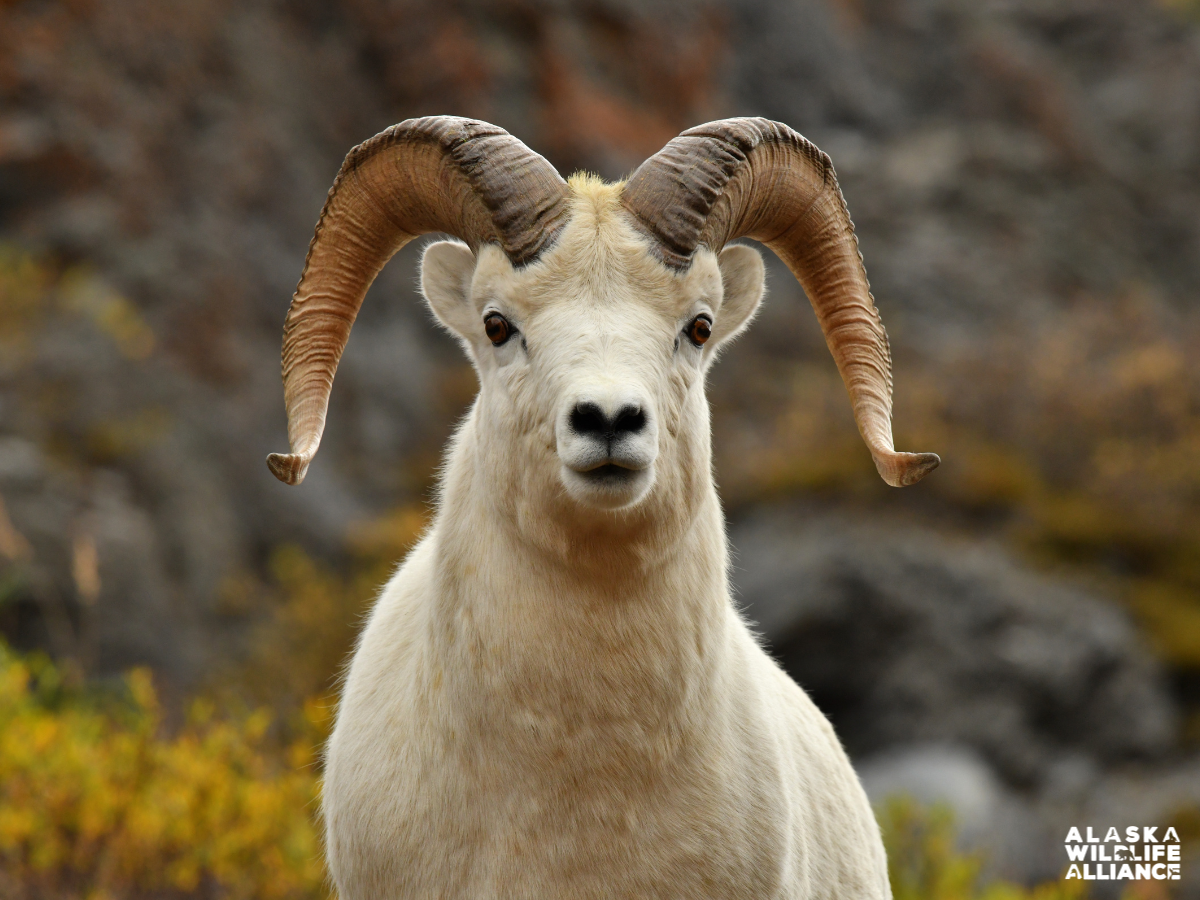
Sheep Intensive Management (IM) decisions, such as establishing historic harvests, were delayed after broad opposition. In 2025, the Board made it possible for predator control to be authorized on animals that prey on Dall sheep. AWA opposed this decision for many reasons, notably because statewide sheep declines are attributed to changing winter weather and habitat, not predation. This year, the Board was moving forward on the regulatory steps to establish potential predator control programs, but postponed them due to broad, renewed opposition from hunting groups, sheep conservation groups, scientists, and AWA. Any sheep Intensive Management proposals are now postponed until 2028.
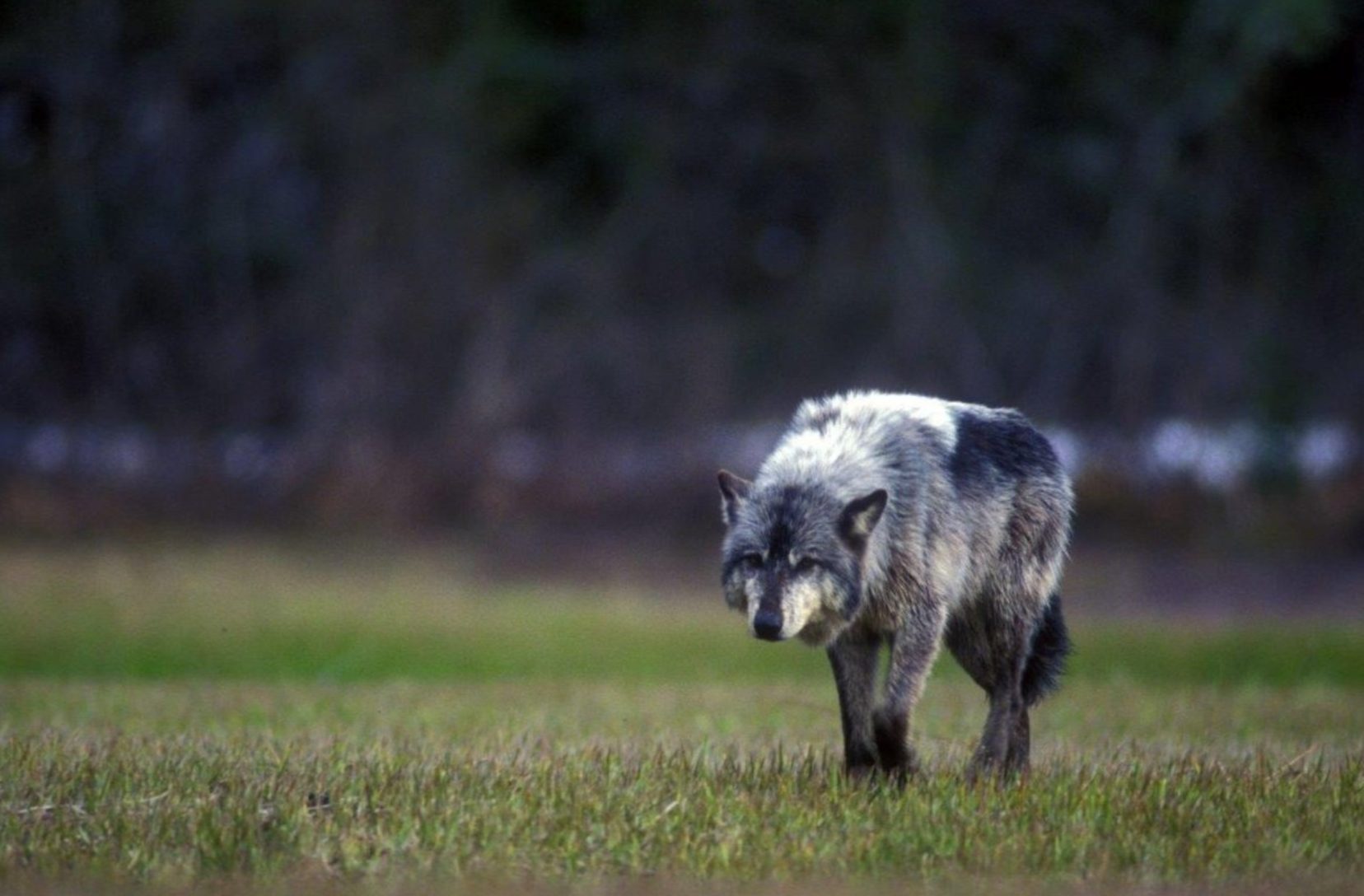
Alexander Archipelago wolves were not added to the Intensive Management plan for the Prince of Wales. While the deer population has been declining, the Board acknowledged that it was due to loss of habitat, rather than predators.
The Board also followed AWA’s recommendation when they voted to raise the population objective for genetically distinct Alexander Archipelago wolves, acknowledging that the population is becoming interbred due to it’s isolation.
What You Can Do to Help in 2027
At its heart, the Board of Game is a public process that needs input from wildlife advocates like you. From writing proposals to submitting comments to testifying, you can help ensure that Alaska’s hunting and trapping regulations reflect the broad public interest in protecting Alaska’s wildlife for future generations.
Interested in getting involved in the next Board of Game cycle? Check out our YouTube video to learn more about the process, and sign up for our newsletter to receive Action Alerts for public comments!
