Lawsuit Challenges Trump’s Massive Public Lands Giveaway
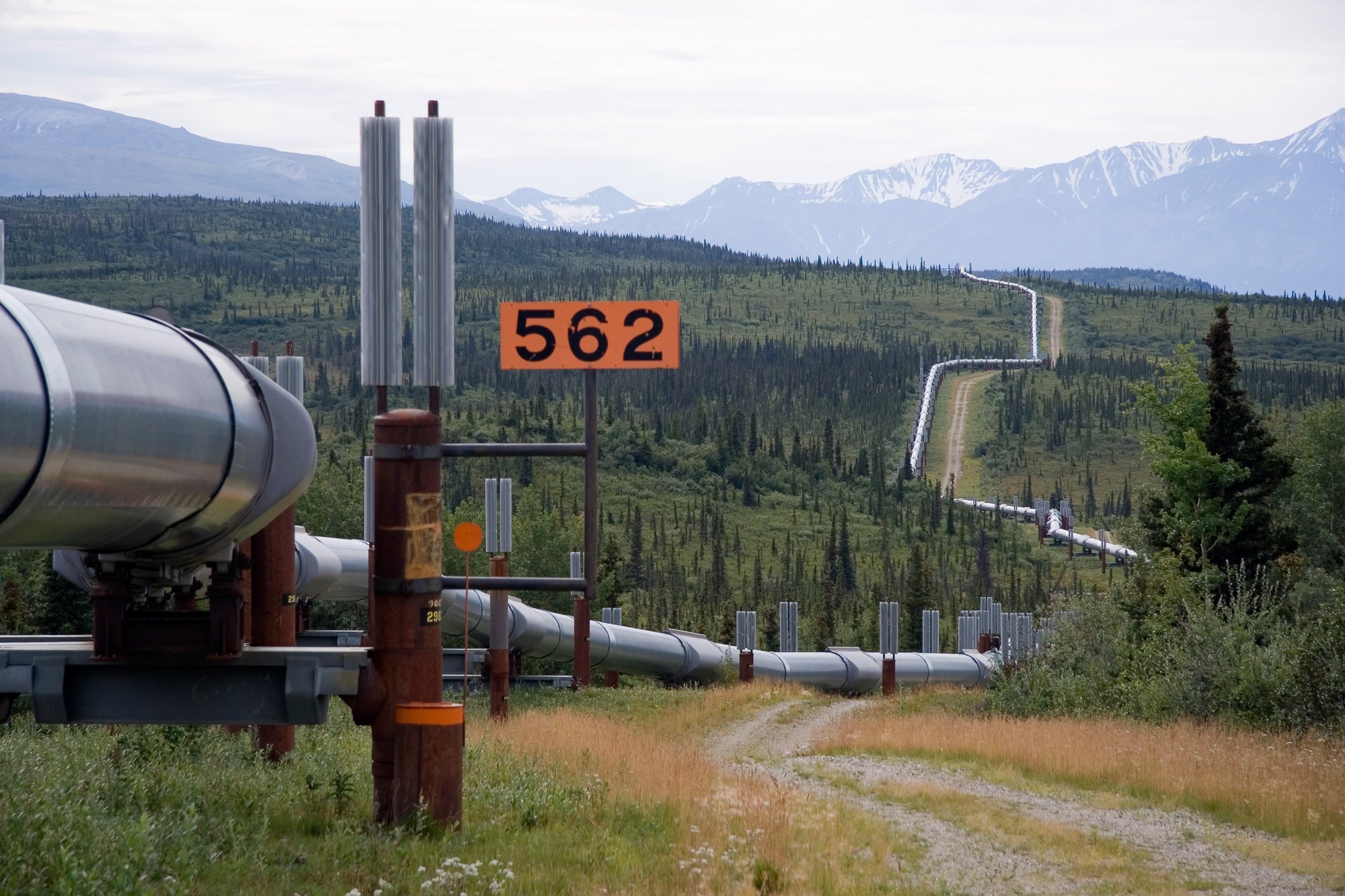
This week, Alaska Wildlife Alliance joined Alaskan and national groups represented by Trustees of Alaska to sue the Interior Department for unlawfully removing federal protections over public lands in an area stretching from the Yukon River to the Brooks Range. These lands had been protected for over 50 years and subject to federal oversight that was intended to ensure Arctic health and a stable corridor for the Dalton Highway and Trans-Alaska Pipeline.
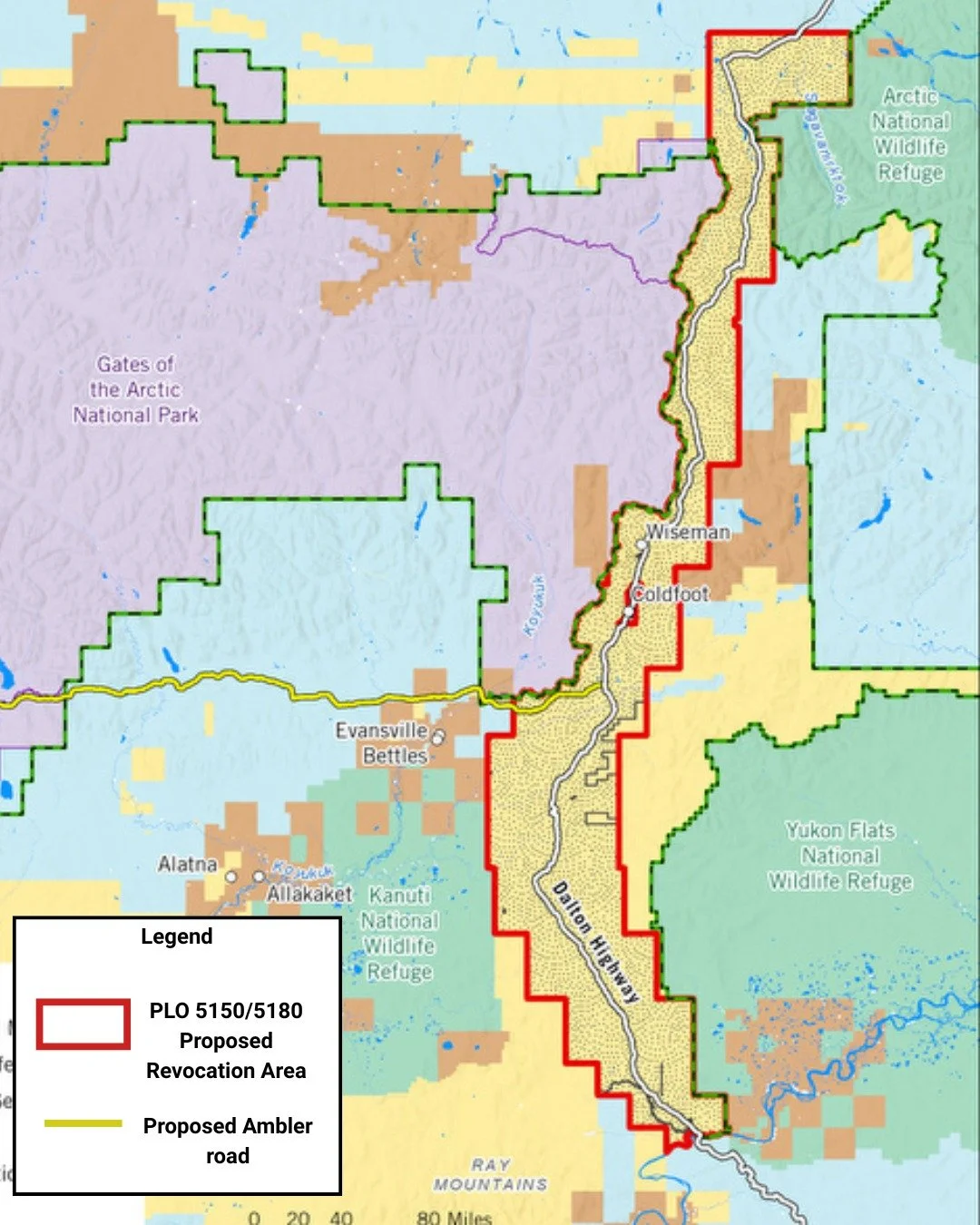
The removal of federal protections will make way for a takeover of these lands by the State of Alaska, opening them for mining claims and other activities, such as the proposed Ambler Road. Transferring these lands to the State of Alaska would lower the bar for protecting subsistence and mitigating impacts when permitting extractive projects. This decision removes vital protections for subsistence users who depend on the area for their way of life.
“The Dalton Corridor is not an empty stretch of tundra waiting to be exploited,” said Nicole Schmitt, executive director of Alaska Wildlife Alliance. “It is a vast ecosystem spanning boreal forest, Arctic mountains, and high Arctic tundra. These ecosystems support the migration of the Western Arctic Caribou Herd, along with salmon-bearing rivers, Dall sheep lambing grounds, habitat for grizzly bears, wolves, and countless other species, as well as subsistence hunting grounds for Alaska Native communities. "
"The current administration has been clear in its intent to open federal lands to extraction industries. Opening 2.1 million acres of the Dalton Corridor to mining claims also sets a dangerous precedent for revoking Public Land Orders that protect federal lands. If the land grab proceeds, it could become a playbook for federal lands across Alaska and the West to be opened to energy and mineral development.”
The lawsuit, filed in the U.S. District Court in Anchorage, asserts that agencies violated the Alaska Native Claims Settlement Act, the Alaska National Interest Lands Conservation Act, the Federal Land Policy and Management Act, and the National Environmental Policy Act by failing to meet legal obligations to protect land, wildlife, waterways, subsistence use, and communities.
