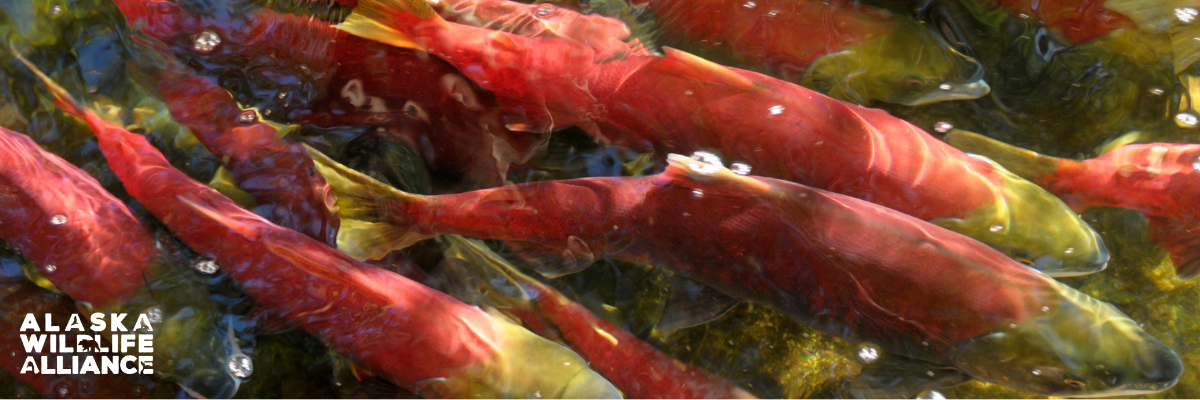
Cook Inlet Fisheries At A Glance
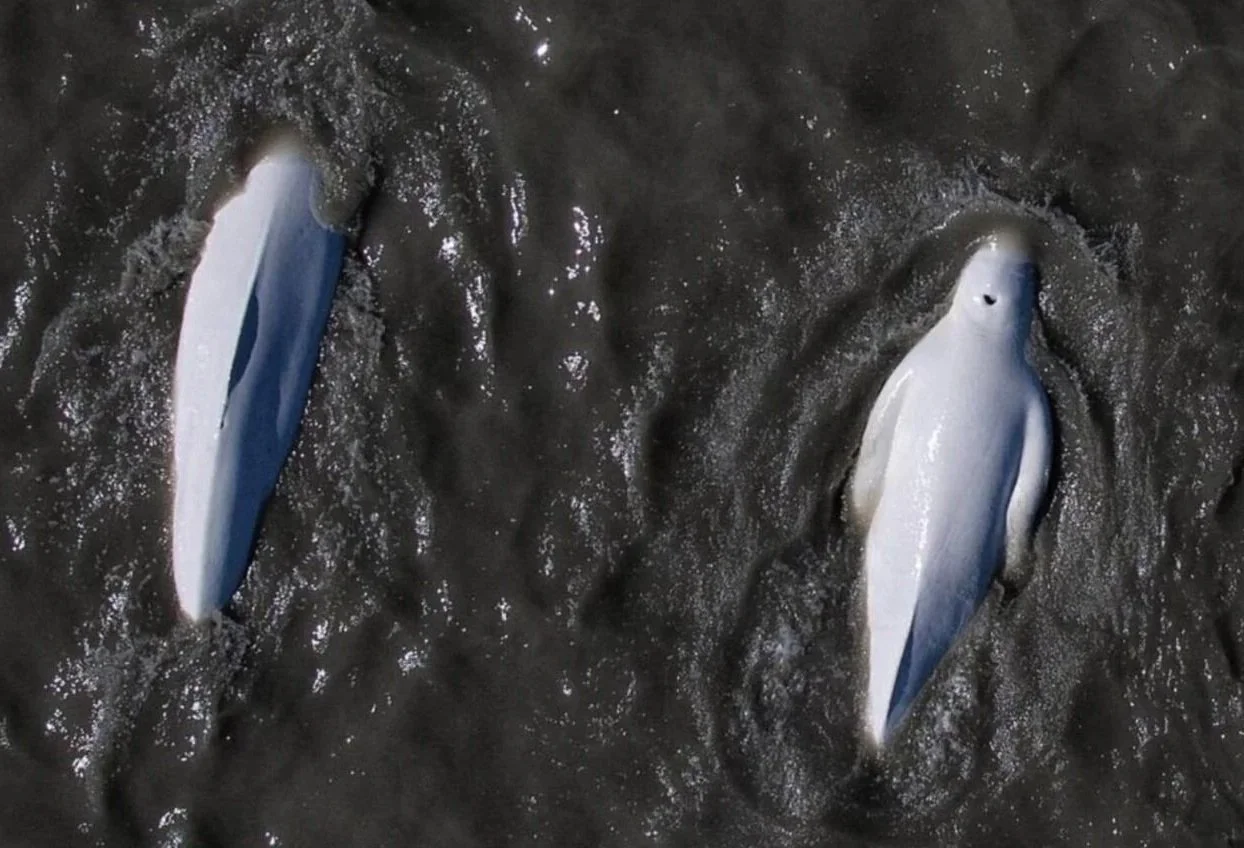
Cook Inlet belugas are a distinct population that has declined by about 75% since 1979, from roughly 1,300 whales to around 300 today. Despite beluga harvest closures since 2005 and endangered status since 2008, recovery has been limited, suggesting ecological constraints. NOAA has identified “reduction in prey” as a threat to Cook Inlet belugas, and recent scientific publications have concluded that if these belugas have enough food, they can better withstand the other threats they face.
Cook Inlet belugas depend on healthy fish populations, including salmon, eulachon, cod, and shrimp; many of these species are also important to Cook Inlet fisheries. As top predators, belugas can reflect long-term changes in fish abundance, quality, and distribution, and their population trends serve as an indicator of overall fish and ecosystem health in Cook Inlet. When belugas struggle, it may signal broader challenges facing the Inlet’s fish populations.
AWA has already worked hard to secure more eulachon for belugas during their spring feeding season, and is continuing to support research to understand the contaminants in Cook Inlet that could be affecting belugas and their prey. Last year, we also got curious about Cook Inlet fish stock trends and research gaps, recognizing that this information could be key to understanding beluga prey availability and possible reduction. AWA, along with the Environmental Investigation Agency and Defenders of Wildlife, supported research and a literature review by fisheries biologist William Bechtol of current Cook Inlet fisheries trends, as well as fish species' life cycles.
The results of that research have been turned into a seven-page report, Cook Inlet Fisheries at a Glance, which you can find below. In it, you’ll find research highlights such as:
Commercial salmon harvest numbers and trends from 1971 to 2025.
The life cycles of all five Pacific salmon species in Cook Inlet.
Personal use harvest numbers of eulachon for the last 20 years.
Information on herring, gadids, and flatfish populations.
Effects of human activities on Cook Inlet water quality and fish populations.
Key research gaps and recommendations for future research.
We are currently working to distribute the report to interested organizations and parties. If this research helps you or your organization, we’d love to hear about it. We also have physical copies available by request, and are available to present our work. Please reach out to chelsey@akwildlife.org with any questions.
