Southeast Alaska
Why the Tongass is Vital to Alaska’s Wildlife
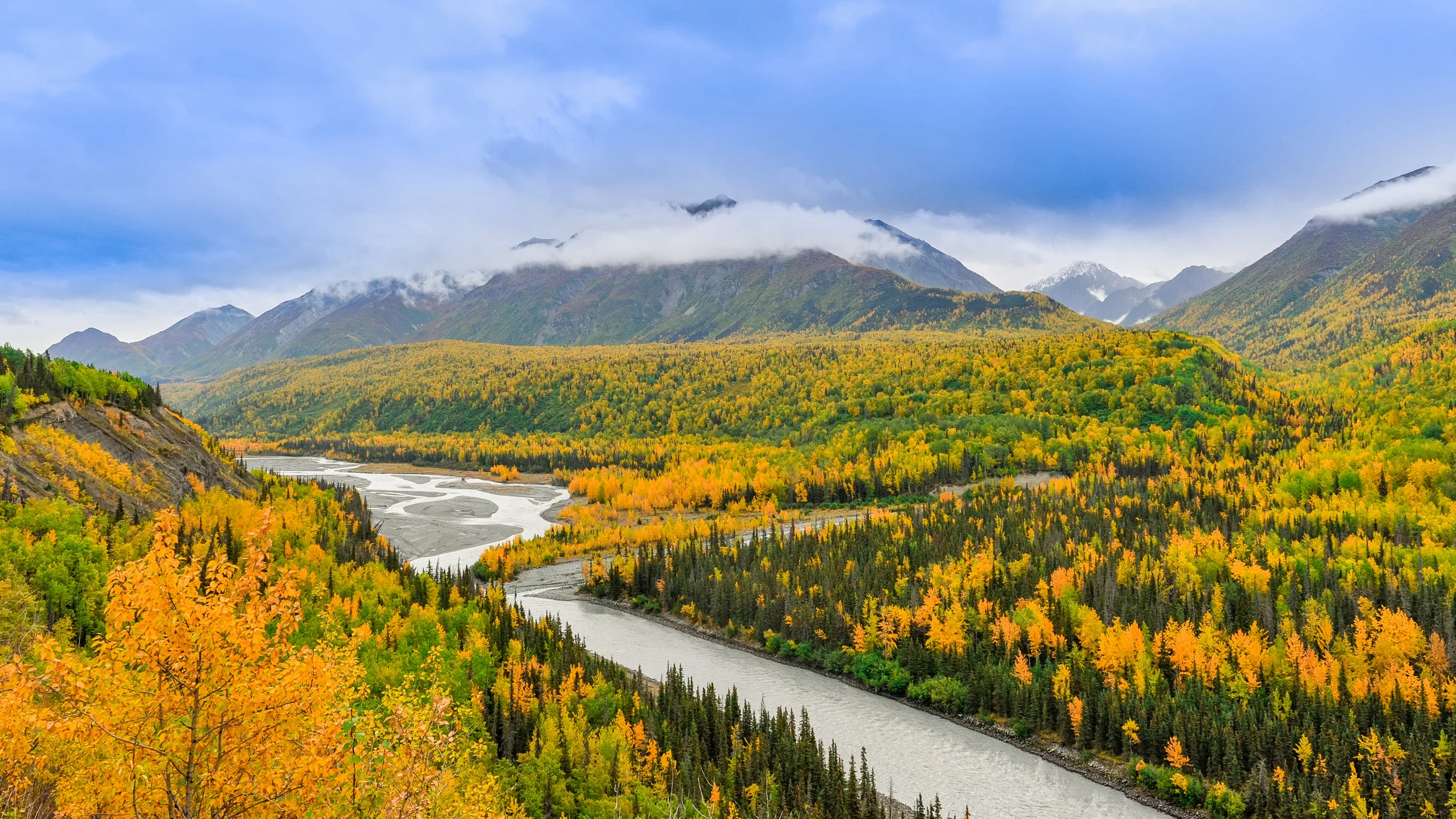
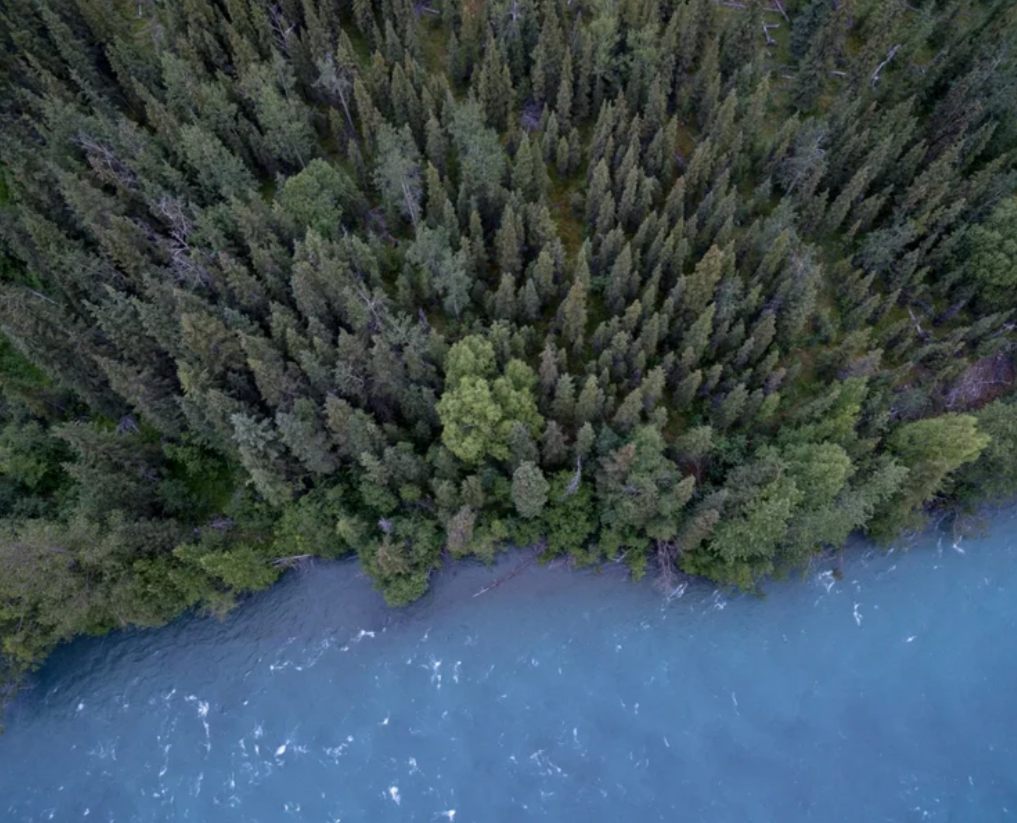
The Tongass National Forest in Southeast Alaska is the world’s largest intact coastal temperate rainforest, covering 16.7 million acres. It is also the largest U.S. National Forest, and has been continually inhabited by Alaska Natives for over 10,000 years. The forest is the traditional homeland of the Tlingit, Haida, and Tsimshian peoples, and the name Tongass is a transliteration of Taant'a Ḵwáan, a territory of the Tlingit people that includes Kichx̱áan, also known as Ketchikan.
The region is renowned for its old-growth trees (some over 800 years old!), abundant brown bears, massive salmon runs, and the highest concentration of bald eagles on earth.
Key Facts About the Tongass
Home to 70 percent of the wildlife species found in Alaska, and 40 percent of the bird species.
Drained by over 19,000 miles of streams and rivers, many sustaining immense populations of salmon.
Stores about 20 percent of all carbon sequestered in the entire national forest system.
Wildlife of the Tongass
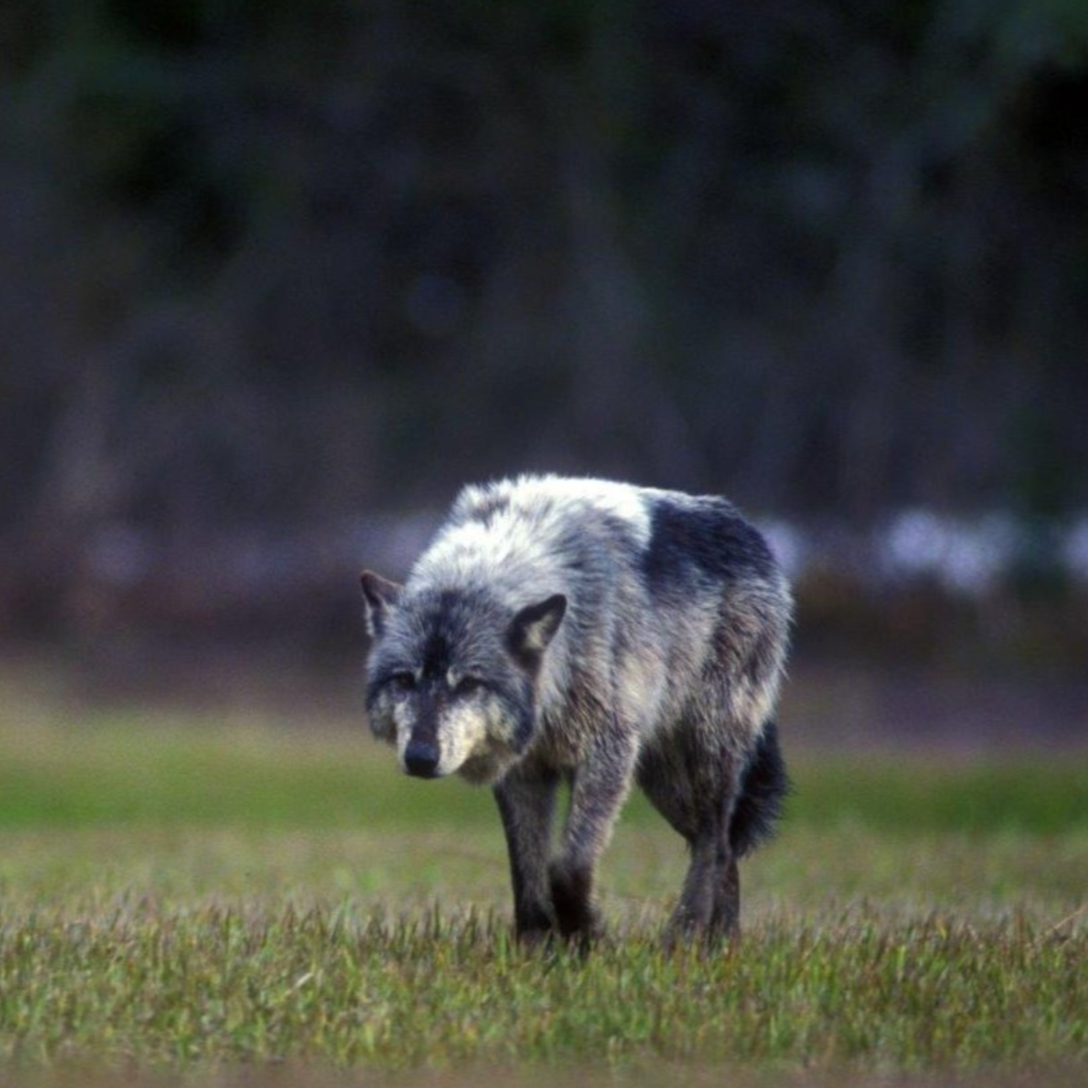
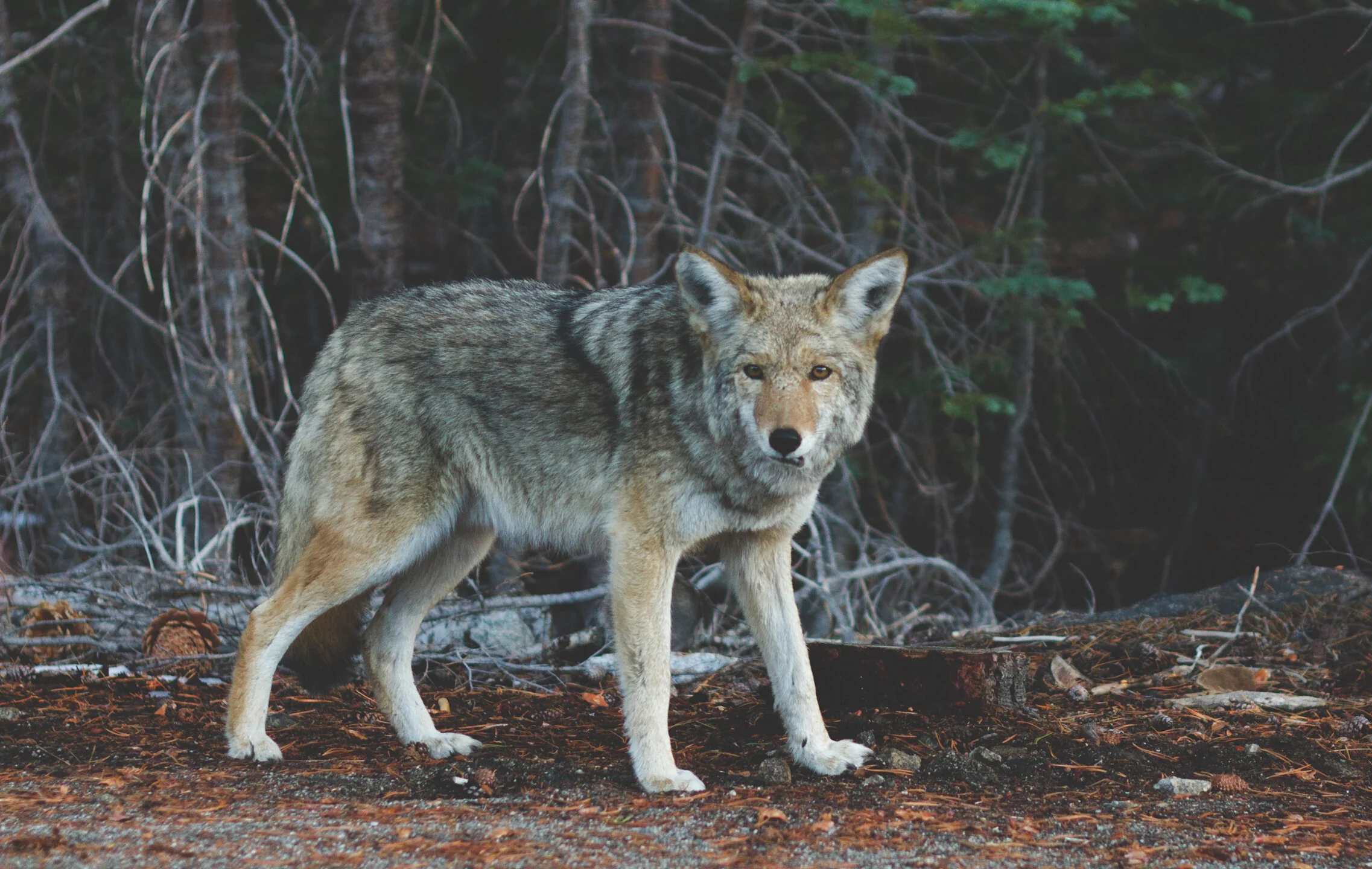
Alexander Archipelago WOlves
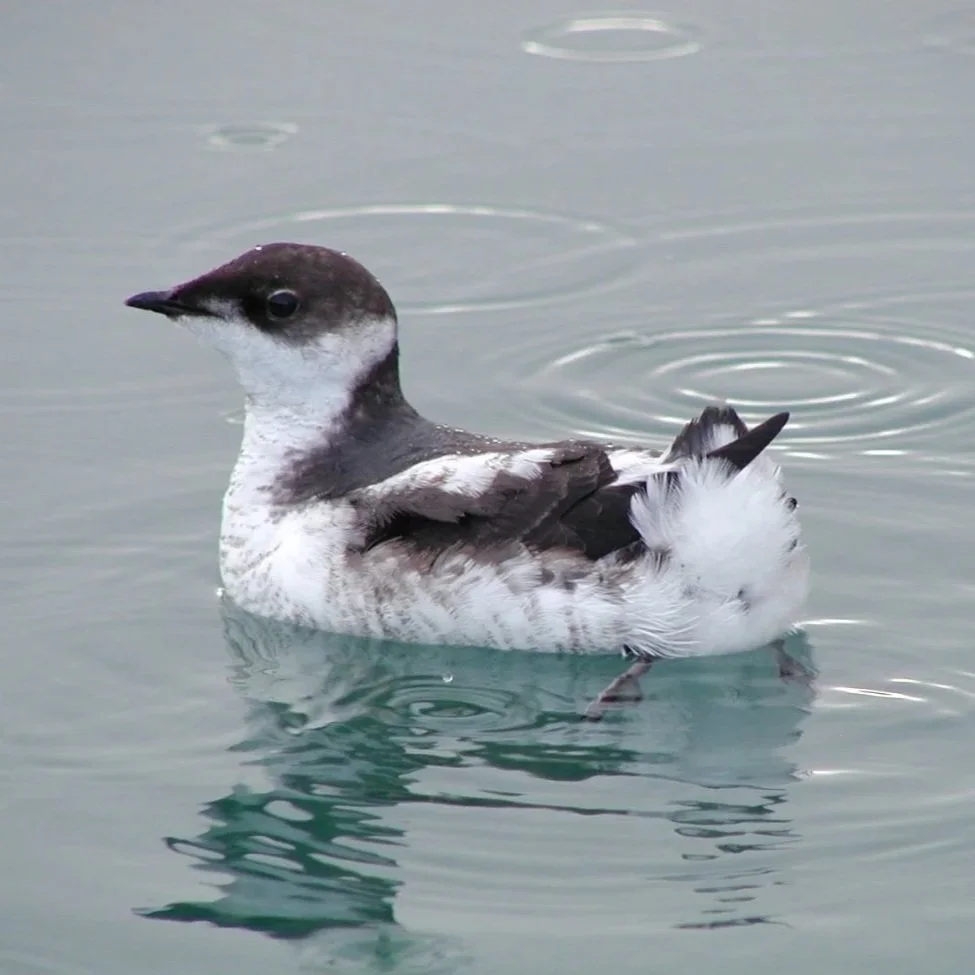
Marbeled Murrelet
Threats and Concerns
The Tongass is home to some of the richest wildlife habitats in North America, but many of the species that depend on the rainforest are \vulnerable to environmental change and human activity. Old-growth logging removes the large trees, dense canopy, and forest floor habitat that animals rely on for shelter, nesting, and food. Species such as the Alexander Archipelago wolf, Sitka black-tailed deer, northern goshawk, and the marbled murrelet are especially affected when forests become fragmented by roads and clear-cut areas.
Declining salmon populations also have widespread consequences throughout the ecosystem. Salmon are a vital food source for bears, bald eagles, otters, and countless other species. When warming waters, habitat destruction, or pollution reduce salmon runs, the effects ripple across the entire food web. Even the forest itself is impacted, as salmon carry marine nutrients inland that help nourish plants and trees.
Climate change is further disrupting wildlife behavior and survival patterns. Warmer winters and changing seasonal cycles can alter migration, breeding, and feeding habits. Melting glaciers and changing rainfall patterns threaten freshwater habitats that many fish and amphibians depend on. Coastal species are also increasingly vulnerable to ocean warming and acidification, which can affect shellfish and marine food sources.
As industrial development and climate pressures continue to grow, conservation efforts are becoming increasingly important to protect the fragile balance between the Tongass rainforest and the wildlife that depend on it for survival.
Our Work in the Tongass
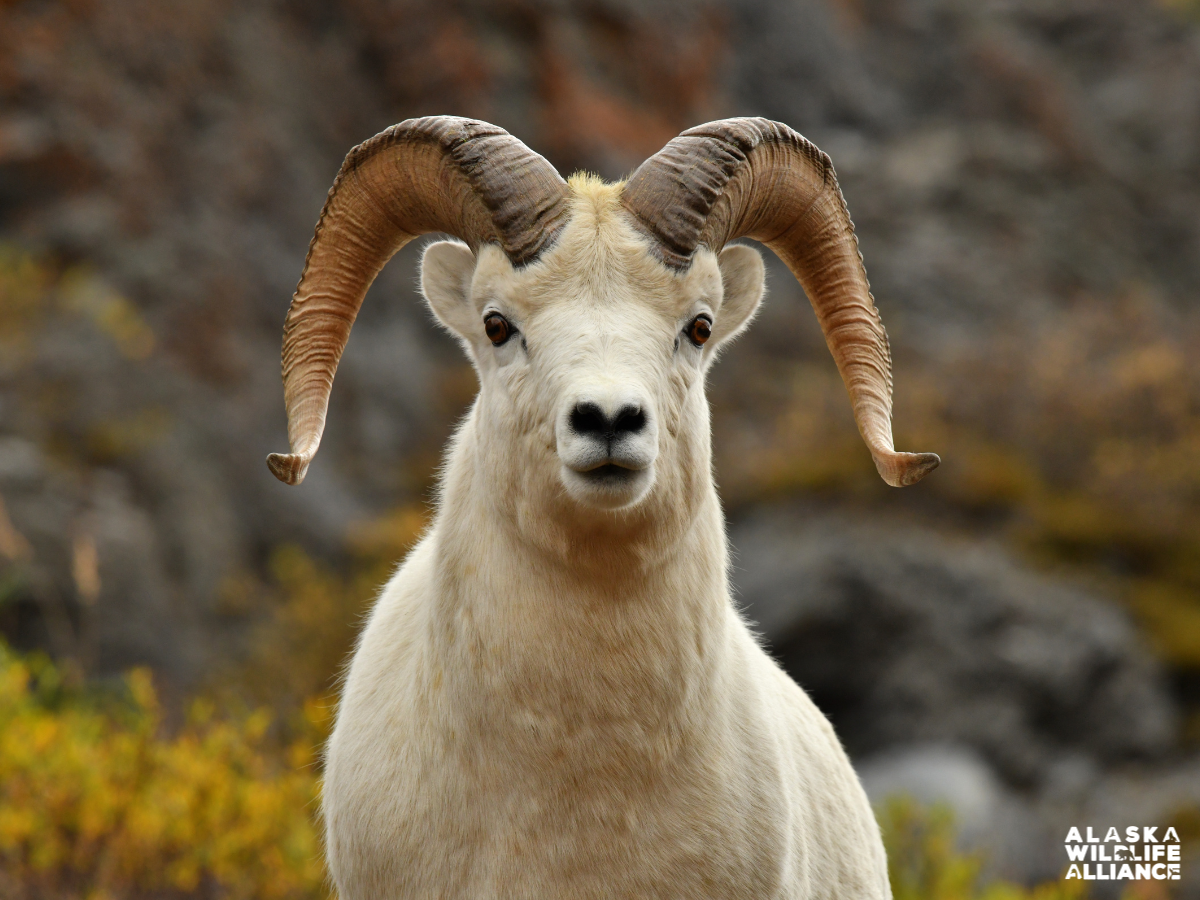
For the past several months, Alaska Wildlife Alliance has been advocating for science-based, ethical wildlife management at the Board of Game meetings. Read on to learn about our biggest wins for wildlife in the 2026 Board of Game season!
Learn what did (and did not) happen at the Southeast Board of Game Meeting.
Today, the courts heard oral arguments for two of our wildlife lawsuits concerning Polar Bear and Alexander Archipelago wolves.
Bears, wolves, public trails: Summary of 2023 Southeast Board of Game meeting
Our proposal and comments on behalf of wildlife, including Alexander Archipelago wolves, bears, seals, and more.
After two long years and multiple attempts by the State to dismiss this case, we are finally going to trial. This week, we are holding the State of Alaska accountable to their Constitutional obligations to manage Alexander Archipelago wolves sustainably.
Everything you need to know about the March 2021 special Board of Game meeting, including changes to wolf hunting and trapping on Prince of Wales island.
What habitats are fisher associated with in the area? How might they impact native species? Join Caitlin Kupferman, a research coordinator at the Savannah River Ecology Laboratory, as she discusses her research examining fisher occupancy, habitat associations, and competition with native species Southeast Alaska.
A summary of our recent lawsuit to protect Alexander Archipelago wolves on Prince of Wales Island, southeast Alaska.
165 of the 170 estimated wolves on Prince of Wales were trapped last year and still managers propose an upcoming trapping season. Our lawsuit seeks to suspend wolf trapping until the Alexander Archipelago wolf population rebounds.
Stay informed! We just sent our newsletter with the latest on AWA's actions to protect wildlife. Learn how to become a citizen scientist to protect endangered beluga whales, join our petition to close the lynx trapping season in Chugach State Park, support our efforts to save the last Alexander Archipelago wolves on Prince of Wales Island, and more. Sign up for e-newsletters at the bottom of this page to be the first to know!
Our petition to close the 2020-21 wolf hunting and trapping season on Prince of Wales Island
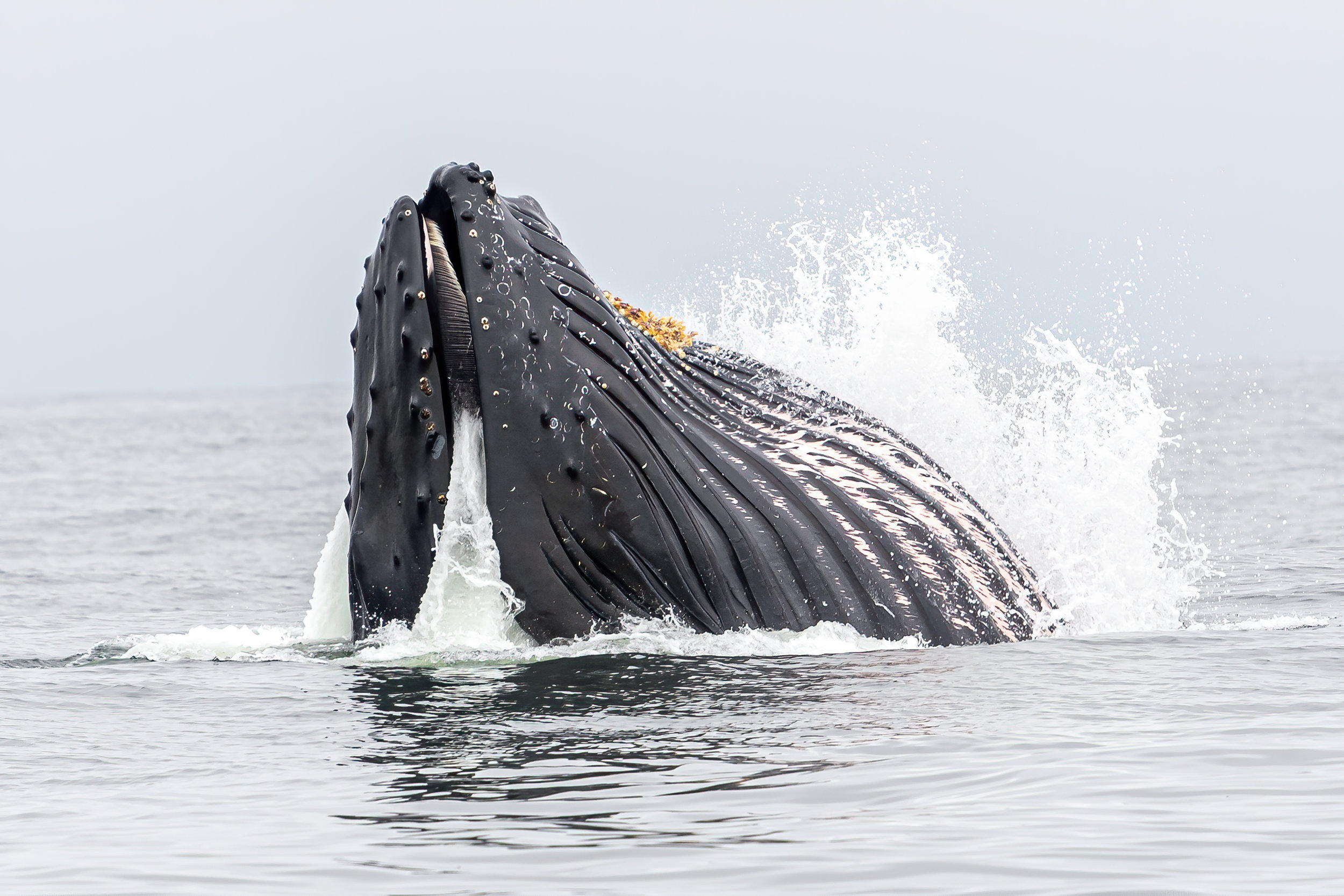
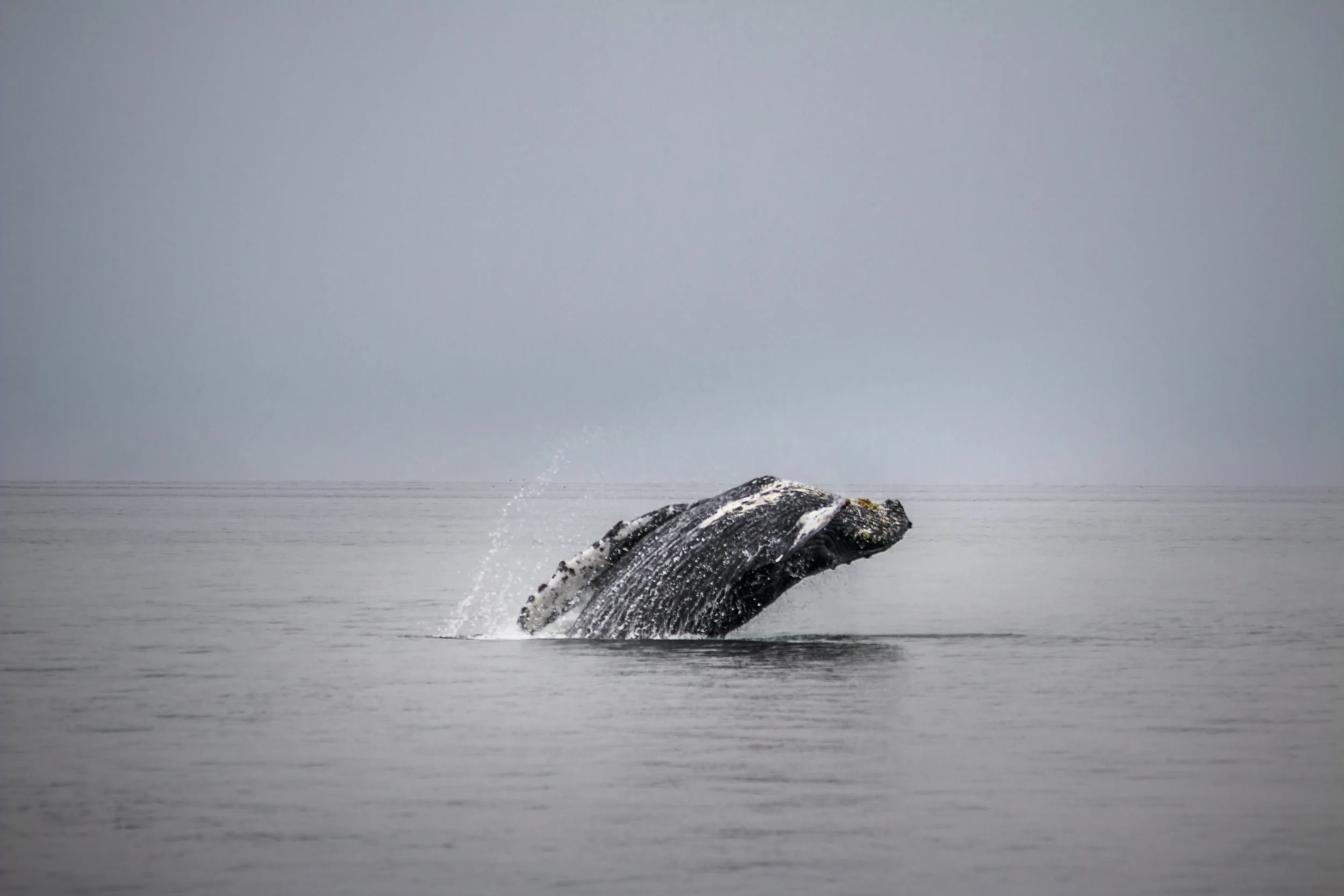
Watch our last Wildlife Wednesday to learn more about how hungry humpback whales bubble feed with efficiency!
165 wolves were trapped on Prince of Wales island, for which the last population survey estimate was 170 wolves.
Watch a video of our Wildlife Wednesday presentation on bear encounters with Abby McAllister!
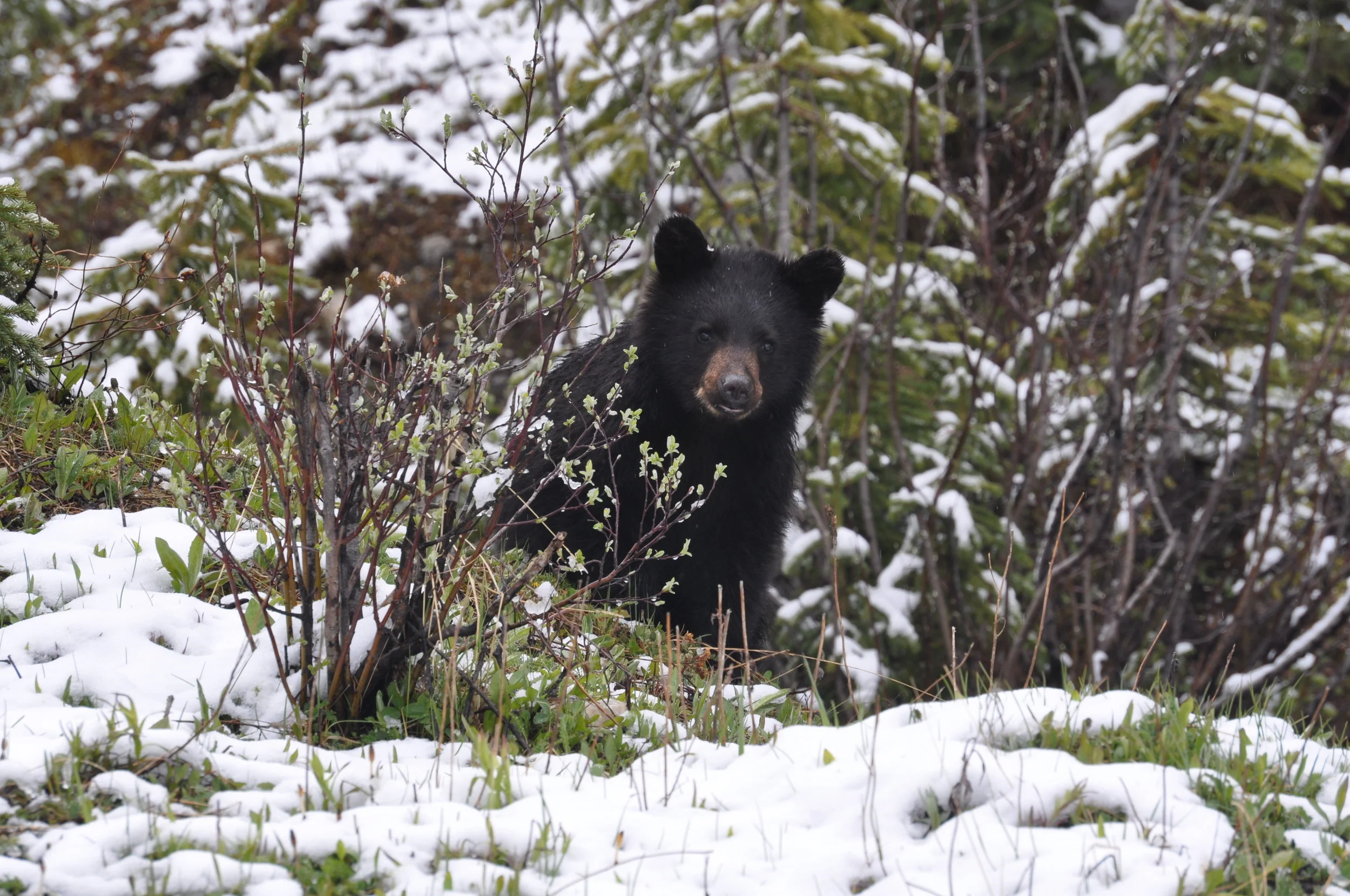
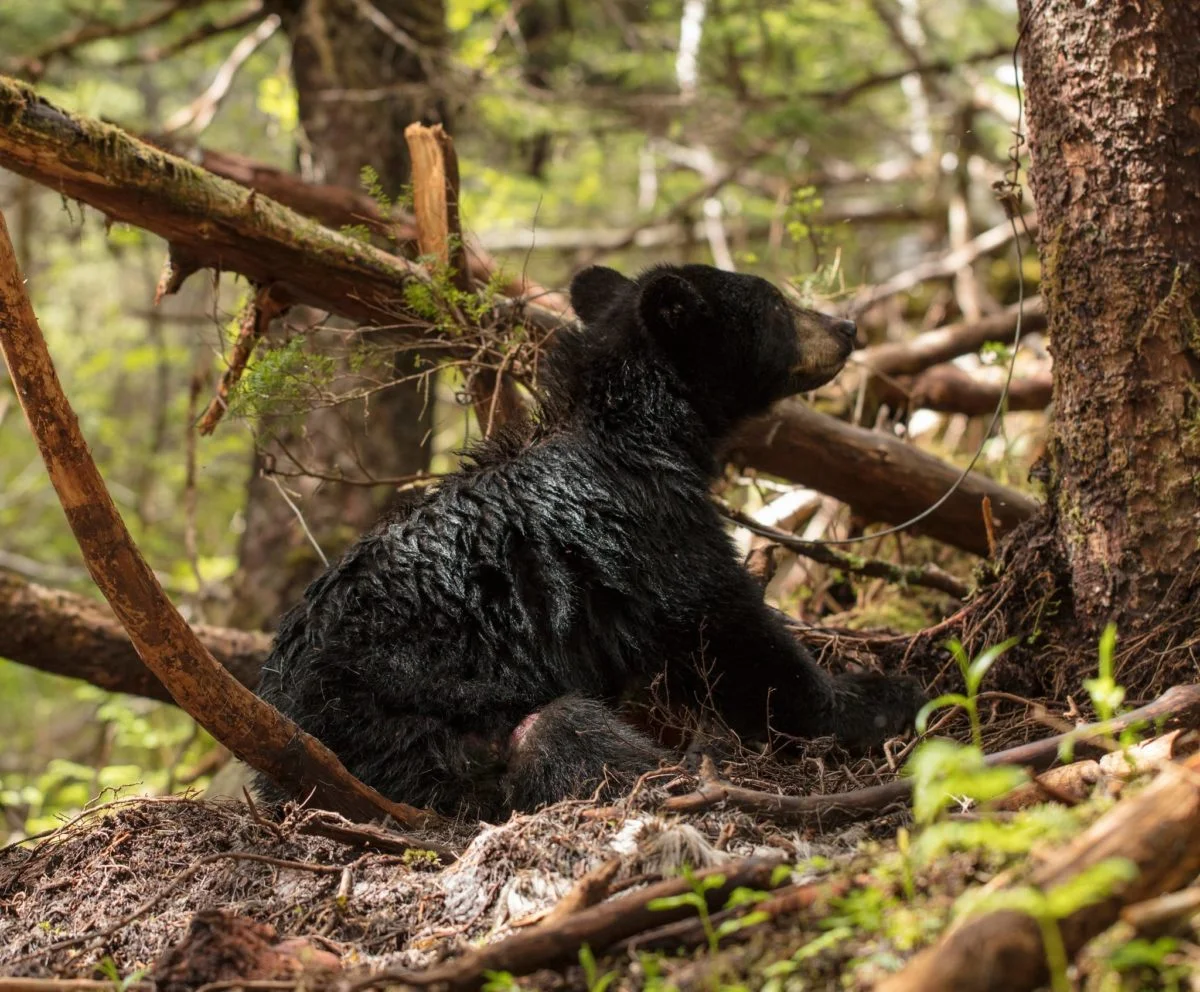
Watch this lecture on Yearling Black Bears in Transition to Independence by Ryan Scott!
Help us designate critical habitat for Distinct Population Segments of Humpback Whales. Take action by Jan 31st!
The latest wildlife news: Juneau trapping case, Chugach bear hunt, AWA annual fundraiser, and more!
Coverage of our October Juneau Wildlife Wednesday!
Justice in Juneau? Mark David Mitchell’s trail regarding illegal trapping on Douglas Island.

Bill Sherwonit’s piece on 2019/2020 Prince of Wales wolf overharvest