
Photo credit: Aditya Datta.
Alaska’s Bears
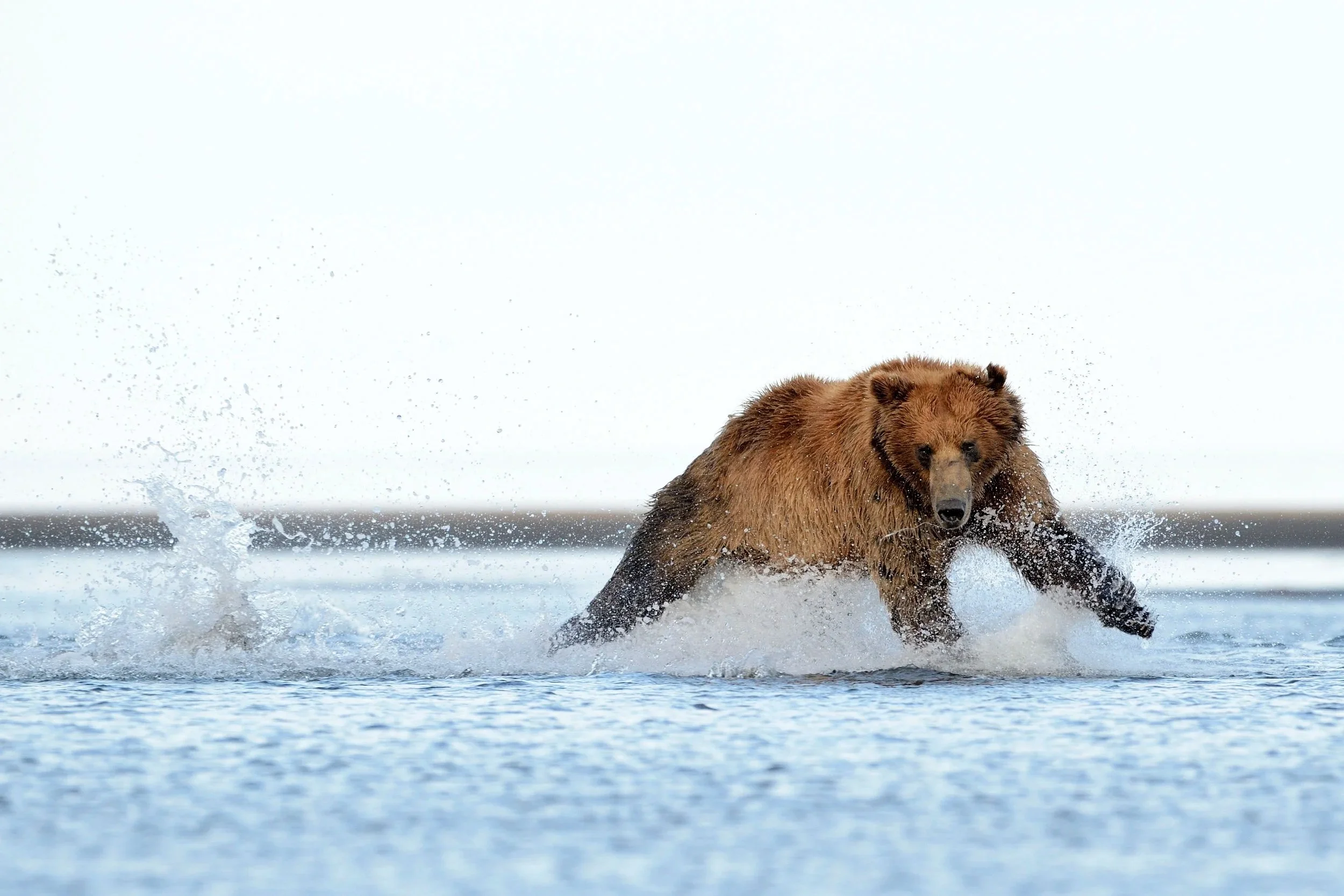
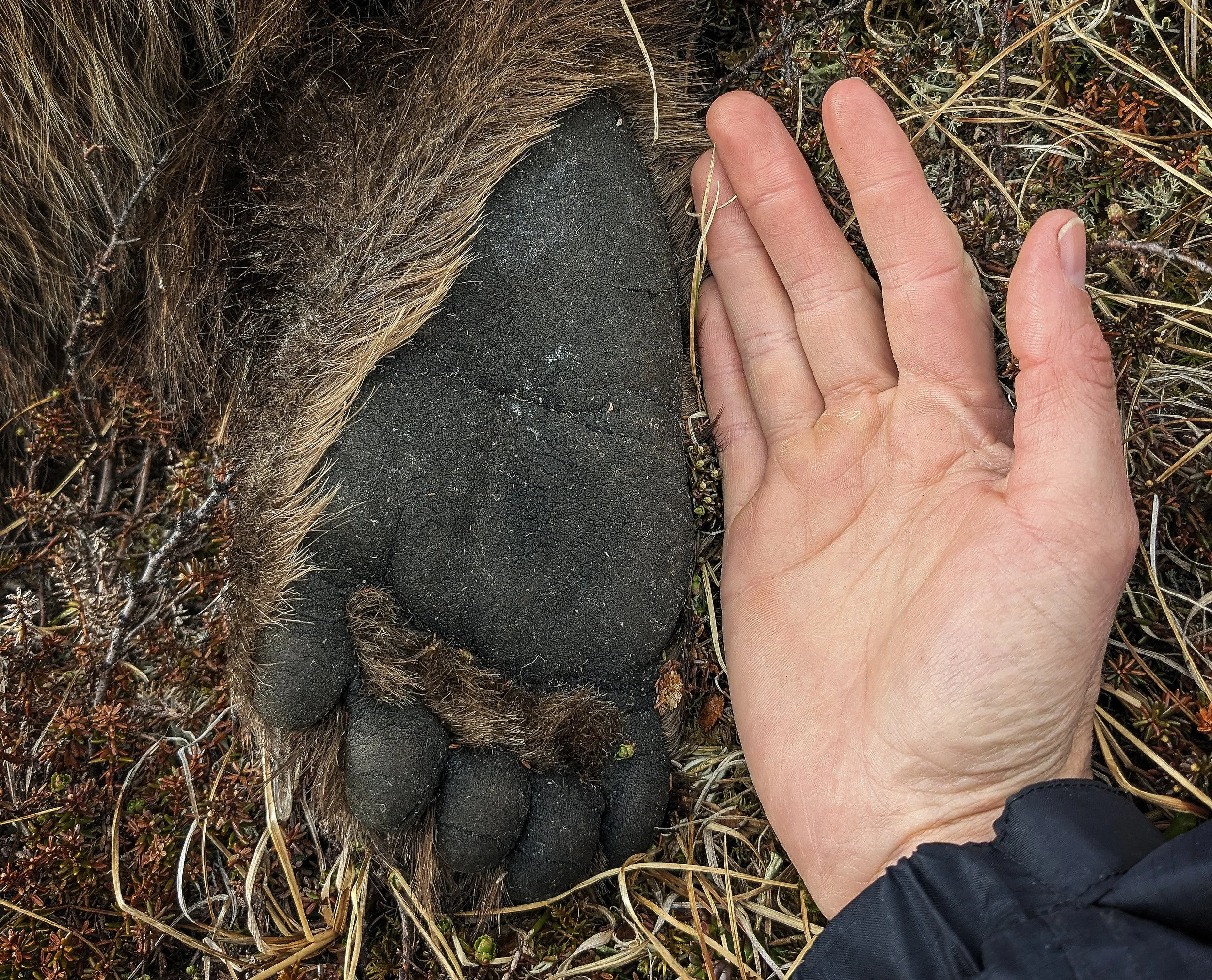
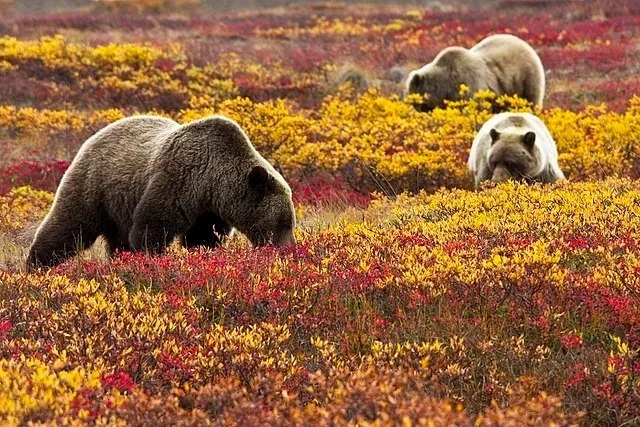
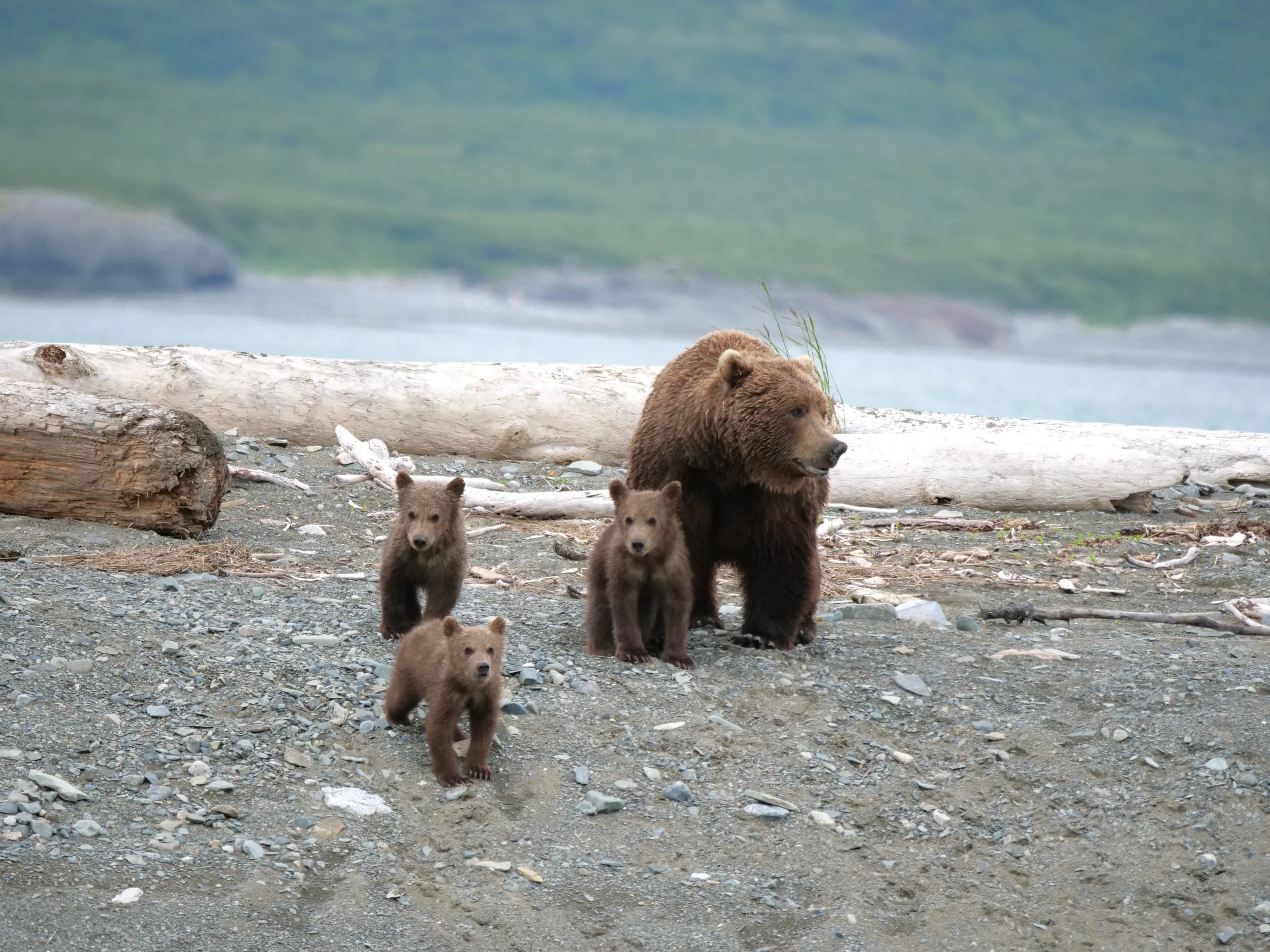
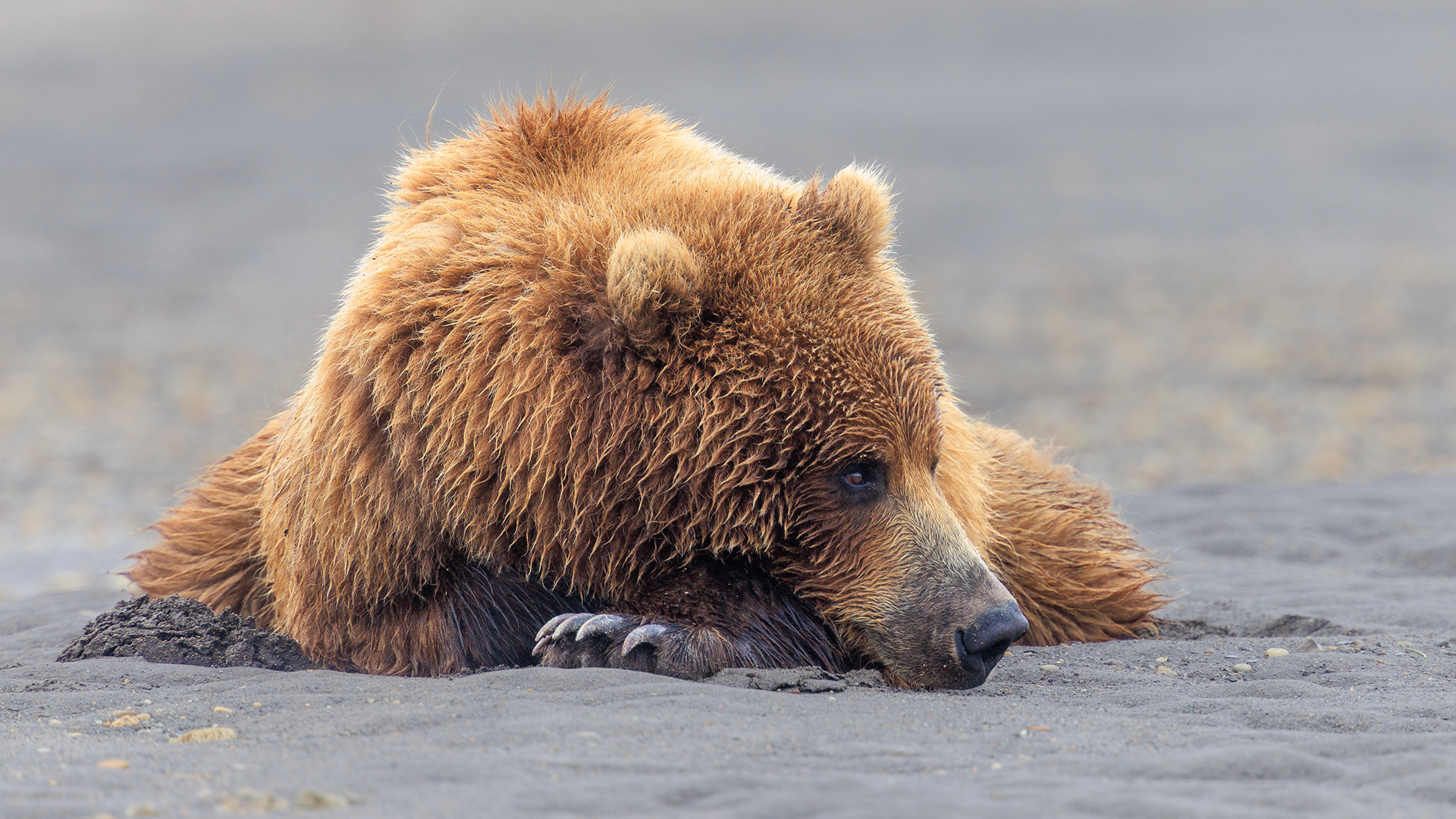
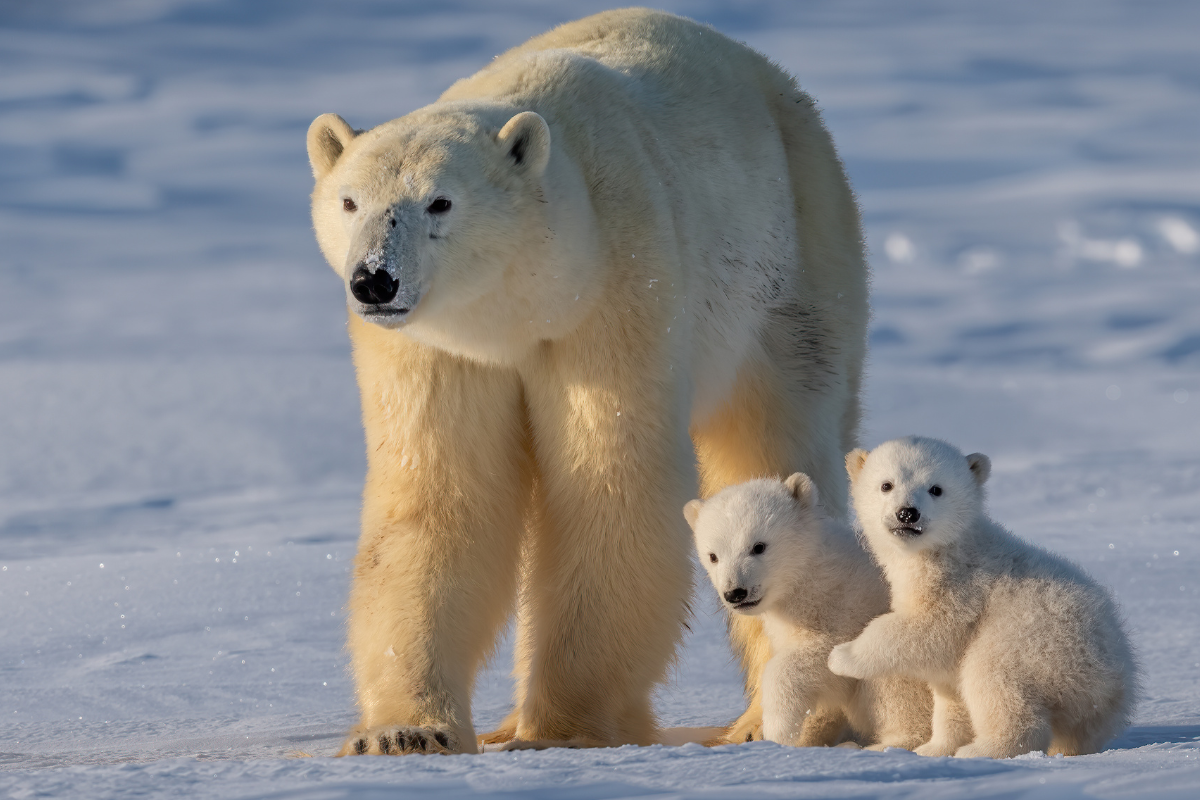
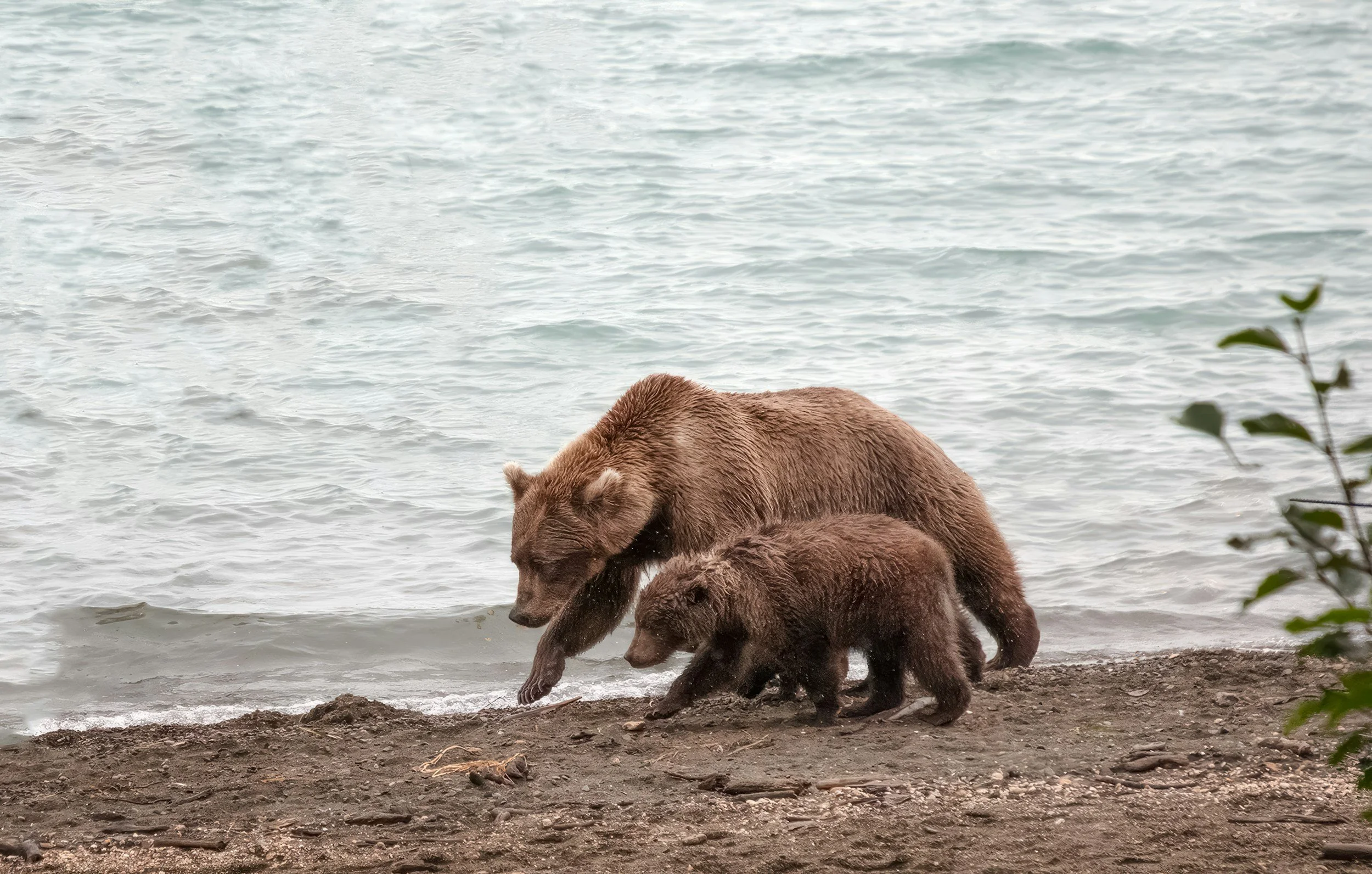
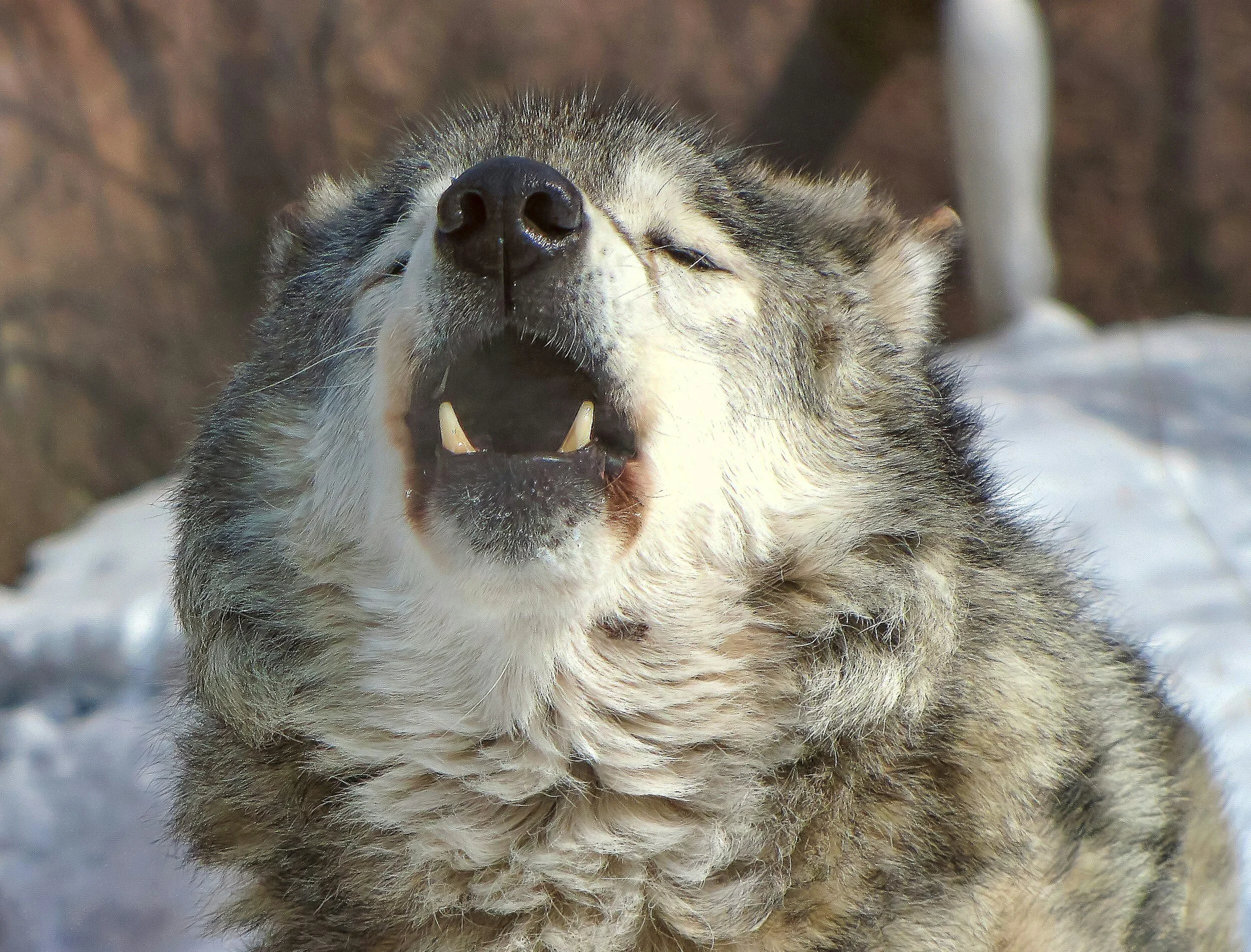
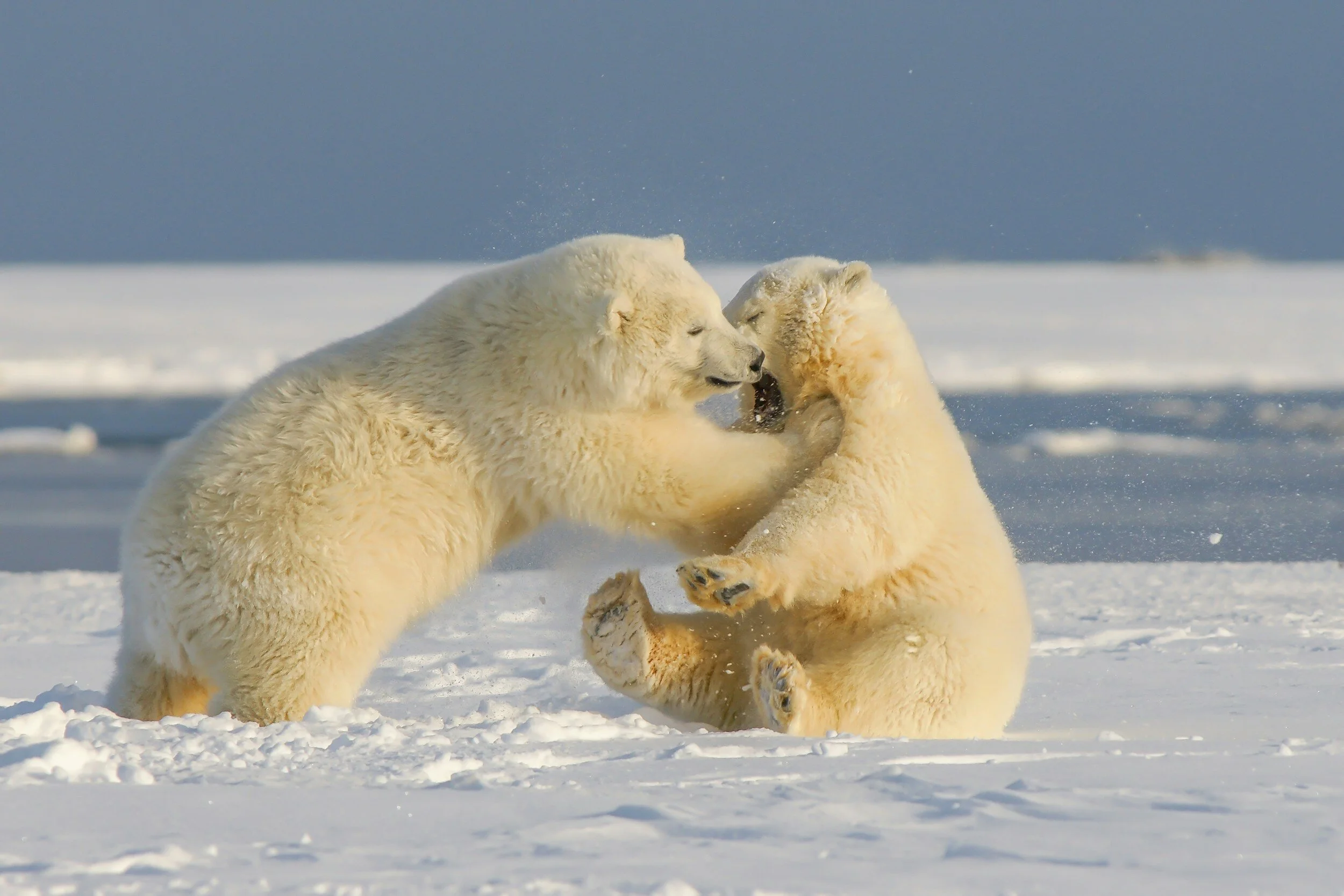
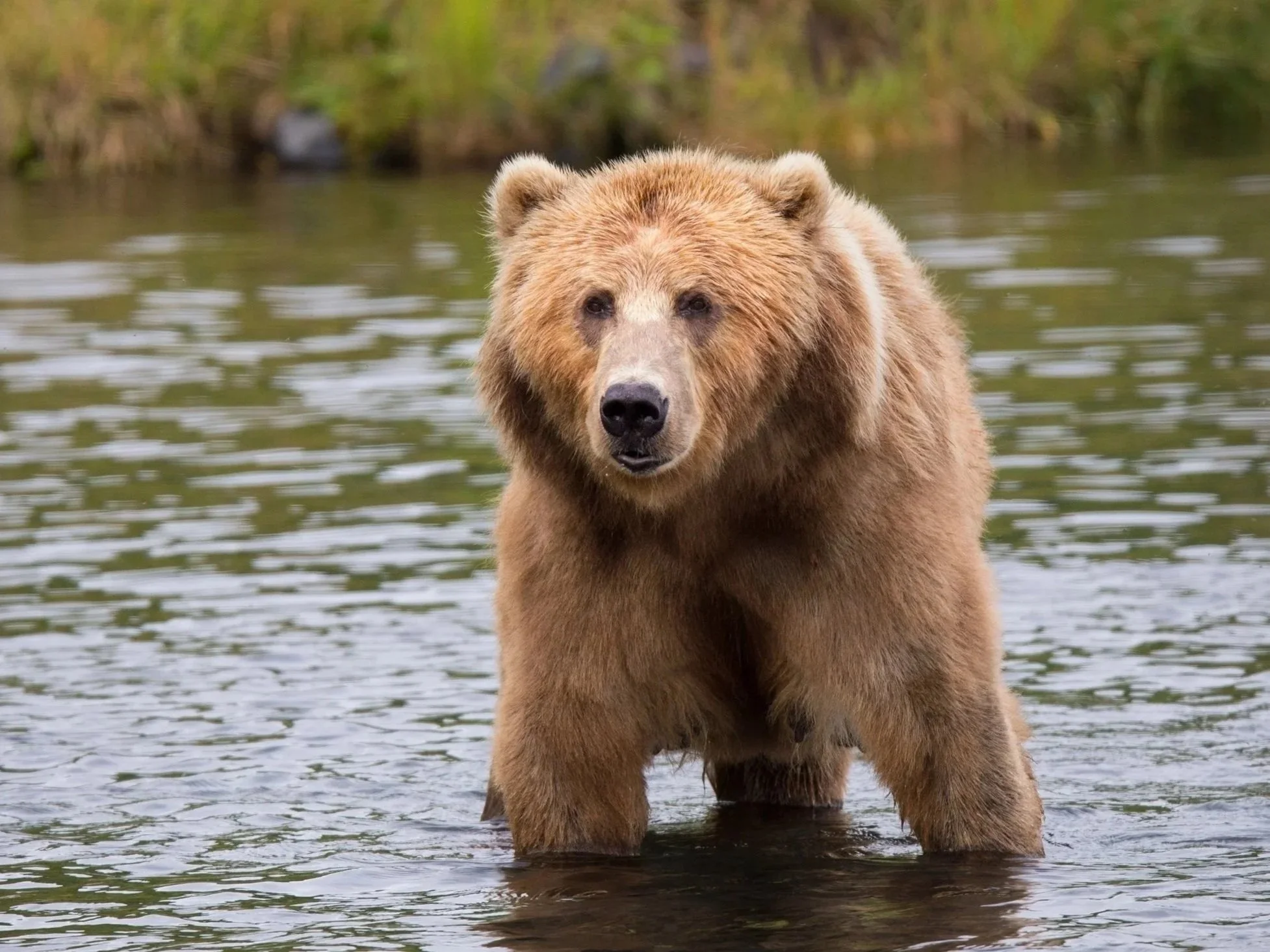
Alaska is home to three species of bears — brown bears, black bears, and polar bears. Bears play a critical role in Alaska’s ecosystems by dispersing nutrients, shaping prey populations, and maintaining healthy habitats. But many bear populations face growing threats from habitat loss, climate change, industrial development, and controversial predator control programs.
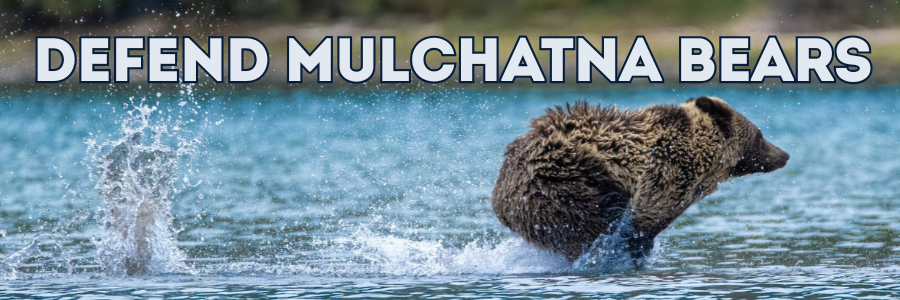
Alaska Wildlife Alliance works to protect Alaska’s bears through science-based advocacy, public education, legal action, and habitat conservation. We have been involved in efforts to defend threatened polar bears from oil and gas impacts in the Arctic and have challenged the state’s Mulchatna bear control program, which has involved the aerial killing of brown bears in Southwest Alaska. AWA has also worked to stop bear-baiting in national parks and preserves and wildlife refuges across the state, including Kenai National Wildlife Refuge.
We advocate for ethical wildlife management that ensures the sustainability of all species, including predators, and work to ensure long-term biodiversity for future generations.
Our Recent Work With Alaska’s Bears








Are You Bear Aware?
AWA, as a member of the Anchorage Bear Committee Education Subgroup, encourages everyone living, working, and recreating in Alaska to be responsible and proactive in bear country. Alaska is home to polar, black, and brown bears, and simple human actions can make a major difference in keeping both people and bears safe.
Being “bear aware” means reducing attractants, properly storing food and garbage, keeping pets and livestock secure, respecting wildlife space, and understanding how to respond during a bear encounter. Most conflicts between bears and people are preventable, and by taking a few simple precautions, you can help protect your community, your neighbors, and Alaska’s wildlife. Your responsible actions could save a bear this year.
Traveling in Bear Country
Alaska is bear country, and during the non-winter months, there is a good chance you’ll be sharing your recreation areas with them. Take precautions to keep you and Alaska’s bears safe, such as traveling with bear spray, hiking in groups, making noise, avoiding thick brush, and keeping any food away from campsites. If you are approached by a bear, never run. Stand your ground and talk to it calmly. Try to appear larger by standing close to others in your group or wave your arms slowly above your head. Back away slowly, but if the bear follows, stop, hold your ground, and prepare your bear spray.
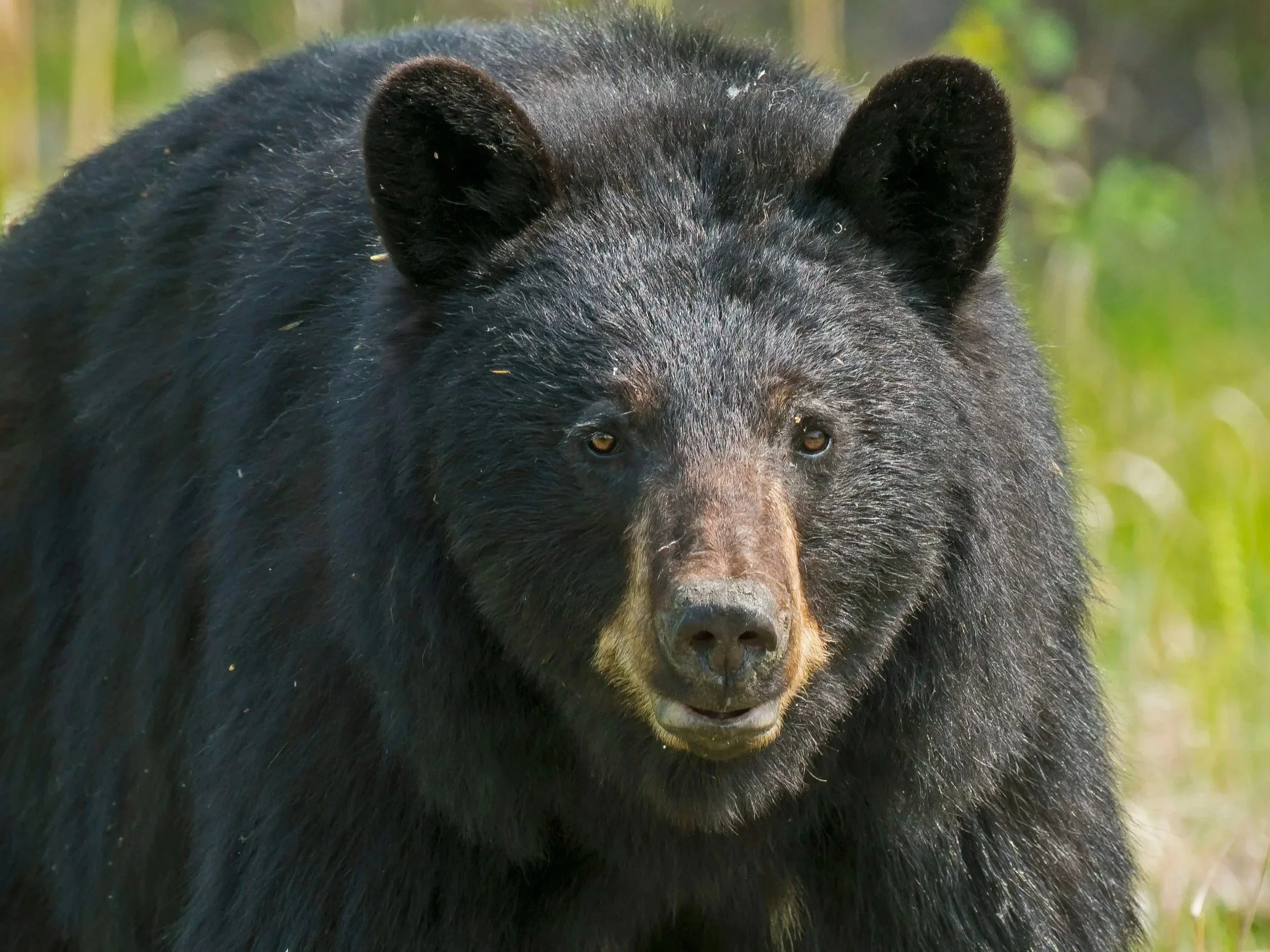
A fed bear is a dead bear
When bears gain access to human food sources like garbage, bird feeders, pet food, fish waste, or outdoor grills, they can become food-conditioned and lose their natural fear of people. These bears are more likely to return to neighborhoods, campsites, and public spaces, increasing the risk of dangerous encounters. These bears can become “problem bears” that have to be euthanized.
By securing trash, removing bird feeders, storing food properly, and using bear-resistant containers, you help keep bears wild and communities safe. Responsible actions can prevent bears from being relocated or killed.
wildlife Wednesday presentations on
navigating bear encounters
Navigating Bear Encounters with Abby McAllister, Wildlife Education and Outreach Specialist at the Alaska Department of Fish and Game.
Yearling Black Bears in Transition to Independence with Ryan Scott, Director of Wildlife Conservation at the Alaska Department of Fish and Game.
