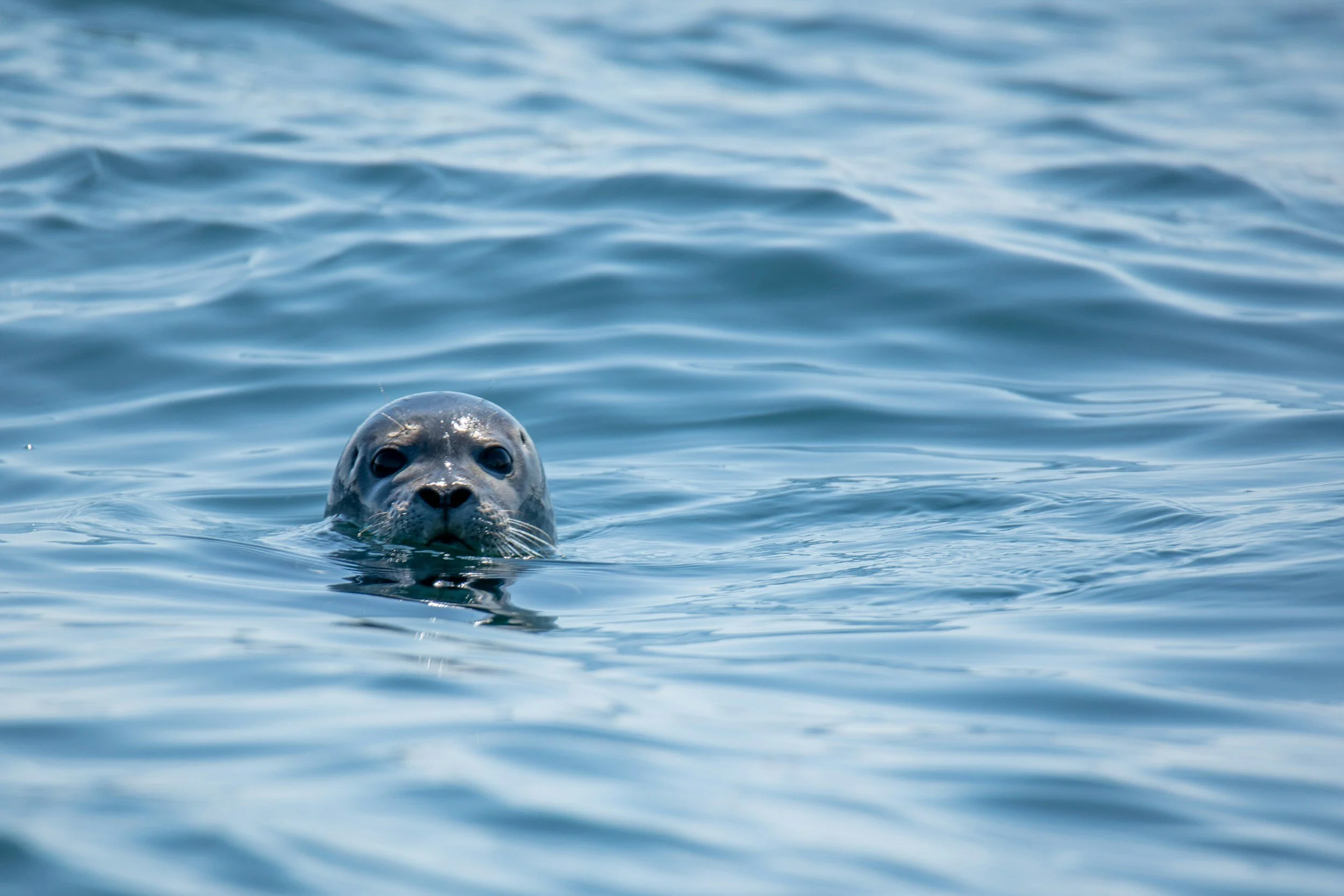
Photo credit: Katrina Liebich, USFWS.
Board of Game Special Meeting Results and Mulchatna Update
Out-of-cycle proposals on predator control, archery hunt technology, and the Ambler Road were taken up at the meeting, as well as an ADFG update on the Mulchatna caribou herd.
The Alaska Board of Game (BOG) is responsible for making decisions on wildlife management in Alaska, including population and harvest objectives and hunting regulations, which are then acted upon by the Alaska Department of Fish and Game (ADF&G). Proposals are submitted by the public, ADF&G, and Advisory Committees, and then deliberated upon by the Board, by region on a rotating basis with a three-year cycle.
In July, the ADF&G Commissioner convened a Special Board of Game Meeting outside of its regular schedule to consider four proposals and give an update on ADF&G’s Mulchatna Caribou Herd Intensive Management, the program Mulchatna Bear Control falls under.
Alaska Wildlife Alliance attended the Special Meeting in Fairbanks as a voice for Alaska’s wildlife, giving testimony, mobilizing public comment on proposals, and watching deliberations.
What is the Board of Game?
The Board of Game consists of seven members, each serving three years. There are no term limits. Members are appointed by the Governor and confirmed by the legislature.
The Board makes decisions regarding game management in Alaska, including population and harvest objectives and hunting regulations. These decisions include when to open and close seasons, areas for hunting and trapping, bag limits, methods and means, setting “policy and direction” for state wildlife management, allocative decisions, and deciding population objectives across the state.
The Alaska Department of Fish and Game (ADF&G) is then responsible for enacting management based on those decisions.




Mulchatna Update
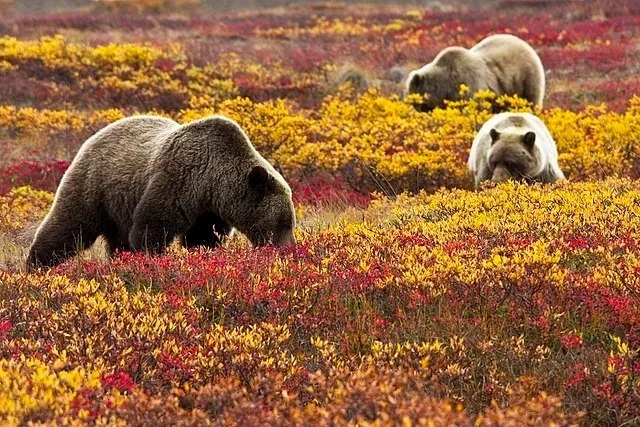
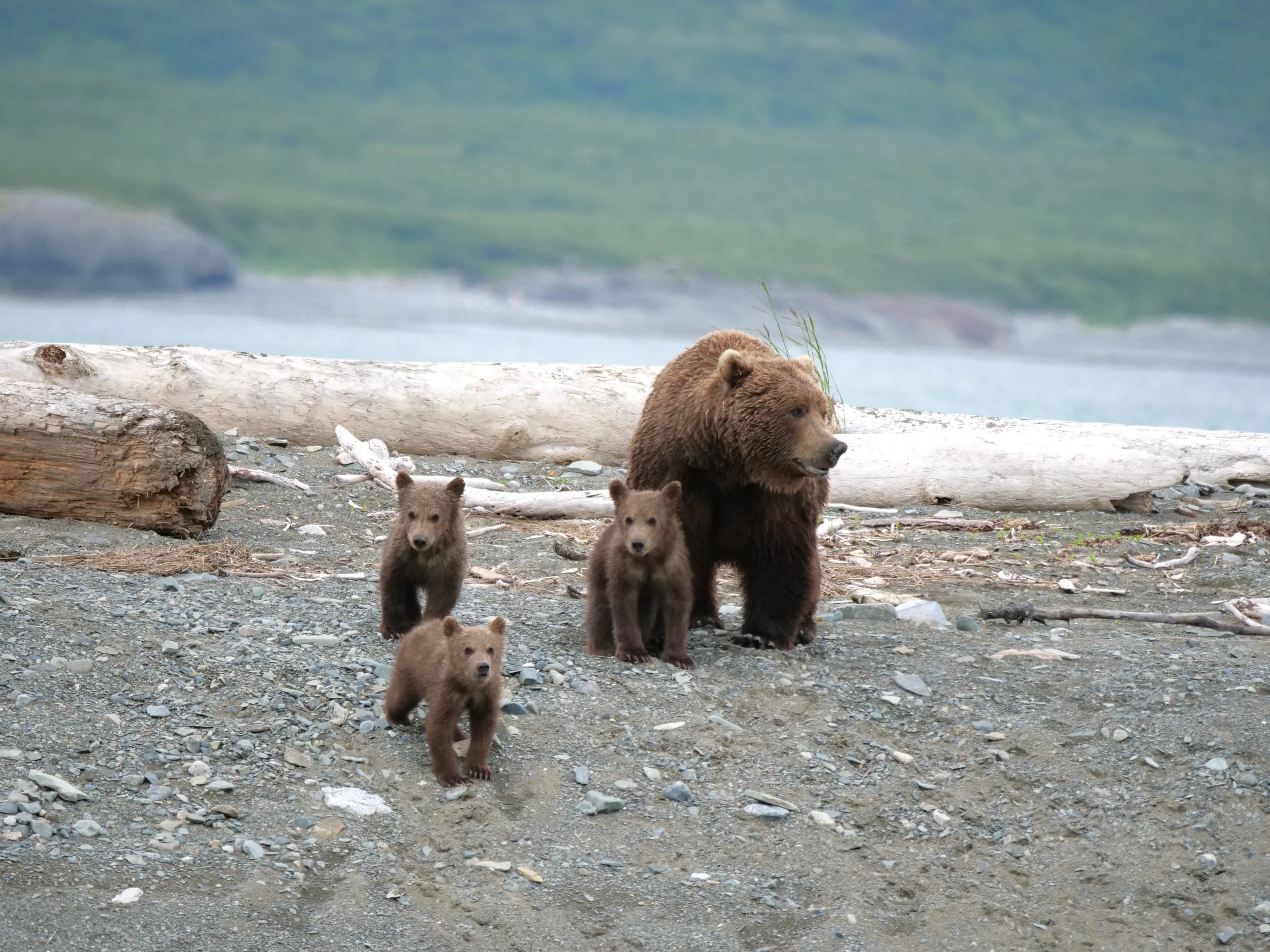
In 2022, the State of Alaska created the Mulchatna Bear Control Program in southwest Alaska. The regulation authorized predator control in a 40,000-square-mile area just 50 miles from Katmai National Park, in an attempt to boost Mulchatna Caribou Herd numbers. Since the adoption of the program, ADF&G has aerially gunned more than 250 bears from helicopters and planes across roughly 500 square miles in the northeast section of the Intensive Management area, despite opposition from dozens of biologists and the public, and two Superior Court judges ruling that their actions were unlawful.
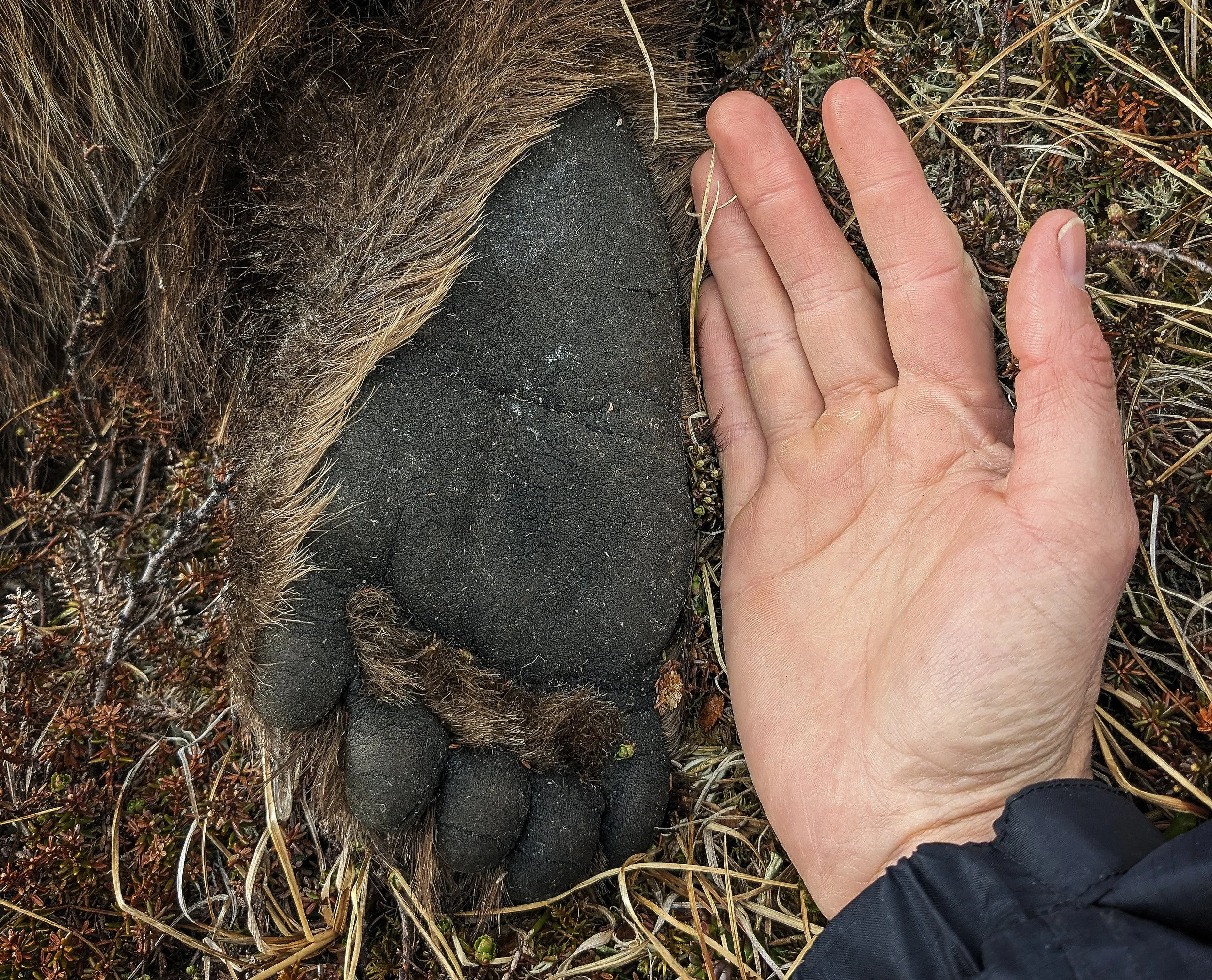
AWA has adamantly opposed the bear control program from the outset, winning a lawsuit against the State in 2025 and filing a second in 2026. This spring, we flew to the bear control area to see what the program looked like from the ground. We found a dead adult bear and cub—the hides and meat of both had not been salvaged and lay next to the casings and plastic debris the ADF&G gunners left behind. The bears were just a few hundred feet from the Togiak National Wildlife Refuge where they would have been safe from gunning.
The Mulchatna Caribou Herd Intensive Management update during the Special Meeting focused on predator control efforts, calf survival up to 5 months, and population trends within the herd. ADF&G’s presentation also covered the Wolf Removal Area and the distinction between the Intensive Management (IM) area and the Predator Control (PC) area. Bear control was conducted across approximately 530 square miles, with wolf control occurring April 25 through June 5.
The 2027 Intensive Management plans include another wolf removal effort from May through June, with an Agenda Change Request expected to authorize that program out of cycle in 2027. ADF&G plans to collar at least 50 neonate calves through their first month of life and potentially through their first year, and has potential plans for a future bear study in the bear control area.
Special Meeting Proposals
Four proposals were considered at the Special Meeting. Alaska Wildlife Alliance strongly opposed the Board of Game taking action on any of the proposals during the Special Meeting. Though each proposal addressed important wildlife management issues, none met the standard for out-of-cycle action at a Special Meeting. The Board of Game process exists to ensure proposals receive thorough scientific review, Advisory Committee input, and meaningful public participation; pushing non-urgent proposals through out of cycle undermines transparency and public trust in wildlife management decisions. Our concerns were echoed at the Special Meeting in the public testimony of numerous user groups, including hunters, subsistence users, and wildlife organizations
Information about the proposals can be found here.
Brown Bear Predator Control for Musk Ox Recovery
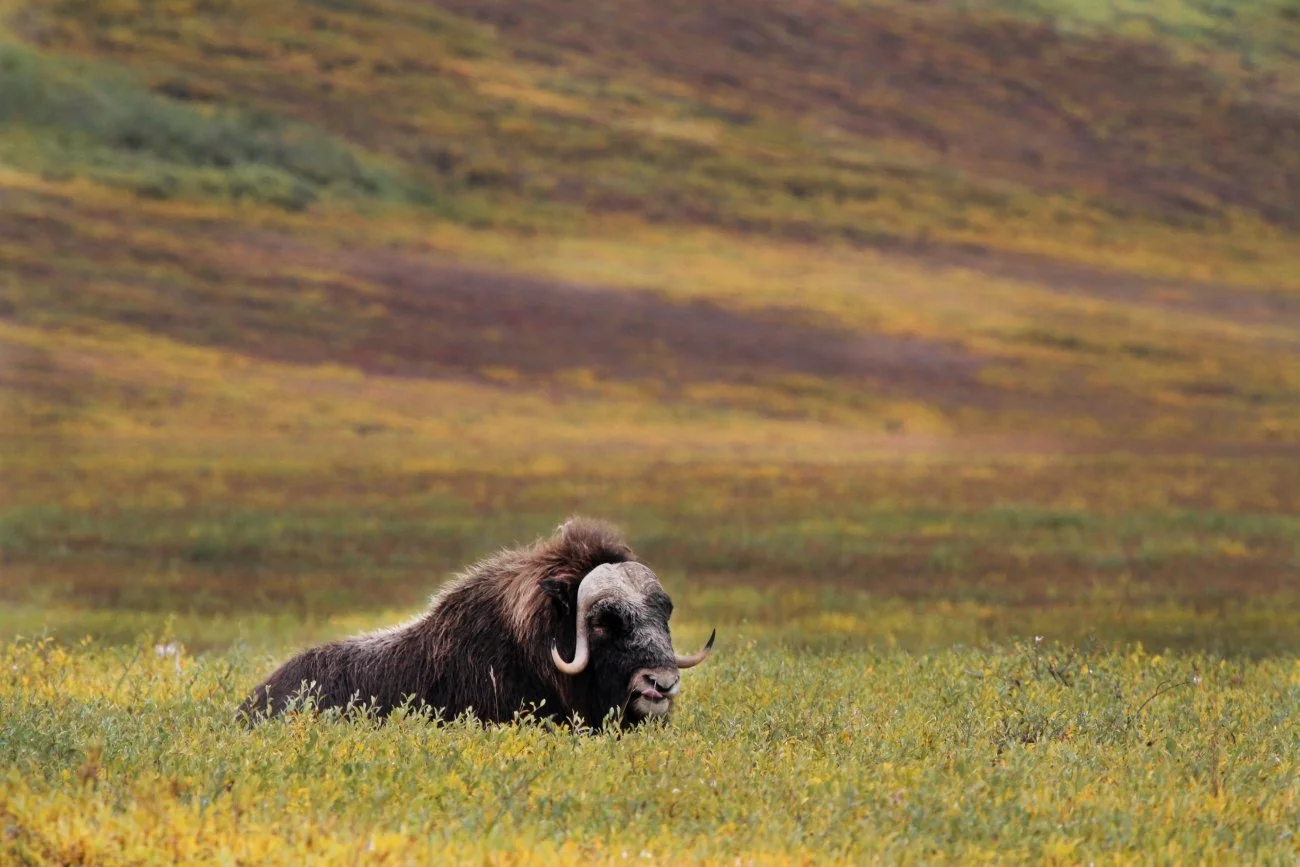
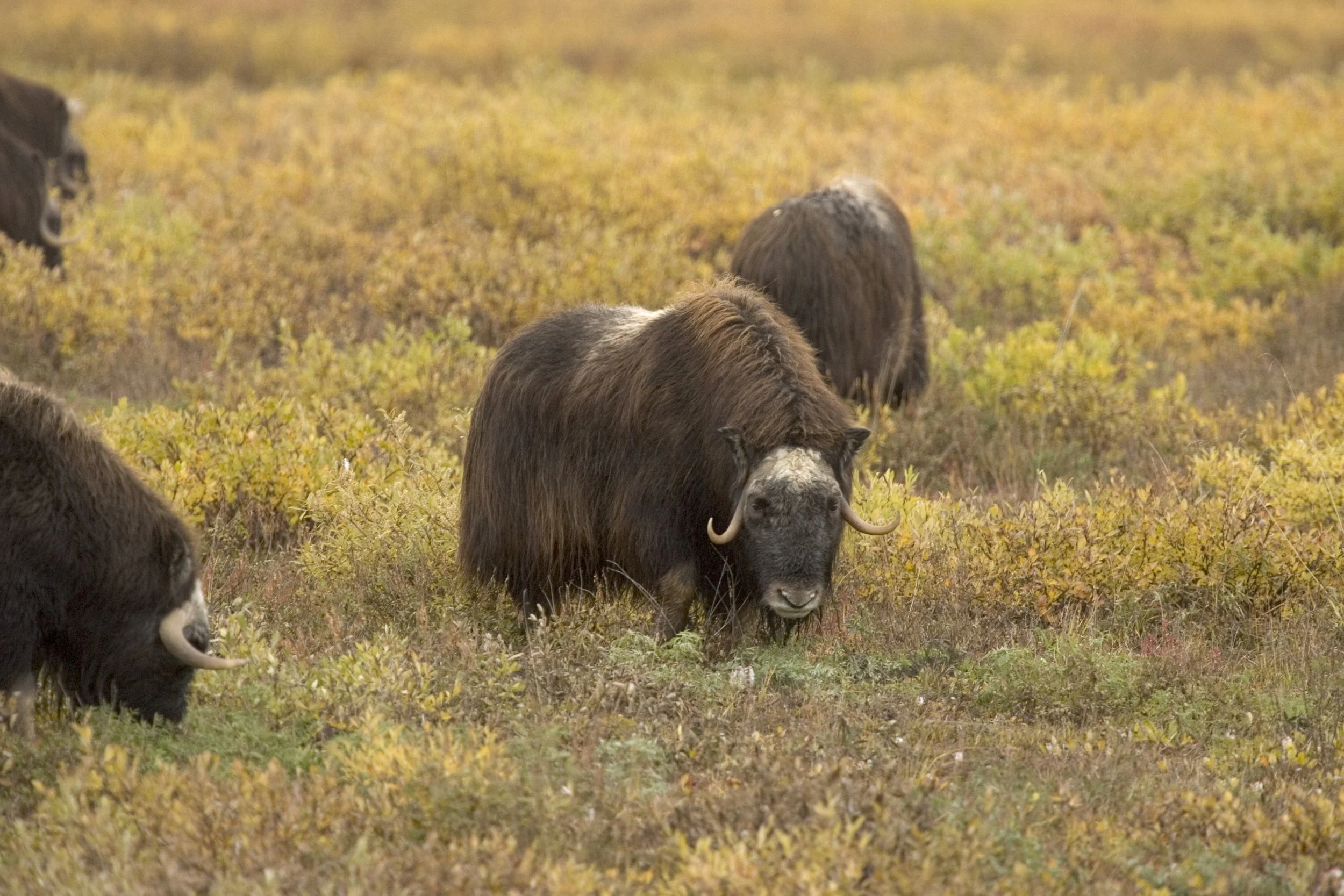
ADF&G proposed reauthorizing a brown bear predator control program in northern Alaska, along the Arctic Coastal Plain from the Dalton Highway to the Canadian border, to help stabilize a declining musk oxen population. They argued that a small number of brown bears are responsible for much of the musk oxen mortality and that reinstating selective predator control could help restore the population and future hunting opportunities.
AWA opposed taking action on the proposal at the Special Meeting, arguing that it did not meet the criteria for an out-of-cycle emergency. The proposal is already scheduled to be considered during the regular Board of Game cycle later this year, and we are concerned that approving a predator control program outside the normal public review process would limit transparency and public participation.
The proposal was amended, per ADF&G’s recommendation, to reduce the number of bears killed in the program to 10 per year and then passed unanimously by the Board.
Allow Optical Aids in Archery-Only Hunts
Two proposals sought to expand the use of optical aids in archery-only big game hunts by allowing hunters to use non-electronic devices such as scopes, verifiers, and clarifiers, as well as electronic scopes. The proposals were submitted on behalf of the Governor with the proposed justification of improving accessibility for hunters with reduced eyesight.
We did not take a position on the technology itself but opposed considering these statewide changes during a Special Meeting. The proposals did not address an urgent issue and should have instead been considered during the next regularly scheduled statewide Board of Game meeting, where they can receive full Advisory Committee review and public input.
Proposal 2, which sought to allow verifiers and clarifiers, was amended to exclude prisms and passed by the Board. Proposal 3, which sought to allow electronic scopes, failed unanimously.
Ambler Road Hunting and Trapping Corridor Closure
ADF&G, at the request of the Governor, proposed closing a one-mile corridor on each side of the proposed 211-mile-long Ambler Road to hunting and trapping to reduce hunting pressure along the future transportation route while still allowing people to cross the corridor to access surrounding public lands.
We believe that the closure would be premature as the road has not even begun construction, key land agreements and legal challenges remain unresolved, and the exact road alignment has not been finalized. Furthermore, none of the communities or Advisory Committees along the proposed road submitted comments, presumably because the meeting was unexpected and in the middle of key subsistence periods, with only a 30-day notice. Testimony was limited to only those who could do so in person in Fairbanks in the middle of the work week. While we have supported similar closures around wildlife crossings in the past, we see no reason that this particular proposed closure must be deliberated on out of cycle, when a road is far from being approved, and a regularly scheduled meeting for the area is just months away.
The Board voted to defer the meeting until the regularly scheduled Western Arctic Board of Game Meeting in Kotzebue in January 2027.
What’s Next
AWA will be attending both regularly scheduled Board of Game Meetings in 2027, including the Western Arctic/Western Region Board of Game Meeting in Kotzebue in January and the Interior/Eastern Arctic Region Board of Game Meeting in Fairbanks in March.
We expect proposals to be released in September; keep an eye out for public comment Action Alerts to learn which proposals we’re watching and how to submit public comments in support of Alaska’s wildlife. In the meantime, you can support our advocacy efforts at the Board of Game by donating to our Wildlife Defense Fund. Thank you!
