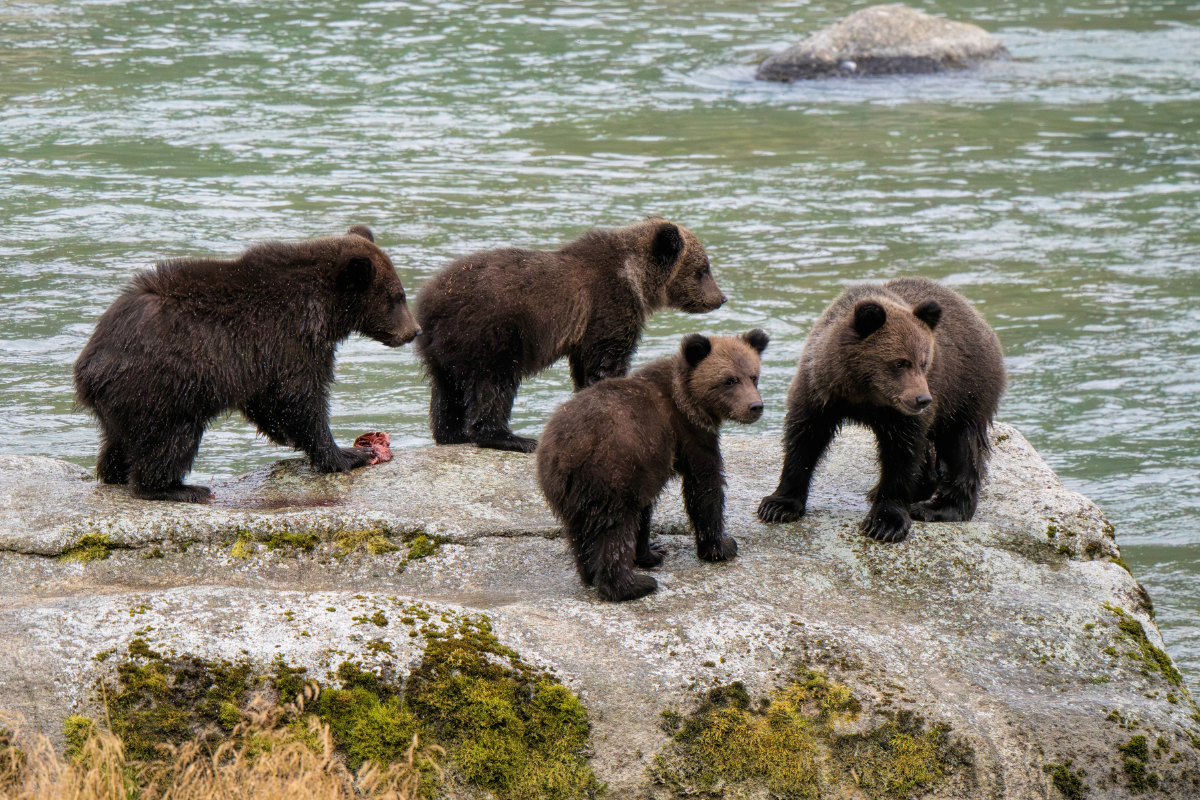
Photo credit: Janice Gorle.
The Alaska Board of Game
Understanding how hunting and trapping regulations are created.
The Alaska Board of Game is the state regulatory body responsible for establishing policies and regulations related to the management of Alaska’s wildlife resources. The Board is made up of seven members who are appointed by the Governor of Alaska and confirmed by the Alaska State Legislature. Each member serves a three-year term, and there are currently no term limits for service on the Board.
The Board plays a central role in shaping wildlife management across Alaska. Its responsibilities include reviewing scientific data, public testimony, recommendations from the Alaska Department of Fish and Game (ADFG), and input from local communities, hunters, trappers, and other stakeholders before making regulatory decisions.
Key responsibilities of the Board of Game include:
Establishing hunting and trapping regulations throughout Alaska
Setting wildlife population and harvest objectives
Determining season dates and closures
Defining hunting and trapping areas and permit conditions
Setting bag limits and harvest restrictions
Regulating methods and means of hunting and trapping
Making allocative decisions between different user groups
Providing overall policy direction for state wildlife management programs
The Board’s decisions directly influence how wildlife resources are managed and conserved for both current and future generations. Once regulations and policies are adopted by the Board, the Alaska Department of Fish and Game is responsible for implementing, enforcing, and managing wildlife populations in accordance with those decisions.
How the Board of Game Process Works
The Board of Game process allows the public, state biologists, and local communities to participate in wildlife management decisions across the state.
The process begins when individuals, organizations, advisory committees, or the Alaska Department of Fish and Game (ADFG) submit proposals to change hunting or trapping regulations. These proposals may involve season dates, bag limits, hunting methods, predator management, or wildlife population goals. Anyone can submit a proposal, and proposals are taken up for different regions of Alaska in a three-year cycle.
Once submitted, proposals are reviewed by ADFG biologists and published for public review. Local Fish and Game Advisory Committees and members of the public can then submit public comments on the proposals prior to the Board of Game meeting.
During Board of Game meetings, Board members review biological data, hear public comments and testimony, and discuss each proposal before voting to adopt, reject, or modify regulations.
After decisions are made, ADFG is responsible for implementing and managing those regulations in the field. Wildlife populations and harvest data are monitored, and new proposals can be submitted during future regulatory cycles as conditions change.
AWA’S Role in the Board of Game Process
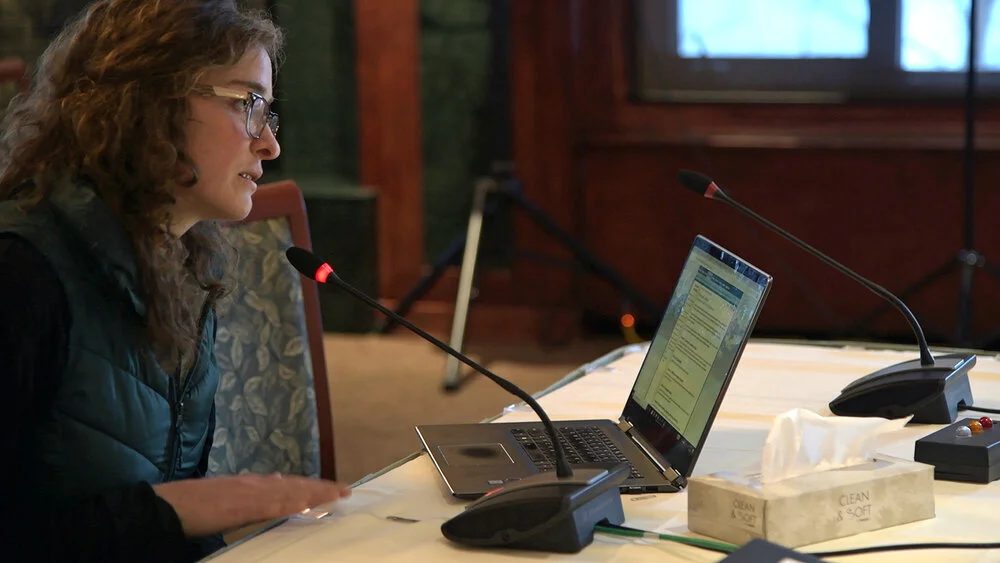
AWA participates in the Alaska Board of Game process each year by advocating for science-based wildlife management, conservation, and responsible stewardship of Alaska’s wildlife populations. We review proposals before the Board of Game meetings, submit public comments, and provide testimony during Board meetings. We work to educate the public about proposed regulations, particularly those involving predator management policies, habitat concerns, and conservation issues that may impact Alaska’s ecosystems and wildlife populations.
AWA also encourages public participation in the regulatory process by helping people understand how Board of Game decisions are made and how they can engage through testimony, comments, and proposal submissions. We work to promote transparent decision-making in which all user groups and voices are heard.
Our Stance on Predator Control and Intensive Management
We advocate for wildlife management actions aimed at sustaining healthy, functioning ecosystems. Functioning ecosystems are found to be more productive than non-functioning ecosystems, are more likely to lead to harvestable surpluses of game species, and better allow for opportunities for various wildlife users (such as ethical hunting and wildlife viewing).
In the last several years, the State of Alaska, via the Board of Game, has allowed an increasing number of liberalized and unethical methods of hunting and trapping wildlife, extended seasons to increase opportunities to harvest predator species, and implemented new predator control programs such as the Mulchatna Bear Control Program. Management plans involving predator reduction efforts with the intent or potential to manipulate natural ecosystems or processes (including natural predator/prey dynamics, distributions, densities, age-class distributions, populations, genetics, or behavior of a species) for the purposes of increasing the numbers of harvested species are inconsistent with maintaining functional, healthy ecosystems. Read our full Position Paper here.
How You Can Get Involved
Bears can’t participate in Board of Game meetings, but you can! Public participation is vital to the Board of Game process, and allows you to speak up for Alaska’s wildlife and help shape wildlife management decisions.
You can get involved by:
Reviewing Board of Game proposals and meeting materials online
Submitting written public comments
Testifying during Board meetings
Participating in local Fish and Game Advisory Committees
Contacting Board members and elected officials
Supporting organizations like AWA, which are involved in wildlife conservation and advocacy
Board of Game advocacy typically happens in the fall and winter. To stay up to date on what’s happening and how you can take action, make sure to sign up for our newsletter. You can also donate to our Wildlife Defense Fund, which supports our Board of Game advocacy.
Recent Board of Game News