How the New Endangered Species Act Rule Threatens Alaska's Wildlife
Redefining "harm" under the ESA and what it means for Alaska’s wildlife.
In July 2026, the federal government published a highly controversial rule that fundamentally narrows how the Endangered Species Act (ESA) protects wildlife. The rule specifically rescinds the longstanding regulatory definition of what it means to "harm" a protected animal.
This was part of a broader package of regulatory rollbacks. It’s now also easier to exclude areas from "critical habitat" designations for economic reasons, and automatic protections for species listed as "threatened"—rather than "endangered"—have been removed.
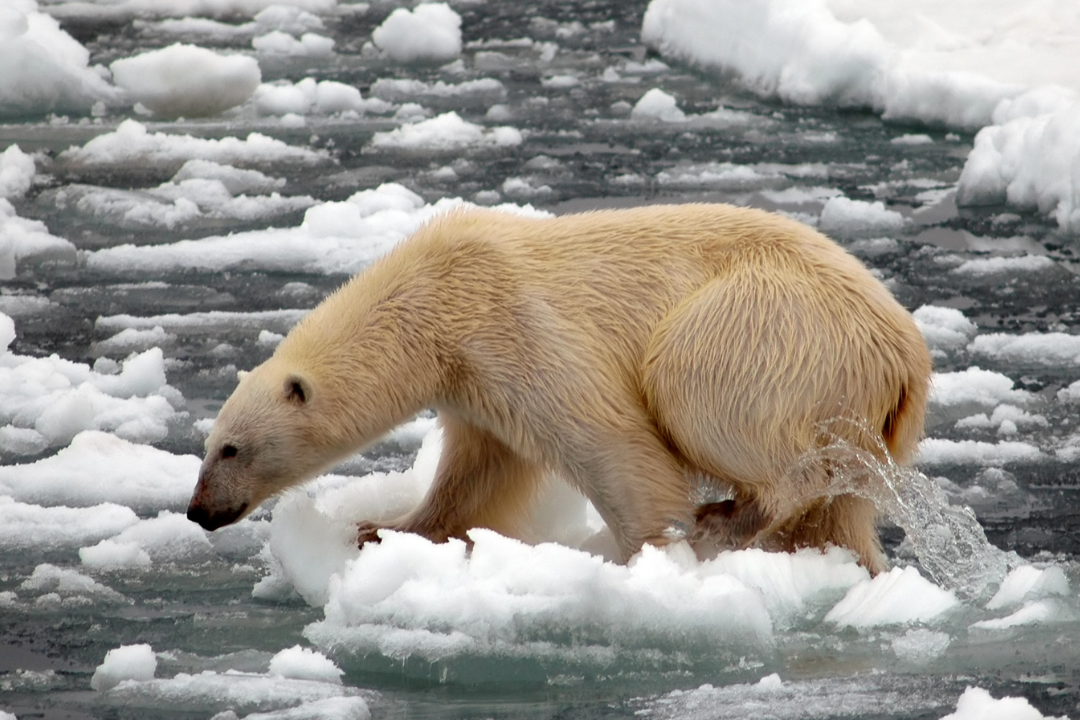
AWA, in partnership with communities across the state, has successfully supported species recovery through the protections in the ESA currently being stripped away by this rule. Our victory in litigation to protect threatened Beaufort Sea polar bears hinged on ESA protections that limited harassment and habitat loss in the Arctic. Our current work to recover critically endangered Cook Inlet beluga whales relies on habitat protections and limitations on legal harm— without the protections of the original ESA, Cook Inlet beluga whale recovery will slow or become impossible altogether.
The Core Change: Direct Injury vs. Habitat Loss
To understand the impact, you have to look at how the ESA prohibits the "take" (killing, capturing, or harming) of an endangered species.
The historical definition (Indirect Harm): For decades, federal regulations defined "harm" to include not just direct physical injury, but also indirect injury caused by habitat loss. It included "significant habitat modification or degradation where it actually kills or injures wildlife by significantly impairing essential behavioral patterns, including breeding, feeding, or sheltering". This meant that destroying a critical feeding ground could be prosecuted as "harm," even if no one physically touched the animal. This was a holistic definition that supported the recovery of our nation’s most vulnerable species.
The current definition (Direct Harm, as of July 2026): In July, the U.S. Fish and Wildlife Service and the National Marine Fisheries Service published a new rule rescinding that historical definition. The new interpretation requires an "affirmative act directed immediately and intentionally against a particular animal, not an act or omission that indirectly and accidentally injures a population of animals". Under this standard, habitat modification or degradation, by itself, no longer qualifies as "harm" or "take" unless it directly and provably results in a protected animal’s injury or death.



Why This Uniquely Threatens Alaska's Wildlife
Alaska is ground zero for the tension between massive, intact ecosystems and resource extraction (oil drilling, mining, and timber). This rule change is uniquely devastating for the state for three main reasons:
Habitat and harassment are often the primary threats to species recovery: The greatest threat to species like polar bears, Pacific walruses, and Cook Inlet Beluga whales isn't hunting—it's the loss of sea ice, denning areas, and clean, quiet foraging areas. By removing indirect habitat degradation from the definition of "harm," industrial projects are fast-tracked to clear land, build roads, or drill, provided they aren't actively running over or shooting an animal.
The "burden of proof" loophole: It is incredibly difficult to prove that destroying an animal’s habitat directly caused the death of a protected animal. Because the new rule requires proof of direct, physical injury, companies can legally degrade large swaths of habitat without facing ESA penalties or needing incidental take permits.
Economic priorities over critical habitat: Alongside the "harm" rule, the July 2026 changes revised how critical habitat is designated, putting a much heavier emphasis on economic impacts. Development areas could easily be stripped of critical habitat protections simply because the economic benefit of drilling outweighs the perceived conservation value.
AWA is still reviewing the rule and building a strategy to support Alaska’s wildlife in this difficult time. The rule is effective September 14, 2026.
You can also contact your representatives to voice your support for the Endangered Species Act. Contact information for Alaskan representatives is on each member’s page under Senate and House.
